By Tali Jaffe-Minor & Nick Remsen
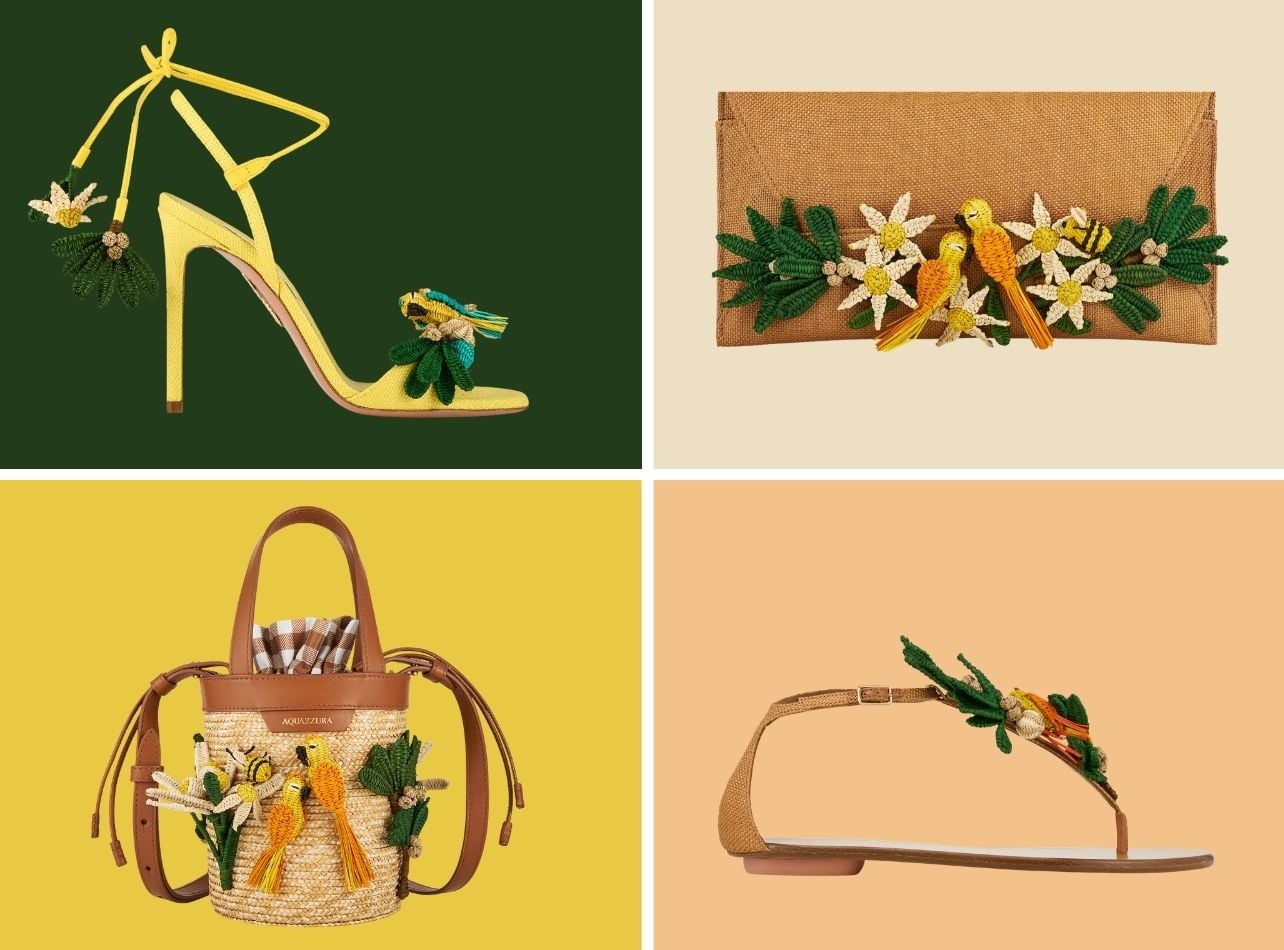
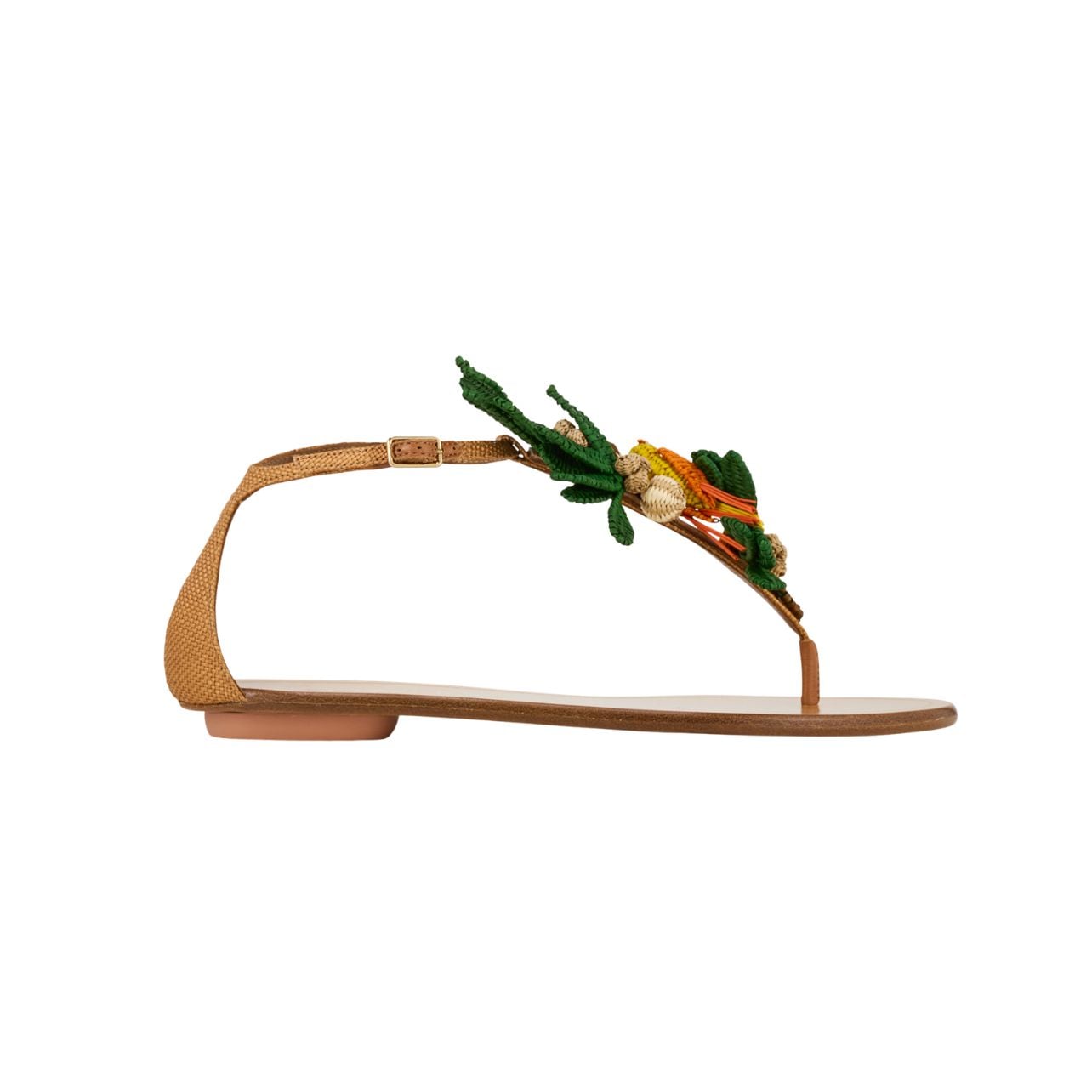
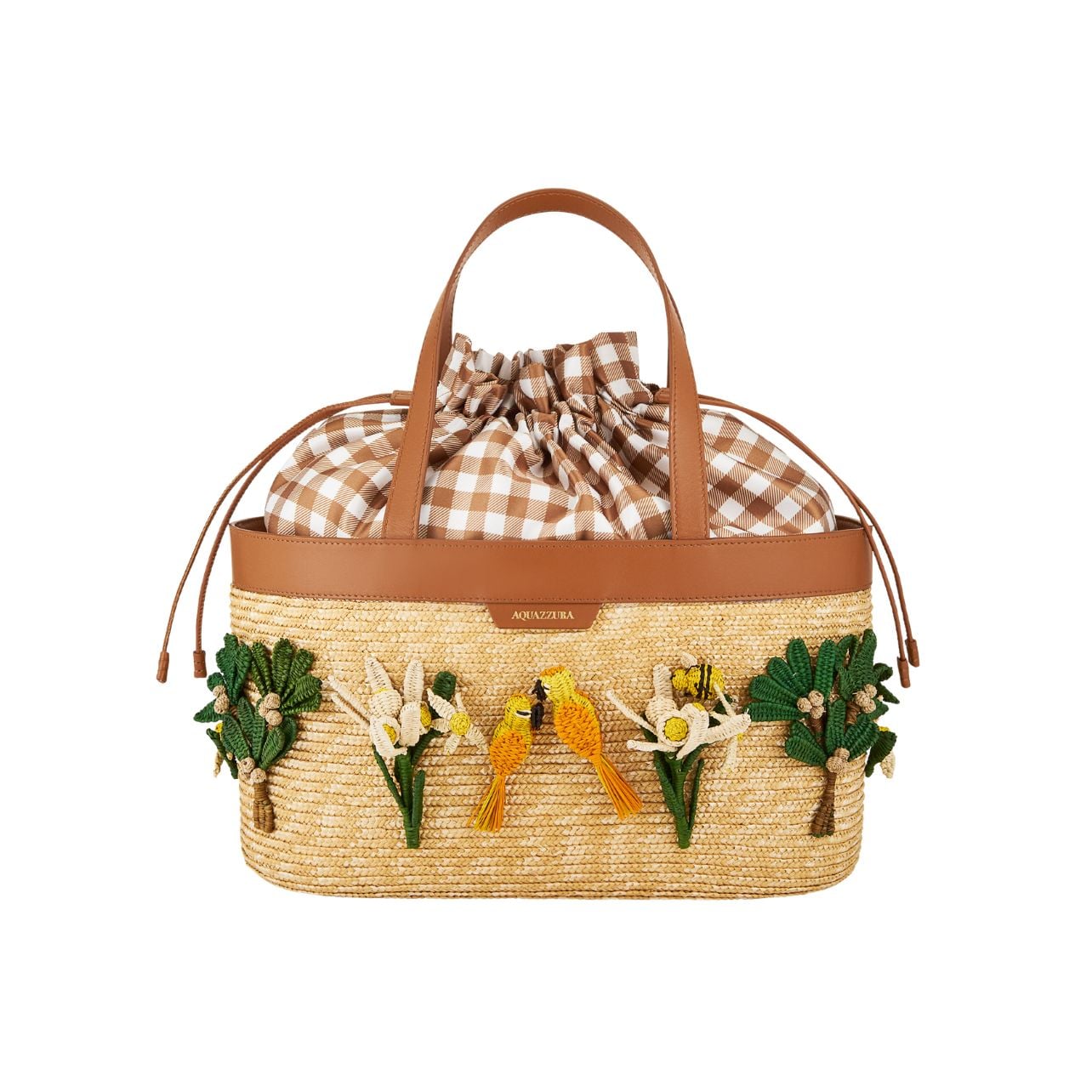
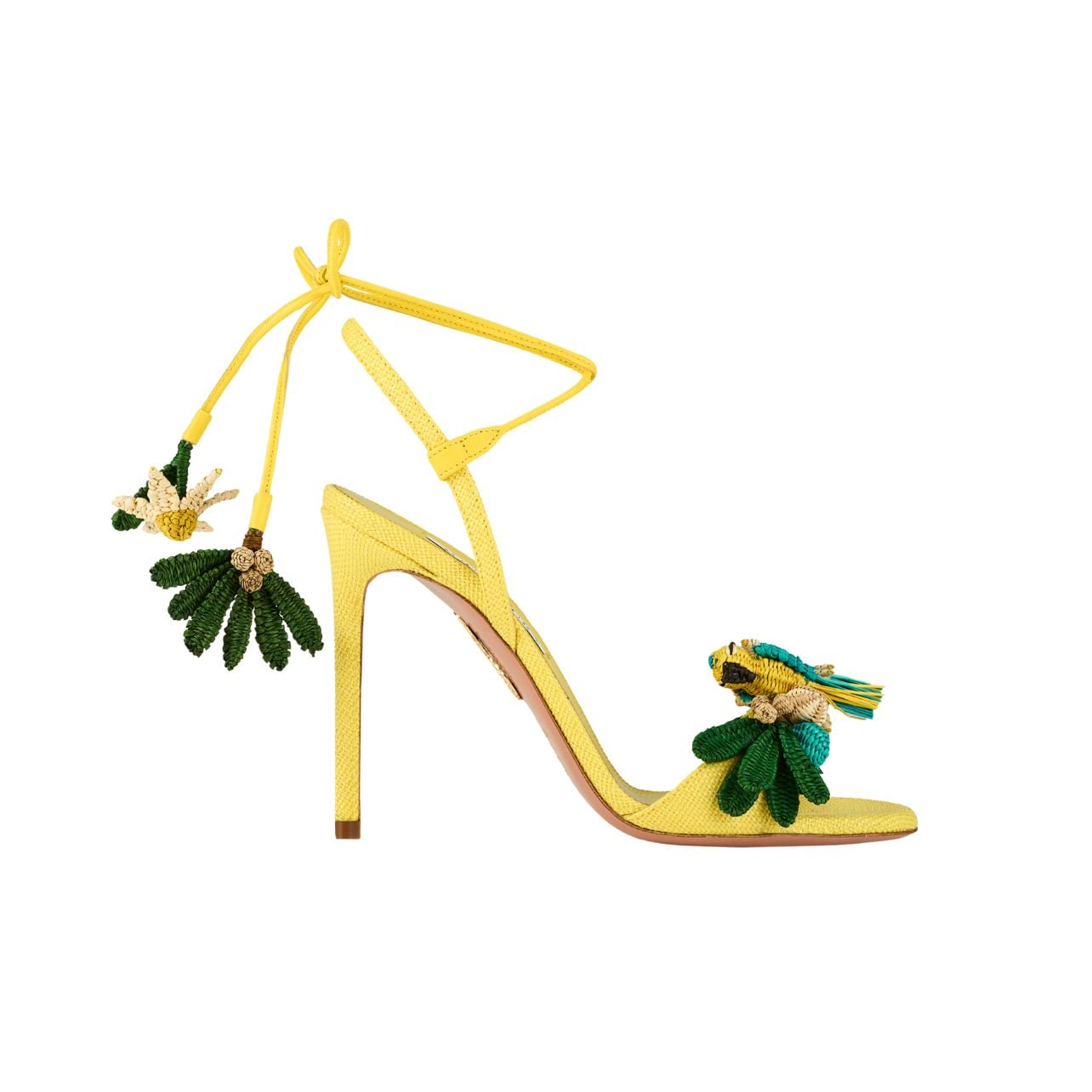
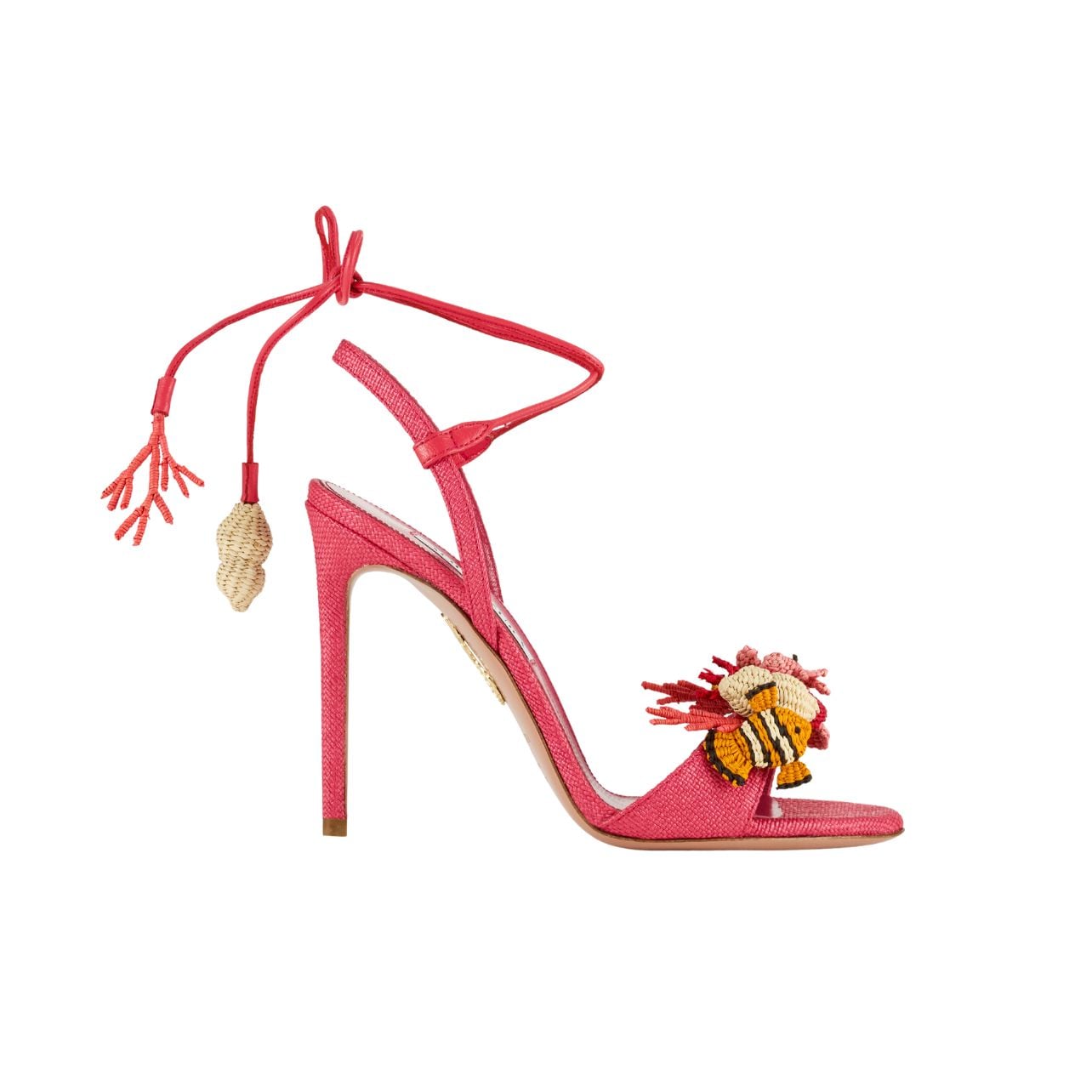
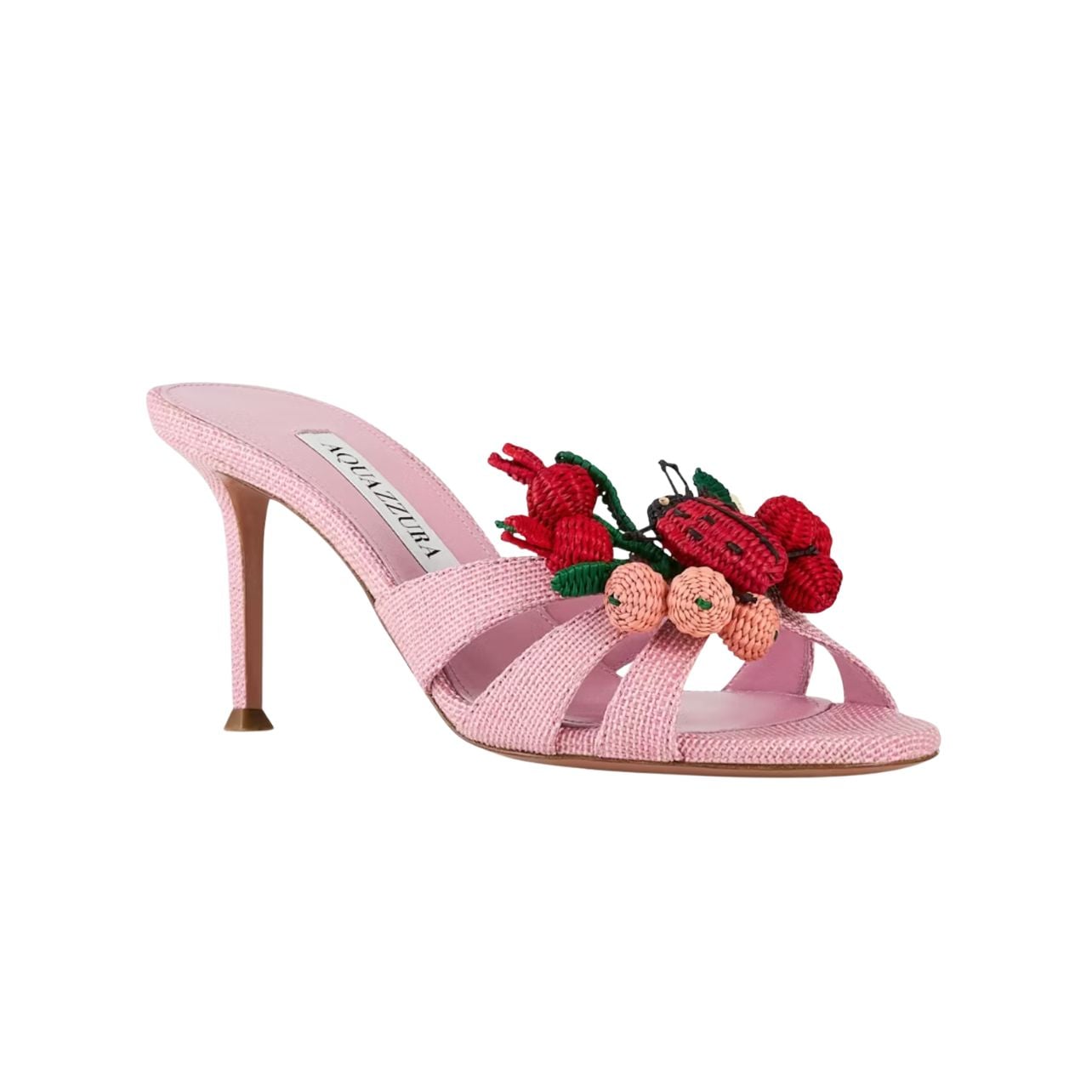
Aquazzura’s new High Summer collection is a particularly personal one for Founder and Creative Director Edgardo Osorio. “Colombia is part of who I am, so I have always wanted Aquazzura to celebrate that connection in a meaningful way,” says Osorio. “When I started exploring raffia work created by artisans in Colombia, I was drawn not only to the beauty of the material, but also to the extraordinary artistry and heritage behind it.”
Here, we take a look at the making of the collection and tap the designer for his tip sheet on what to do, eat, shop, and see in his favorite Colombian city.
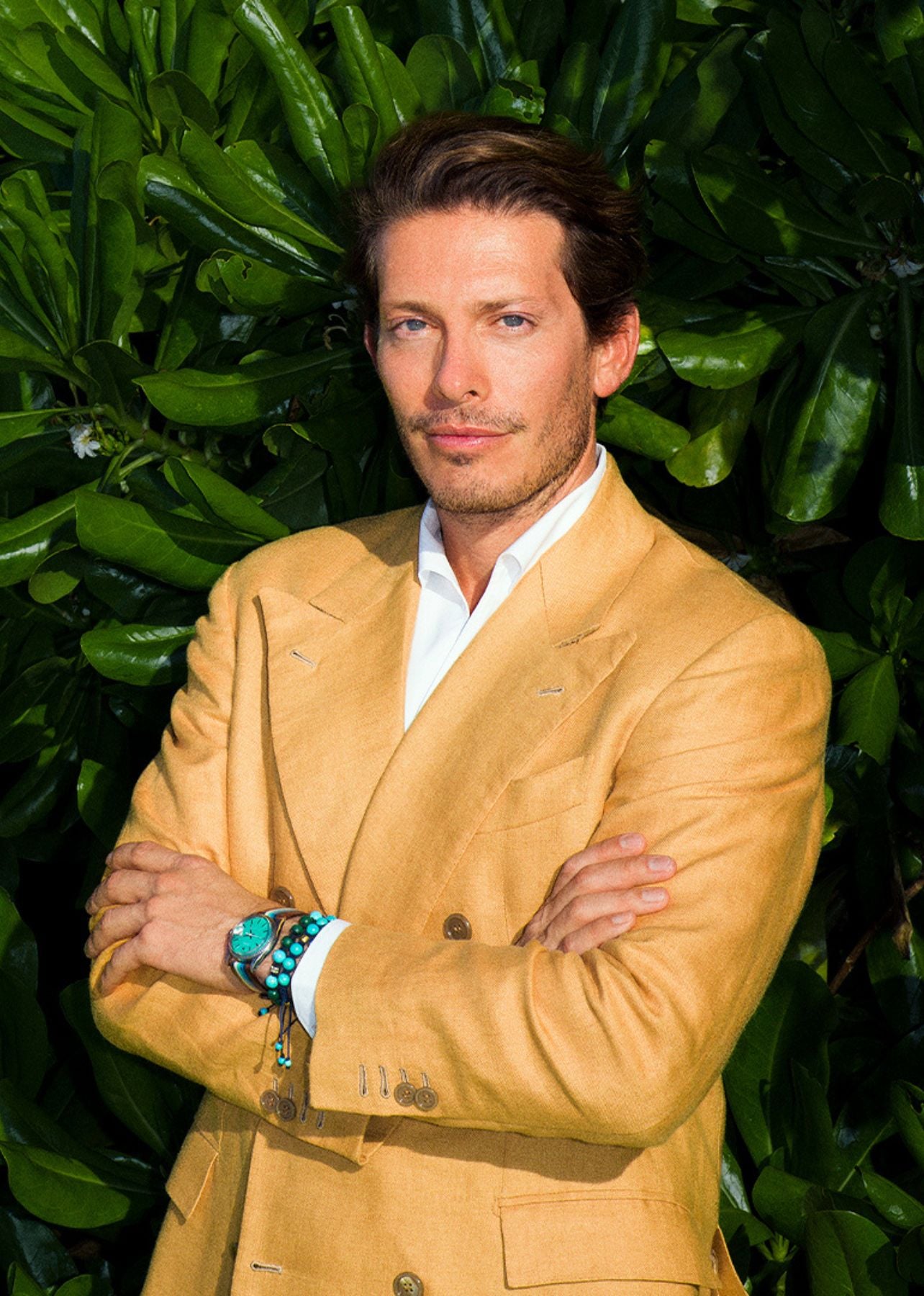
Creative Director Edgardo Osorio; photo by Dylan Don.
Raffia has become synonymous with an idea of “summertime chic,” but for you it carries a deeper significance. Can you tell us about sourcing raffia from Colombia?
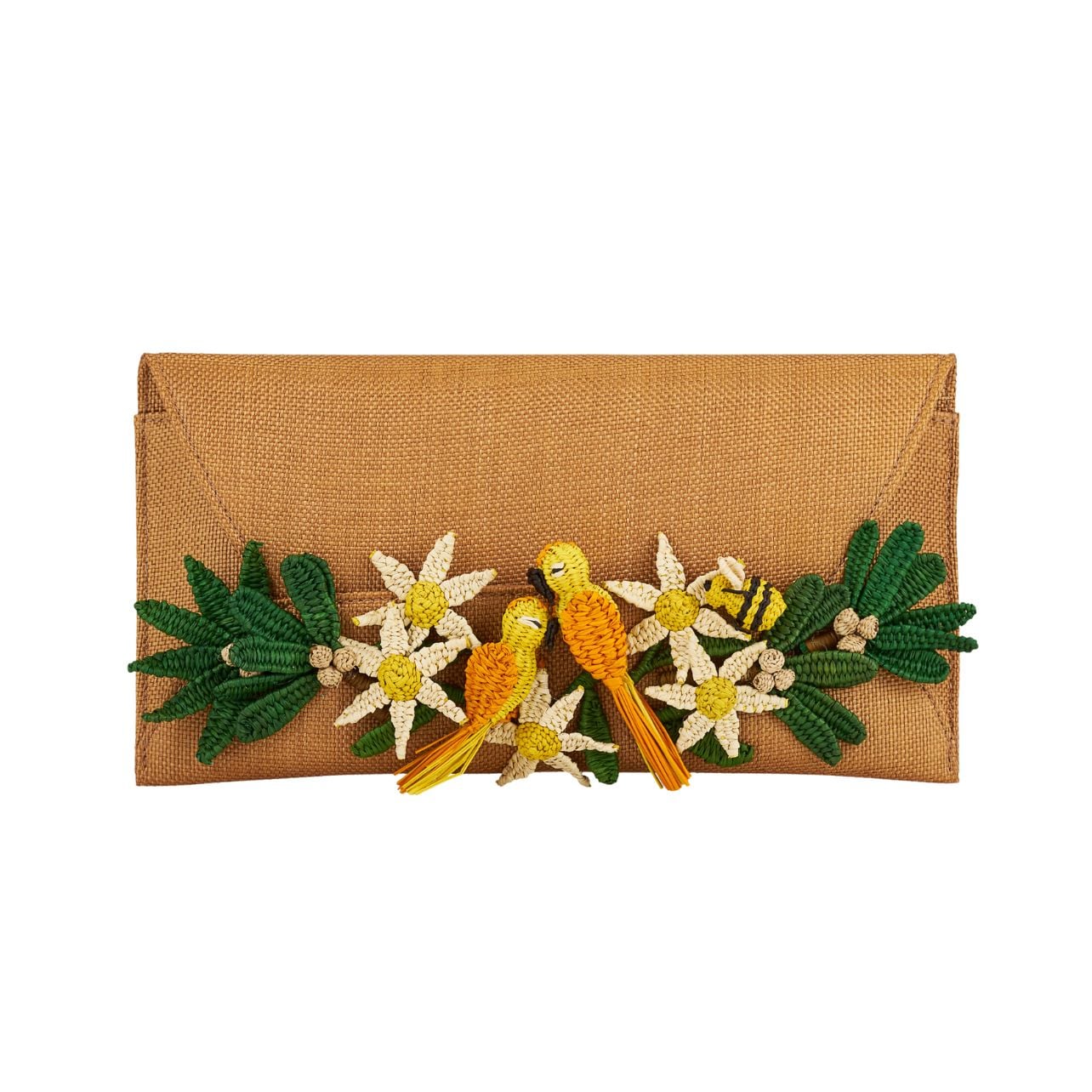
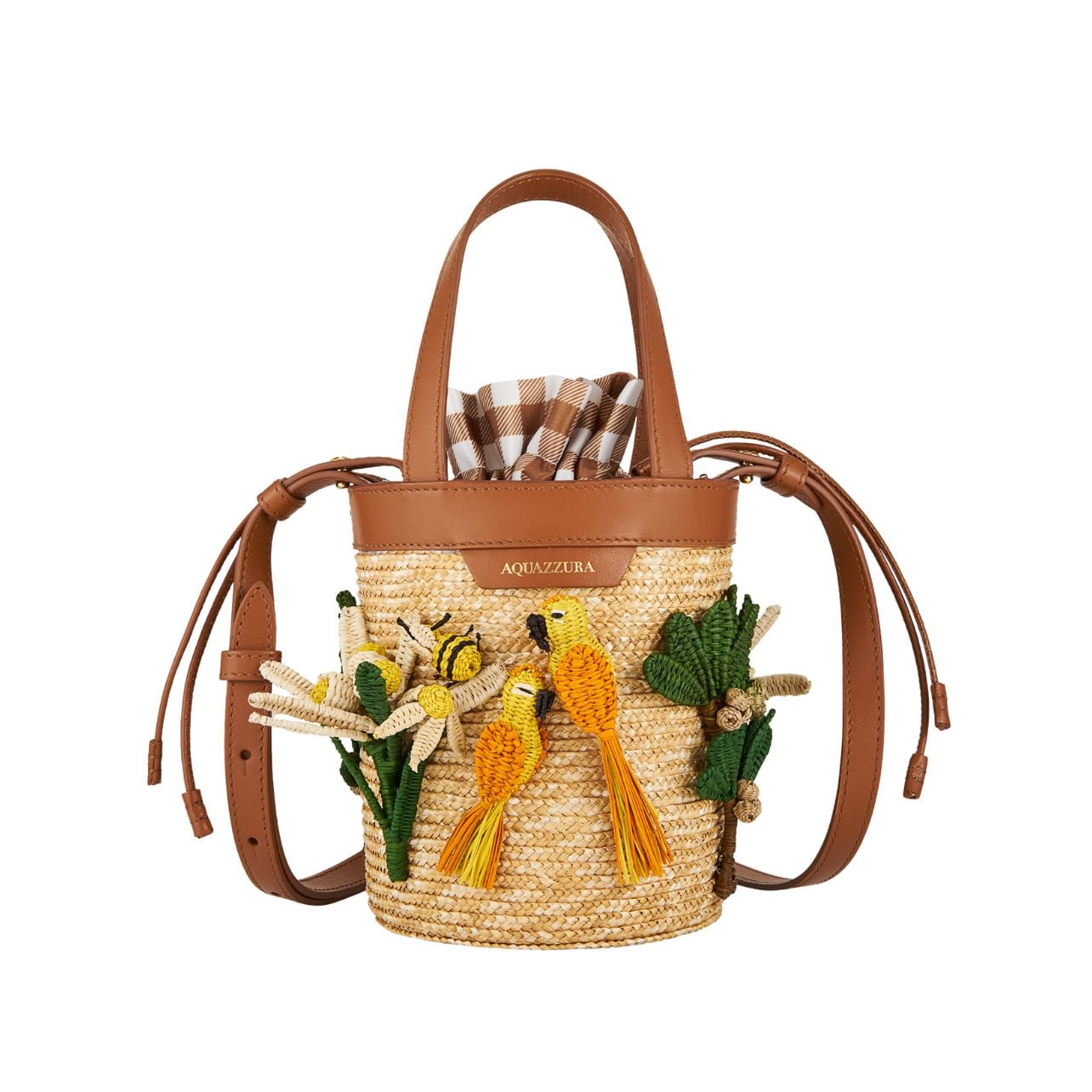
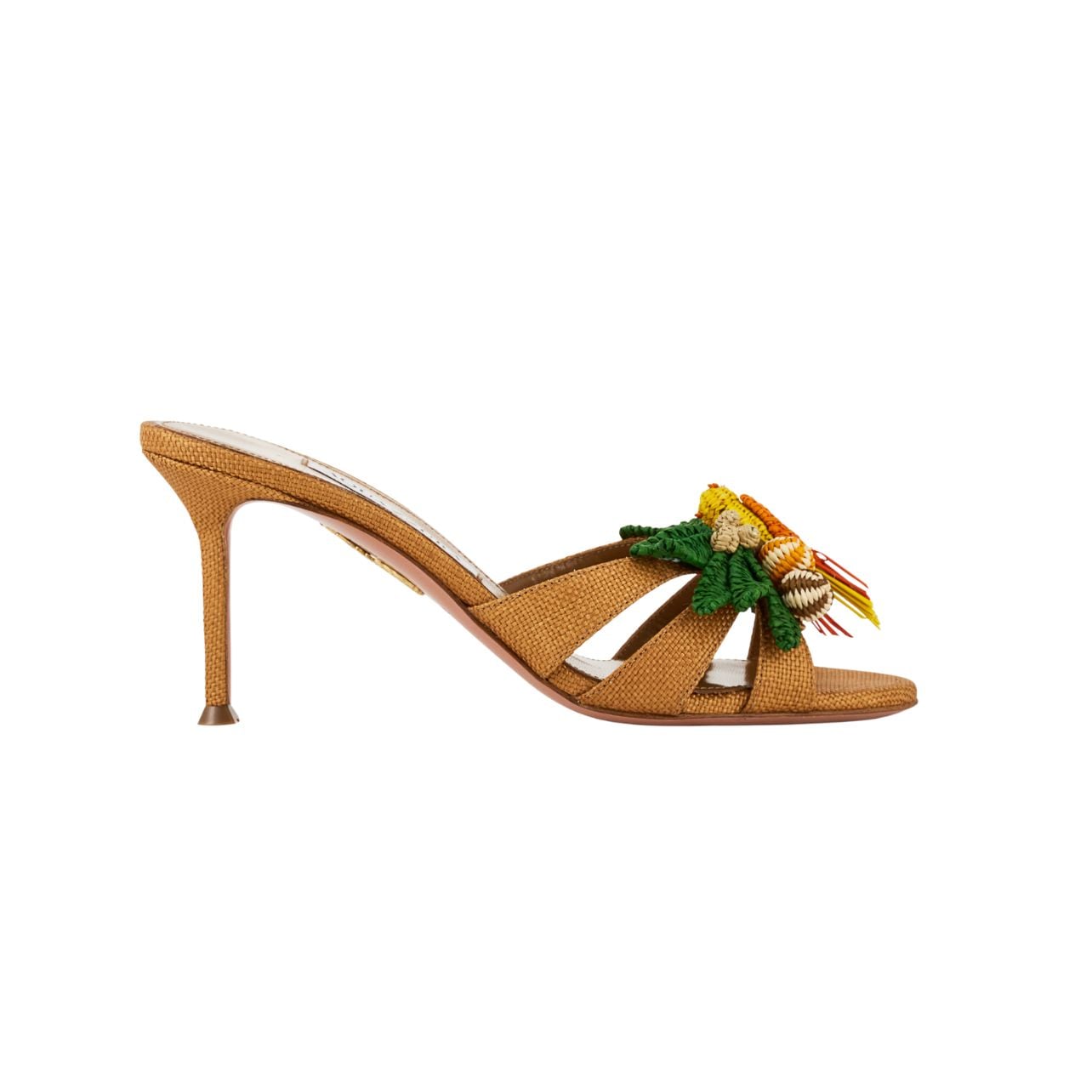
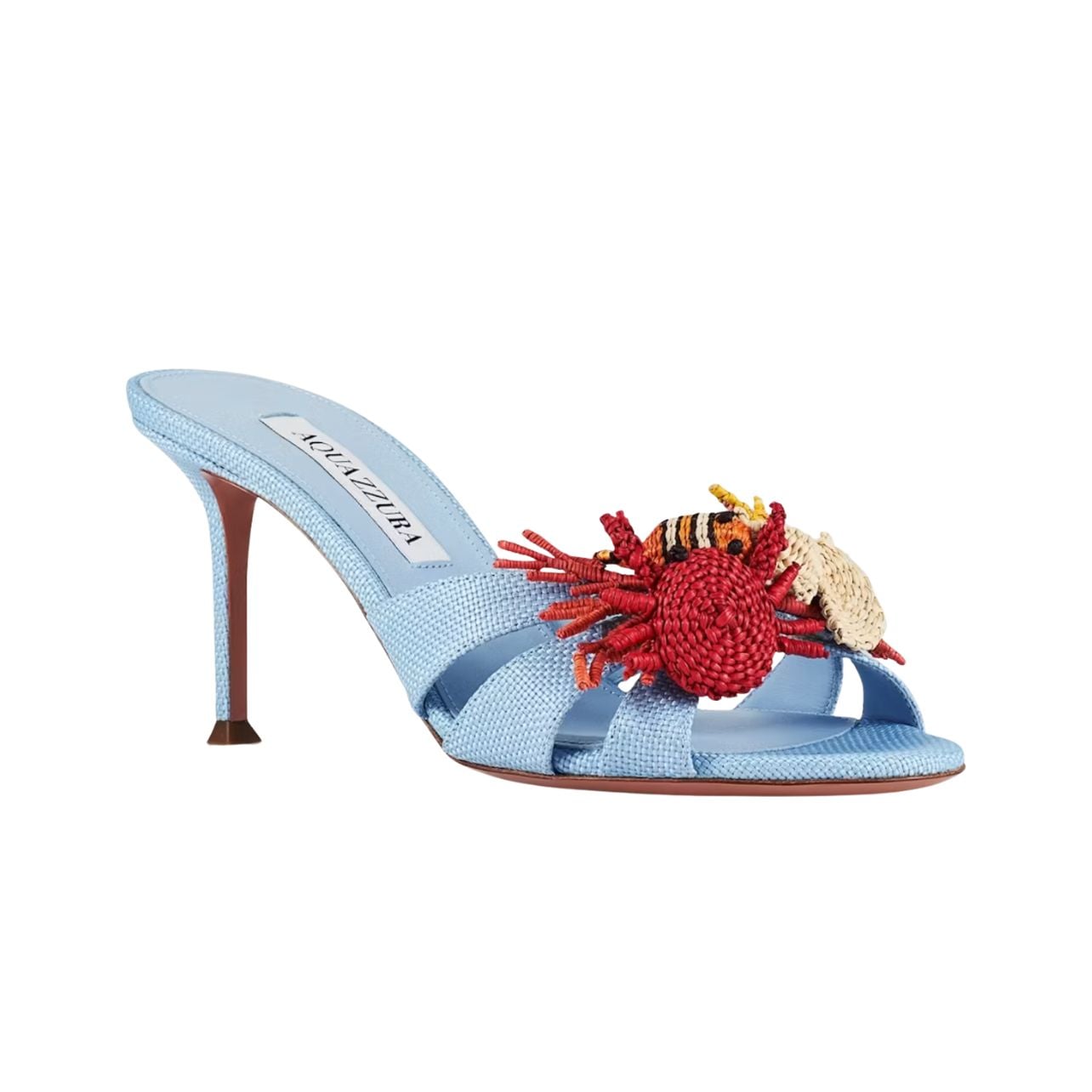
What mattered to me from the beginning was creating something that honored the craft while remaining true to the brand’s identity. Our shoes are entirely made in Italy, and the Colombian contribution lives in the raffia embellishments—the birds, fish, palm trees, shells, and corals that bring these styles to life. These relationships are incredibly meaningful to me, because they are rooted in respect, dialogue, and a genuine appreciation for traditional craftsmanship.
How collaborative is the design process?
I always begin with a clear creative vision; every collection carries a precise emotion and story. But when you work with makers who have such extraordinary mastery of their craft, it would be foolish not to listen. I collaborate with a group of women from Indigenous communities in Colombia through a local non-profit initiative, and their work brings a unique depth and soul to these creations. Their hands know things that drawings alone cannot express. I may begin with an idea for an ornament, a mood, or a feeling I want to capture, and then the scale, texture, or expression of that element takes shape through dialogue.
What cultural, or environmental aspects does working with these communities protect that a factory can’t replicate?
This is such an important question, because for me it goes far beyond using a natural material. You are supporting an entire ecosystem of knowledge, culture, and community that cannot be replicated by industrial production. These techniques are often passed down through generations, and by working with these makers, you help keep that heritage and practice alive.
Building on that, is Colombia always in the back of your mind when you’re designing?
Colombia lives in my instinct, in my relationship with color, in my love of warmth, sensuality, movement, and joy. There is a certain energy I carry with me from growing up between different cultures—in London, Miami, and Colombia—and the latter is a huge part of that emotional vocabulary. It is not only about a festive spirit. It is about generosity, openness, and a way of living that embraces beauty and emotion very naturally. When I think about summer, I want to create something that feels alive, optimistic, and full of personality. Colombia gives me that emotional charge.
Which city or region in Colombia do you find most visually inspiring, and why?
Cartagena, without question. I’ve always loved its streets—they’re full of color, music, and joy. There is something incredibly vibrant and emotional about the city, and that energy has stayed with me for years.
When you return to Cartagena after a period of being away, what’s the first thing you do to reorient yourself?
I go Salsa dancing with friends, it makes me feel right at home in one of the classic local places like Cafe Habana. Otherwise, I go to Cala Mambo, a small island in the Rosario Islands, about an hour by boat from the city, is my happy place. The moment I’m there, I feel completely reset.
Share your musts list for 36 hours in Cartagena.
Walk through the streets of the old city and really take in the color and atmosphere. My favorite plan is to get lost in the beautiful streets of the old city filled with music and also do wonderful shopping from great local designers as well as artisans. One of my favorite shops is Casa Chiqui. It’s a place where you can find a wonderful mix of Colombian artisanal creations and other wonderful objects that my friend Chiqui de Echavarría discovers during her travels around the world. In the evening, I’d start with a drink at Salon Tropical, and for dinner, I’d go to La Vitrola, especially for the patacones with ceviche.
What’s something you always travel with, no matter the destination?
A notebook. I always like to write down ideas, sketch, or capture a moment of inspiration wherever I am—especially near the water, because that’s where I’ve always loved drawing the most.