By Simone Girner and Kat Herriman
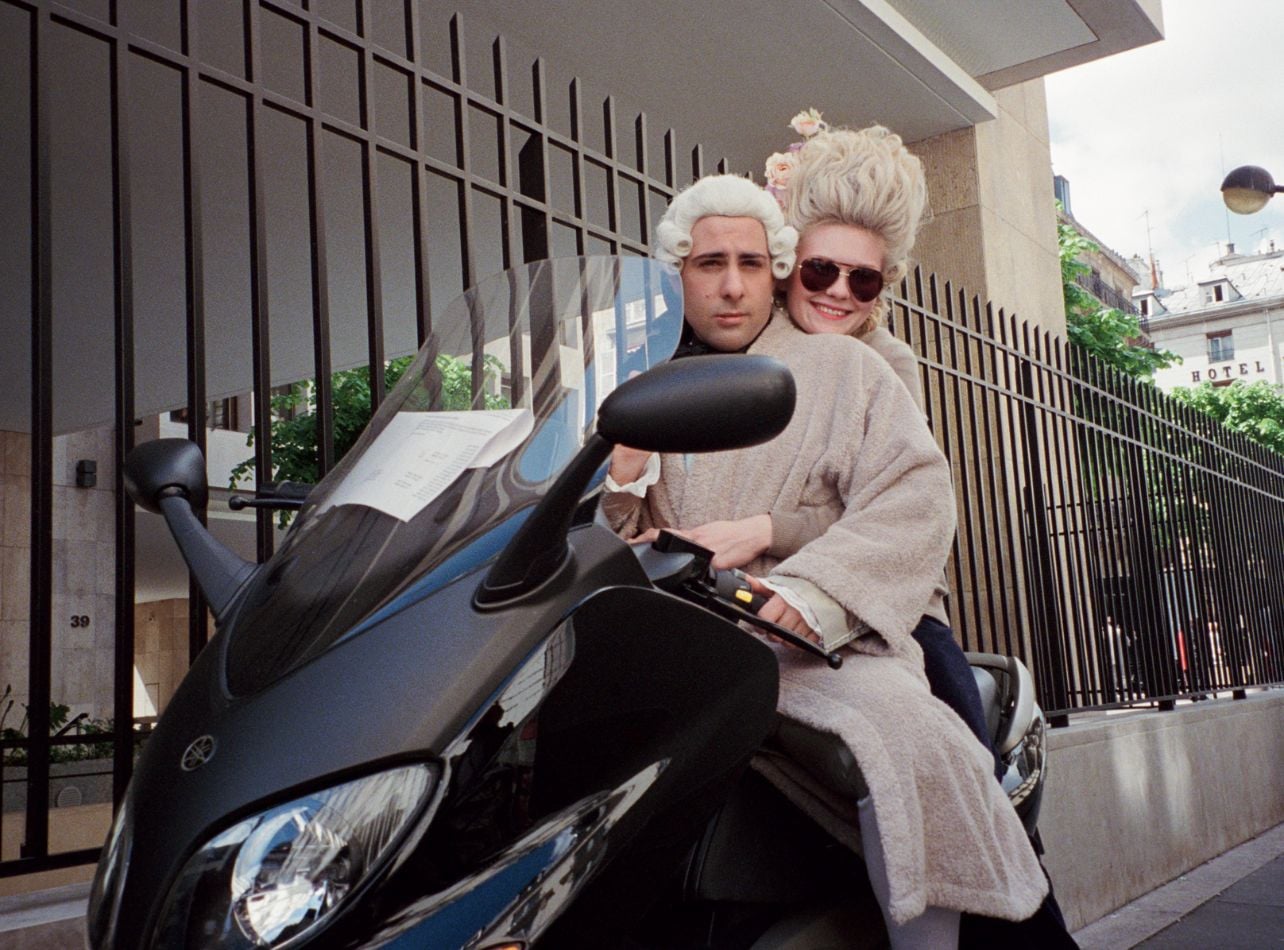
Kirsten Dunst and Jason Schwartzman in “Making Marie Antoinette,” by photographer Andrew Durham; © Andrew Durham, courtesy of the Artist and MACK.
With Labor Day just behind us and the fall season officially underway, we present a new cheat sheet to the best of the cultural season: Culture Bites. This assortment is a primer for what we believe will be the most buzzed about films, books, exhibitions, and performances of the season. And more importantly, they offer a great escape into a realm of artful indulgence to fuel the soul.
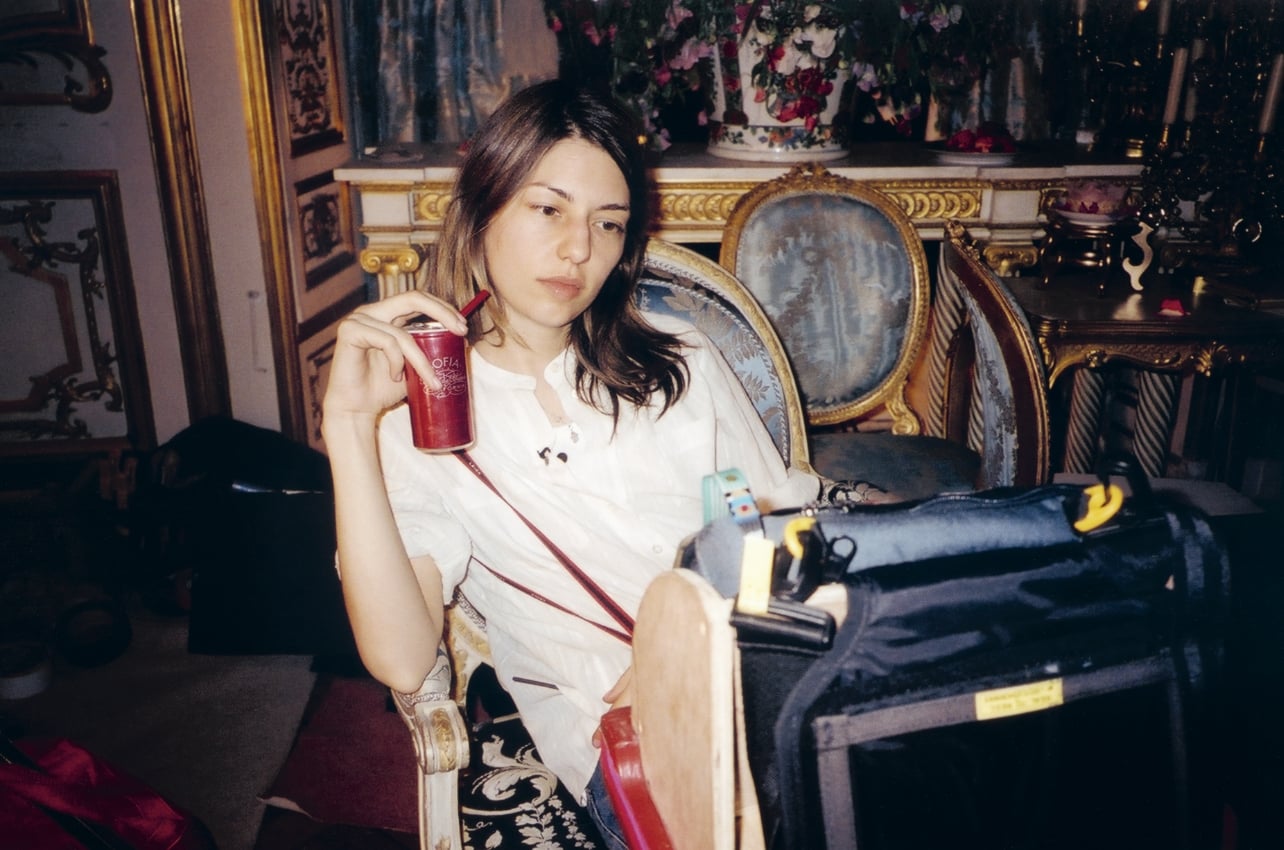
Director Sofia Coppola in “Making Marie Antoinette,” by photographer Andrew Durham; © Andrew Durham, courtesy of the Artist and MACK.
Marie Antoinette Turns 20
Just over two decades after Marie Antoinette was executed in 1793 as “Madame Déficit,” her legend was rehabilitated and recast as the glamorous martyr of a fallen monarchy, actively promoted by her brother-in-law Louis XVIII. May we all be so blessed. Since then, the myth of France’s most lavish queen has only grown more fanciful, sequined by centuries of admirers, from 19th-century royalty-loving romantics to Great Depression-era dreamers.
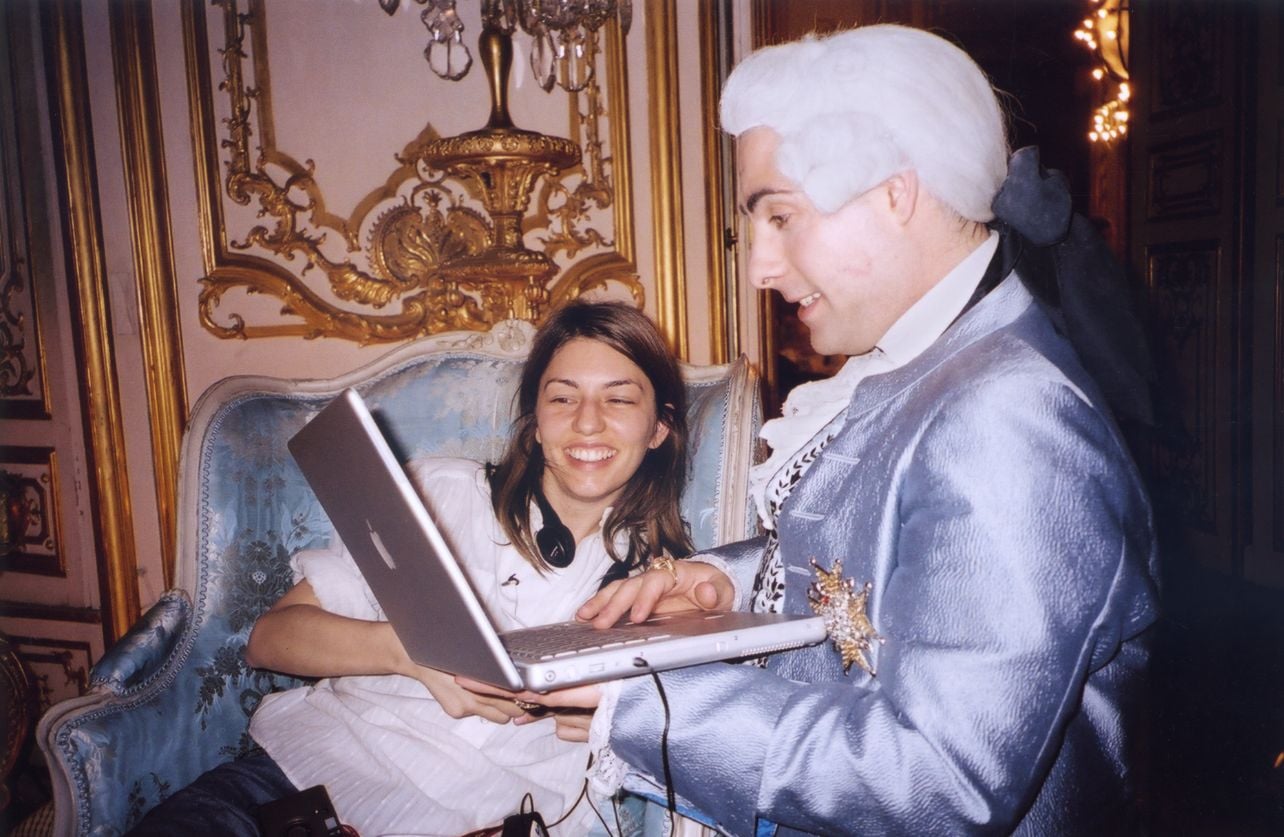
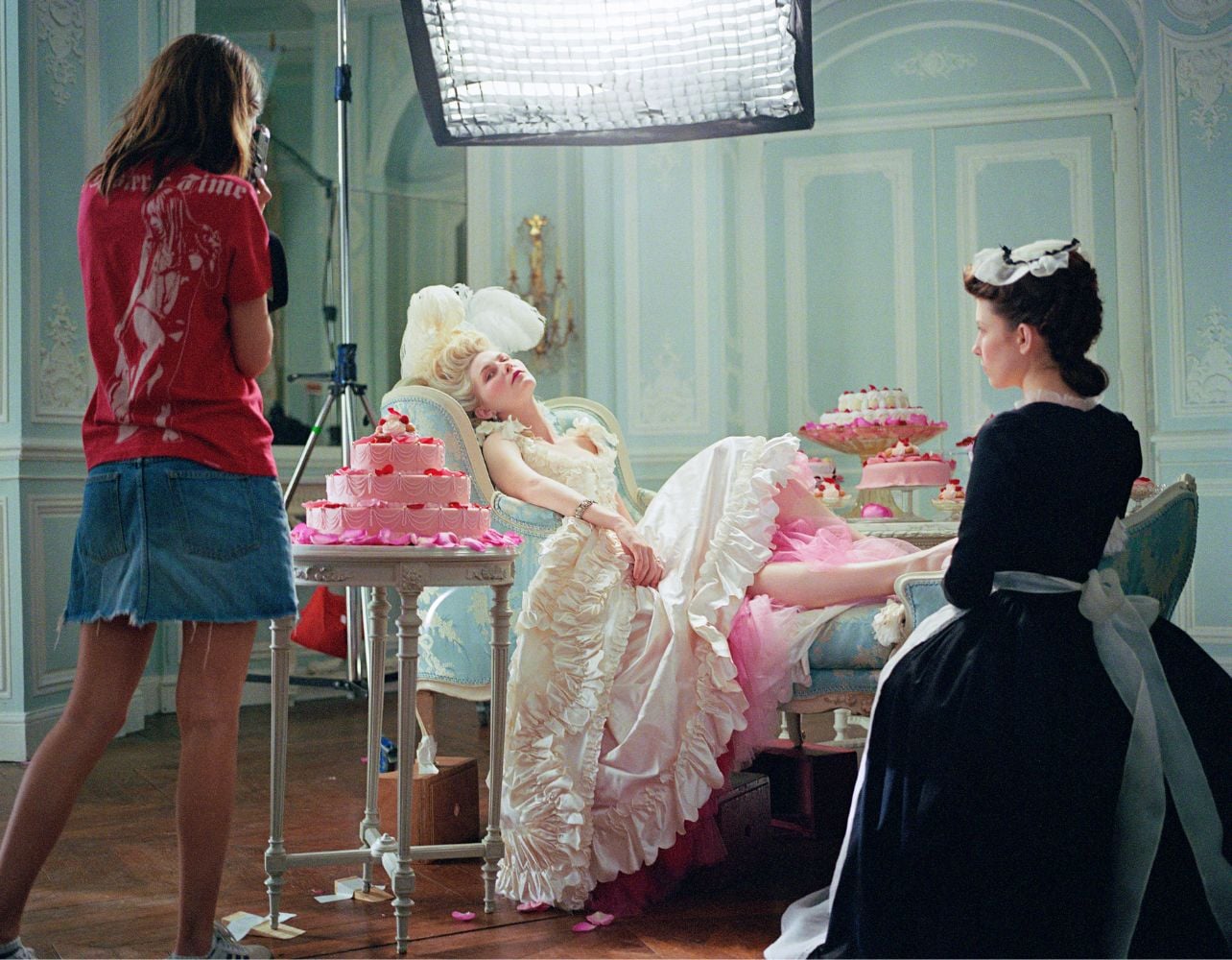
This fall sees the return of Marie Antoinette’s story to the center of pop culture, amplified by a much more contemporary piece of Antoinette fan fiction: Sofia Coppola’s iconic biopic from 2006, starring Kirsten Dunst. Restored and returning to theaters in October, Coppola’s generation-defining film reveals its creation via “Making Marie Antoinette,” from the director’s own imprint, Important Flowers, featuring a collection of behind-the-scenes images captured by Coppola confidante Andrew Durham, who documented the film’s production during its unprecedented access to the Palace of Versailles.
The celebrations continue at Versailles, where an exhibition curated by Coppola and devoted to the movie’s influence will occupy the Petit Trianon, from September 22 through January 24.
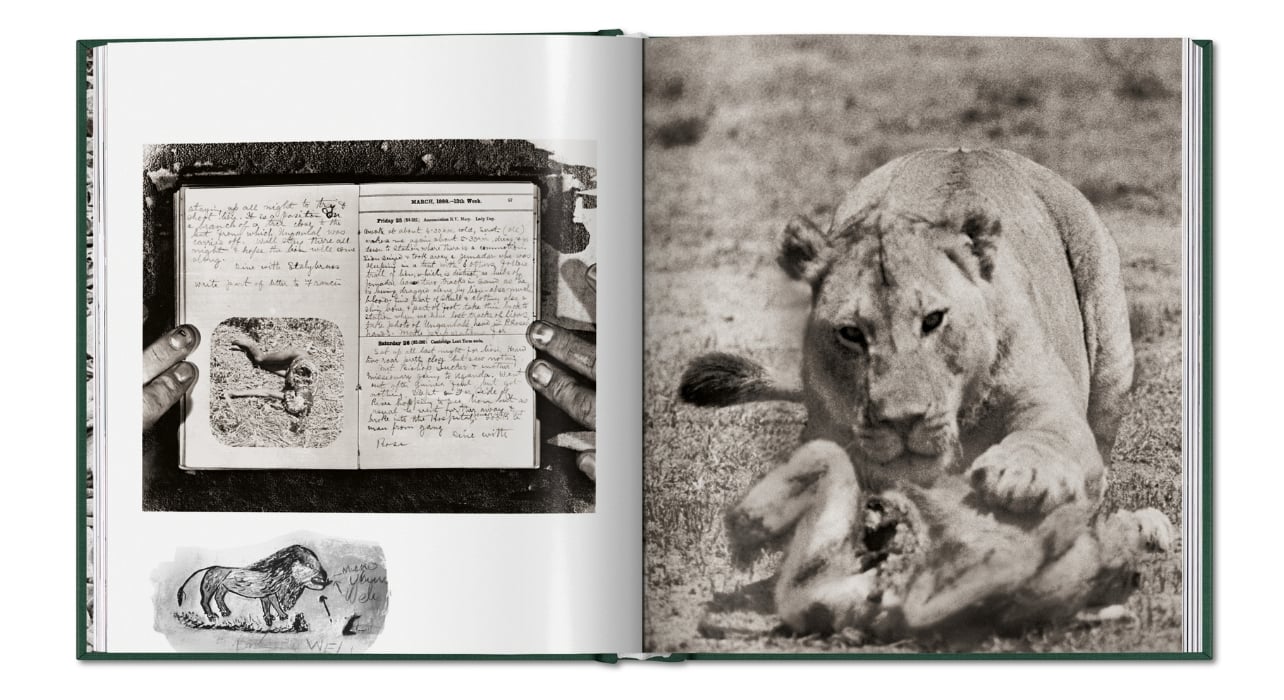
“The End of the Game” is available at Books & Books. Courtesy of Taschen.
Game On
The death of Peter Beard in 2020 resonated not only in the art and fashion worlds, but throughout animal rights and conservation groups, too. Luckily, Beard’s iconic, and impossible-to-possess, 1965 tome, “The End of the Game,” which documented the collapse of the elephant population in Kenya, has been re-editioned by Taschen with additional images and a suite of new essays.
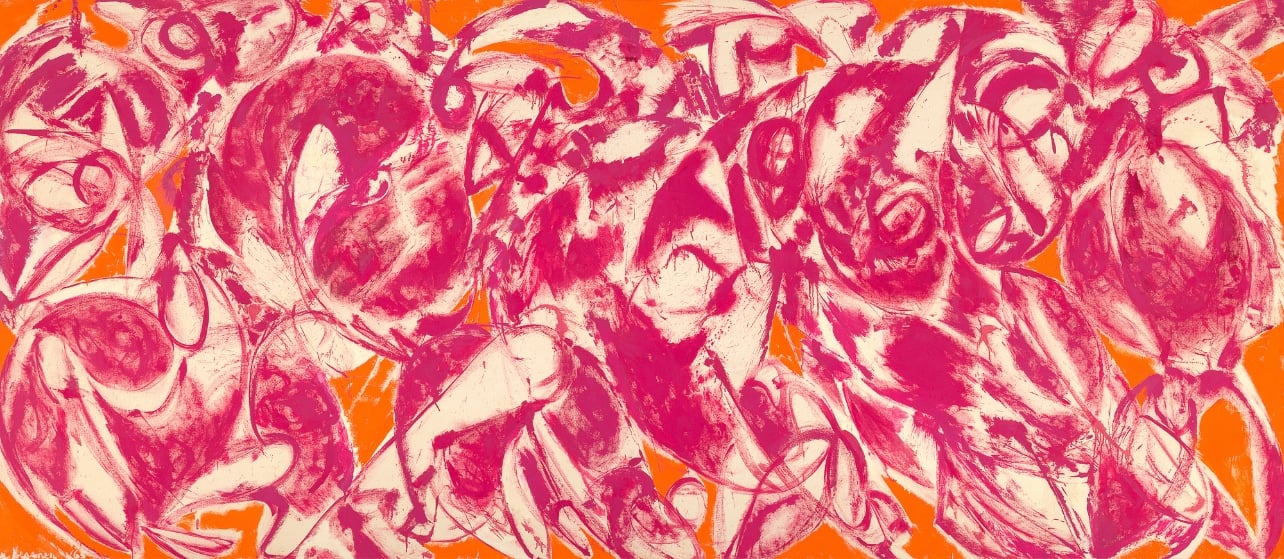
Lee Krasner’s Combat, 1965; © 2026 Pollock-Krasner Foundation/Artists Rights Society (ARS), New York.
When Art is Life
The lives–professional and personal–of Lee Krasner and Jackson Pollock have featured in countless books, films, and even an experiential composition, often with Krasner playing the supporting Mrs. role to Pollock’s bad-boy painter. A major exhibition opening on October 4 at the Met in New York aims to challenge our preconceived notions of two artists whose connected but also distinct practices forever imprinted on modern and contemporary American art. Named after a painting created by Krasner in 1976, two decades after her husband’s death, “Krasner and Pollock: Past Continuous” is a comprehensive exhibition that examines the arc of their careers. Included in the 120 works are Autumn Rhythm (Number 30), one of Pollock’s most famous action paintings, and the powerful Bald Eagle by Krasner, an artist who never saw the point in dividing the personal and the professional. “It is like asking–do I want to live,” she once said. “My answer is yes–and I paint.”
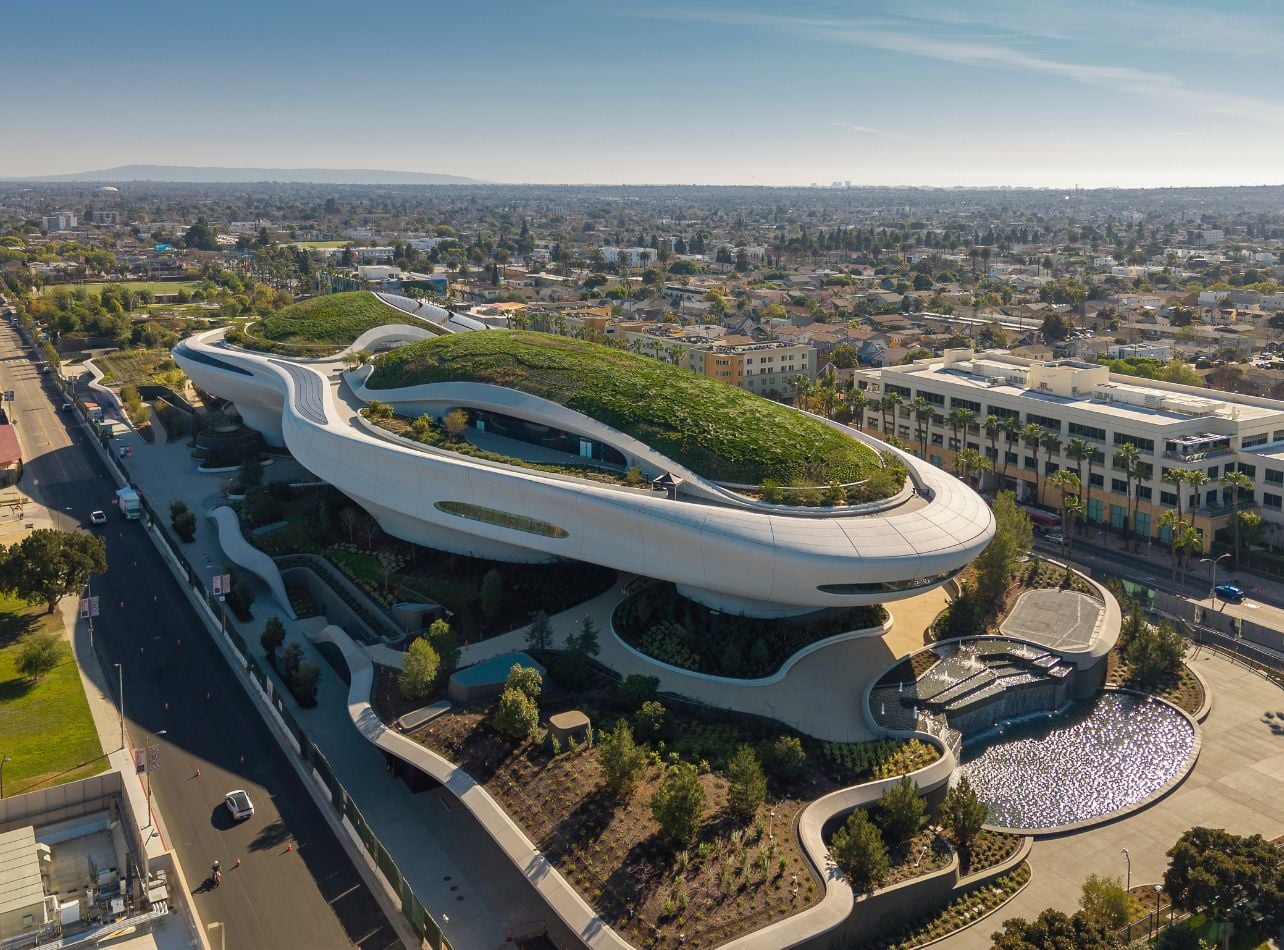
The Lucas Museum of Narrative Art opens September 22; photo by Pedro Ramirez.
Take Two
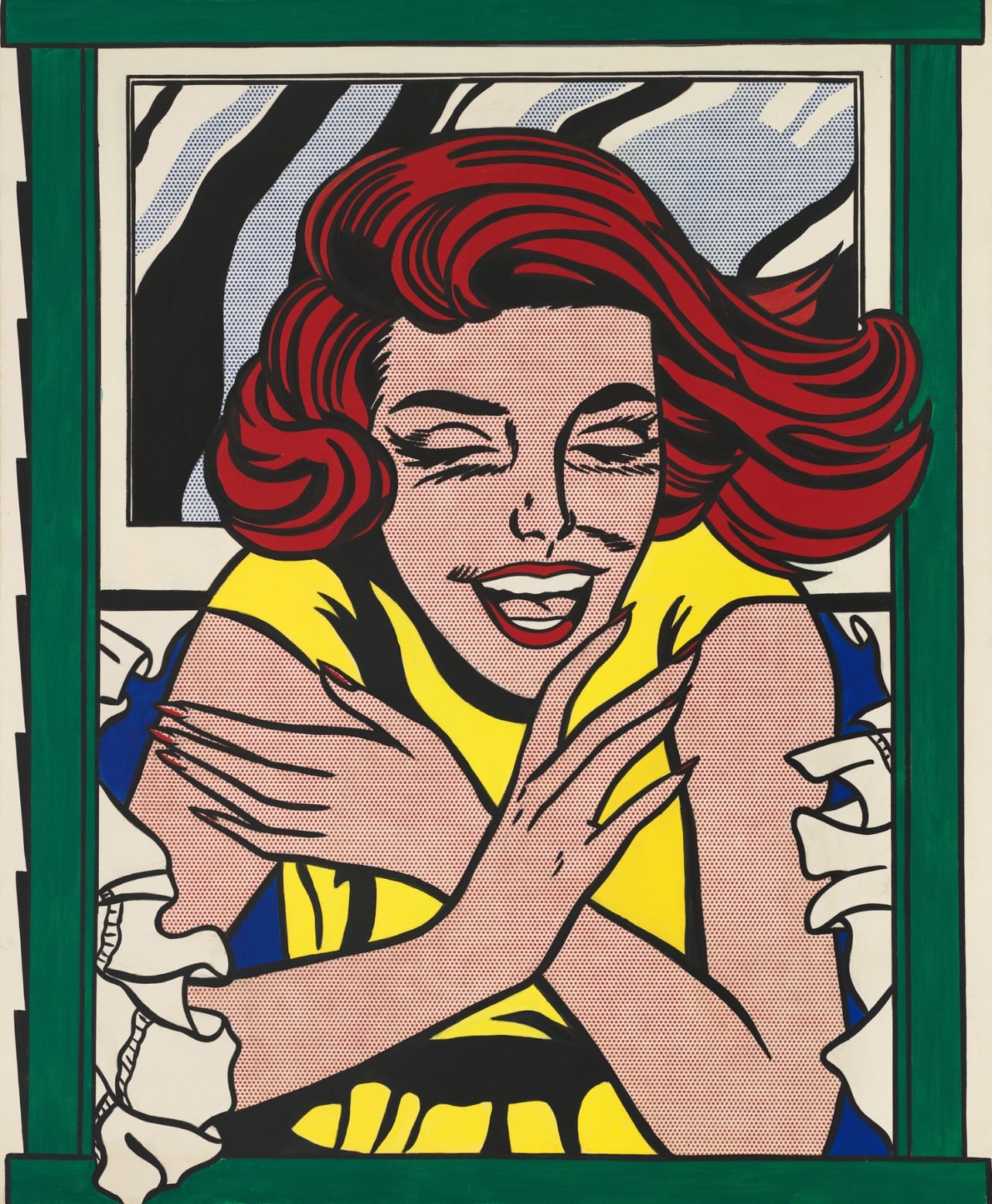
Roy Lichtenstein’s Girl in Window (Study for World’s Fair Mural), 1963; © Estate of Roy Lichtenstein/DACS 2026.
After a long drought, LA’s institutional landscape is springing back to life. On the heels of LACMA’s new Peter Zumthor-conceived David Geffen Galleries comes the Lucas Museum of Narrative Art, founded by George Lucas and his wife, Melody Hobson. Similarly, the building itself is a marvel conceived by another high-wattage architect, Ma Yansong of MAD. Where LACMA appears like a primordial outgrowth, the Lucas looks like it’s ready to take off. A double-header to see the inaugural Hollywood-sized installations is a must.
King of Pop
“I like to pretend that my art has nothing to do with me,” the famously unpretentious Roy Lichtenstein once said. But of course, his indelible oeuvre was deeply personal in its exploration of how art is made, copied, and circulated–themes relevant when Lichtenstein was taking the Pop Art world by storm in the early ’60s, and newly fascinating in this digital moment. Opening in October, the Whitney Museum of American Art’s aptly named “Roy Lichtenstein: Like New” features some 130 works, from the early ’40s through the ’90s, including blockbusters like Look Mickey (1961) and Happy Tears (1964). Process-obsessed creatives should also visit “Roy Lichtenstein: 1997,” a smaller companion show at the museum that includes studies for a number of unrealized projects. –SIMONE GIRNER
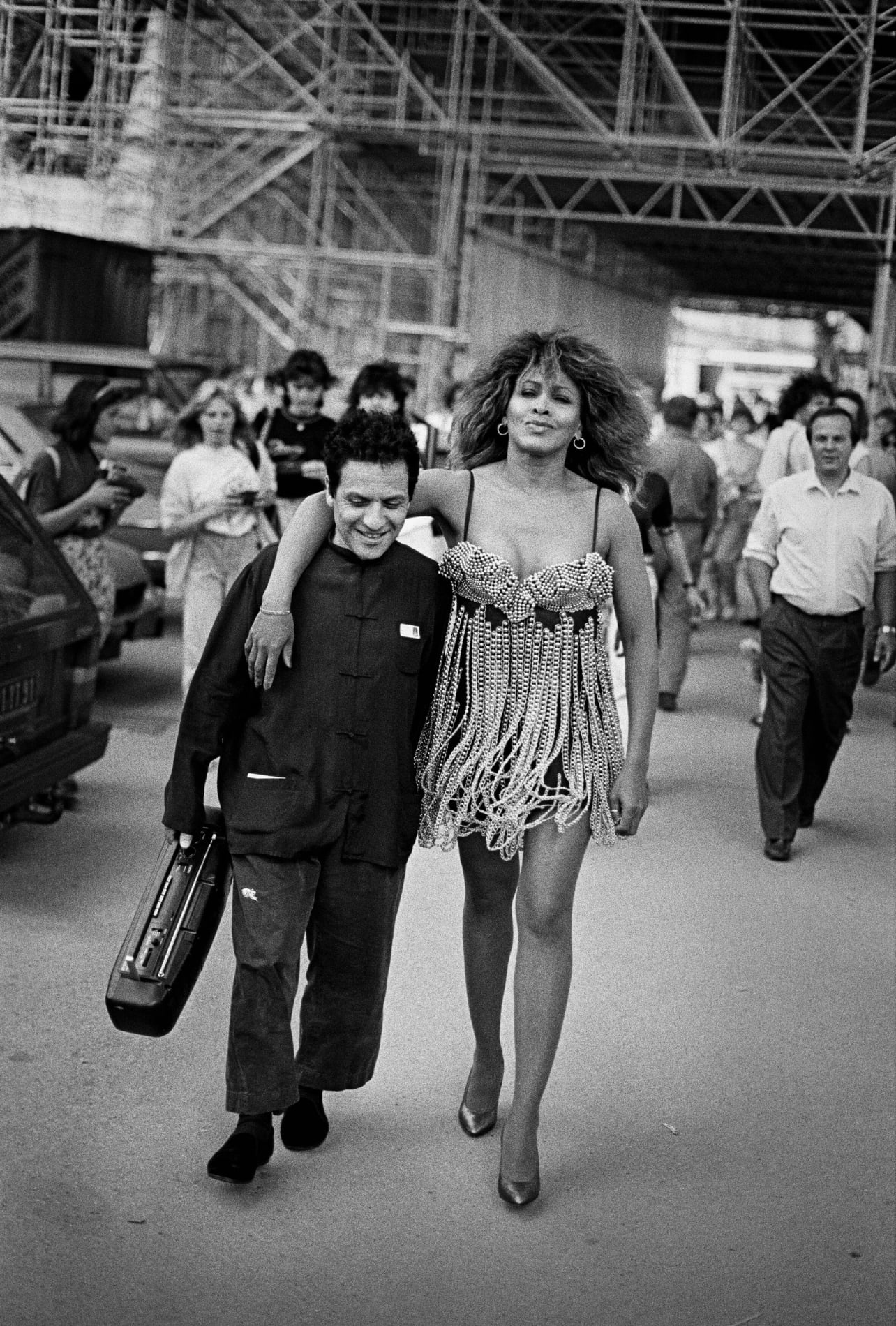
Azzedine Alaïa and Tina Turner in a custom look by the designer, photographed by Peter Lindbergh for Italian Vogue, 1990. Credit: © Peter Lindbergh (Courtesy of Fondation Azzedine Alaïa and Peter Lindbergh Foundation, Paris).
Alaïa Forever
Not every fashion designer is an artist. Azzedine Alaïa was. For evidence, one need look no further than the late visionary’s first US retrospective at the Legion of Honor in San Francisco, opening November 21. Who but a Tunisian-born, Parisian-based designer would need the context of an encyclopedic art collection like that of the Legion of Honor to tell the story of a contemporary clothing brand?
Anticipate unexplored connections between Alaïa’s pioneering body-conscious silhouettes and decades of excellence in figuration, thanks to the museum’s expansive Auguste Rodin holdings. Rodin famously built his sculptures using hidden armatures to hide his rough-and-ready wet-draping folds, where Alaïa resorted to exposed seams and zippers so you could see the handiwork of a garment designed to disappear into the body it adorned.
It will be gratifying to witness these two approaches to draping play out in room after glorious room.
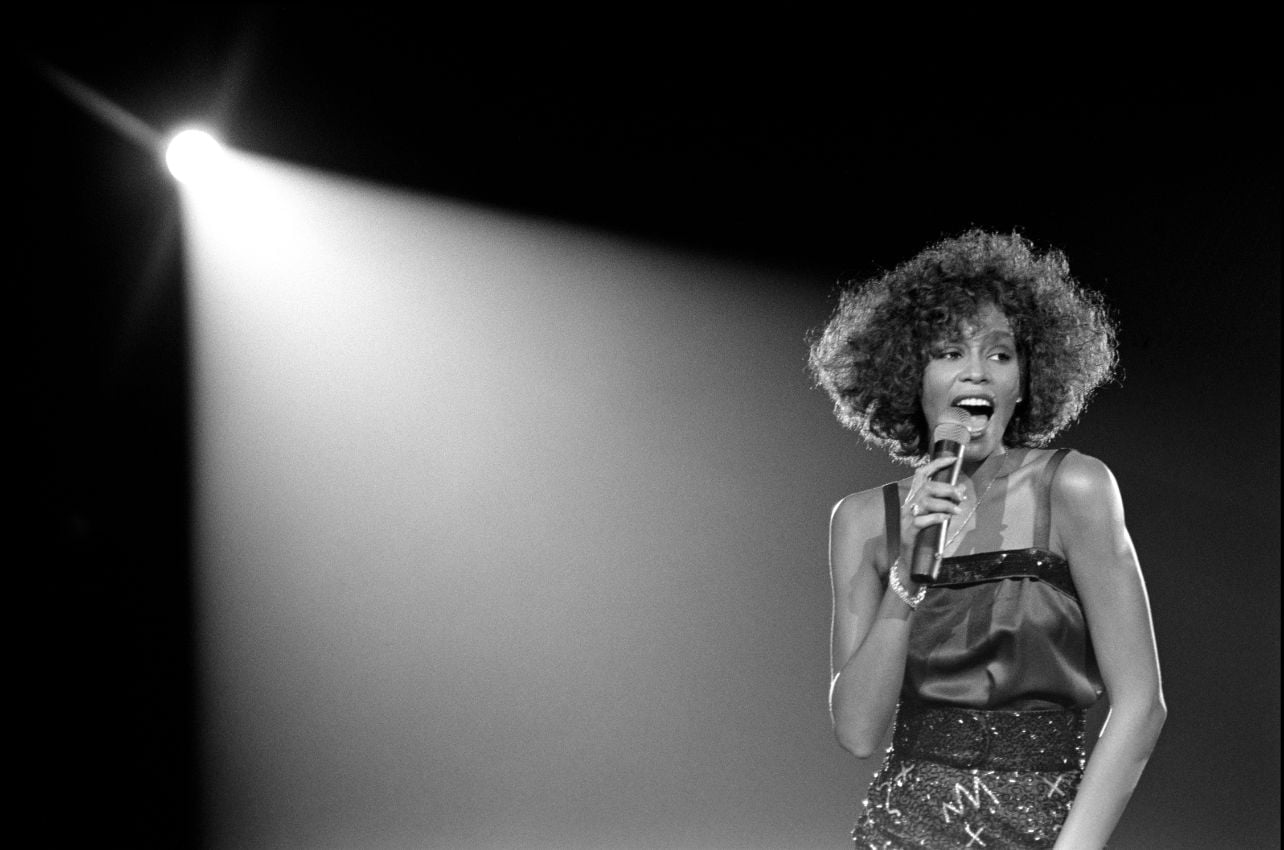
Whitney Houston performing at London’s Wembley Arena, May 1988; Photo by David Corio © Estate of David Corio, courtesy of Denver Art Museum.
Yes, Queen!
We know their names by heart: Callas, Gaga, Cher, Rihanna. Yet how often do we get to talk about the qualities that unite these enigmatic individuals? This fall, the Denver Art Museum does its part in correcting that injustice by hosting “DIVA,” a new leading lady-themed exhibition that originated, appropriately, at a monument to one: the Victoria and Albert Museum in London. Seen through their ephemera, clothing, videos, and behind-the-scenes footage, divas past and present begin to seem more like long-lost peers, traveling through time in a clique of excellence.
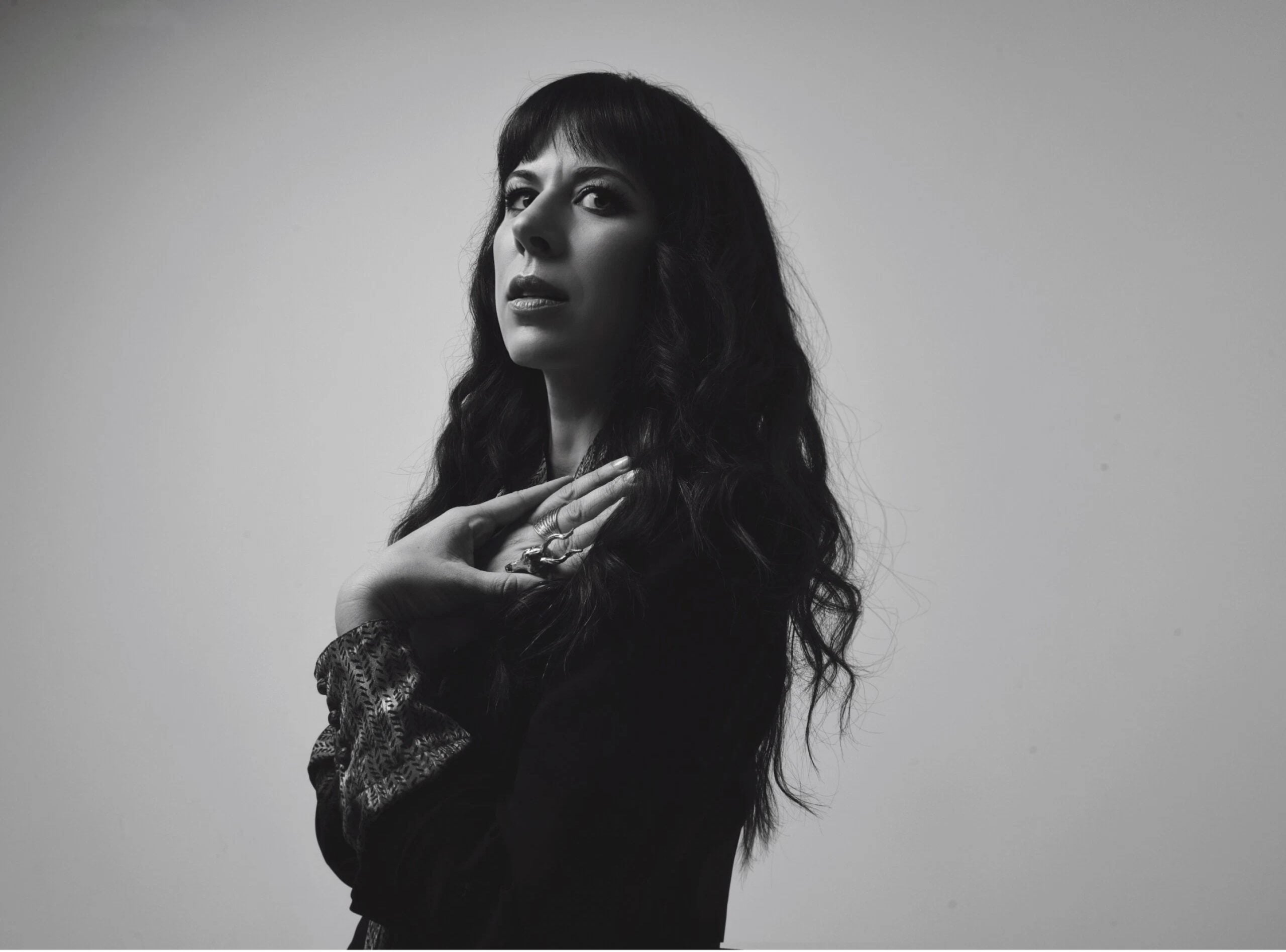
Composer Missy Mazzoli debuts a new work this November at New York’s Metropolitan Opera.
Power Forward
Grammy-nominated Missy Mazzoli–who has been called “a once-in-a-generation magician of the orchestra”–is no stranger to operatic adaptations (she wrote a searing three-act based on the film Breaking the Waves). But her newest work debuting at the Metropolitan Opera is her most ambitious, and not just because she’s only one of the first two women to be commissioned by the New York institution. Based on George Saunders’s “Lincoln in the Bardo,” the new work has a luminous cast, led by imposing Swedish baritone Peter Mattei, and a creative team helmed by director Lileana Blain-Cruz, crossing the plaza from her resident post at Lincoln Center Theater, and wunderkind librettist Royce Vavrek. Lincoln in the Bardo premieres on October 19, with performances through November 14.
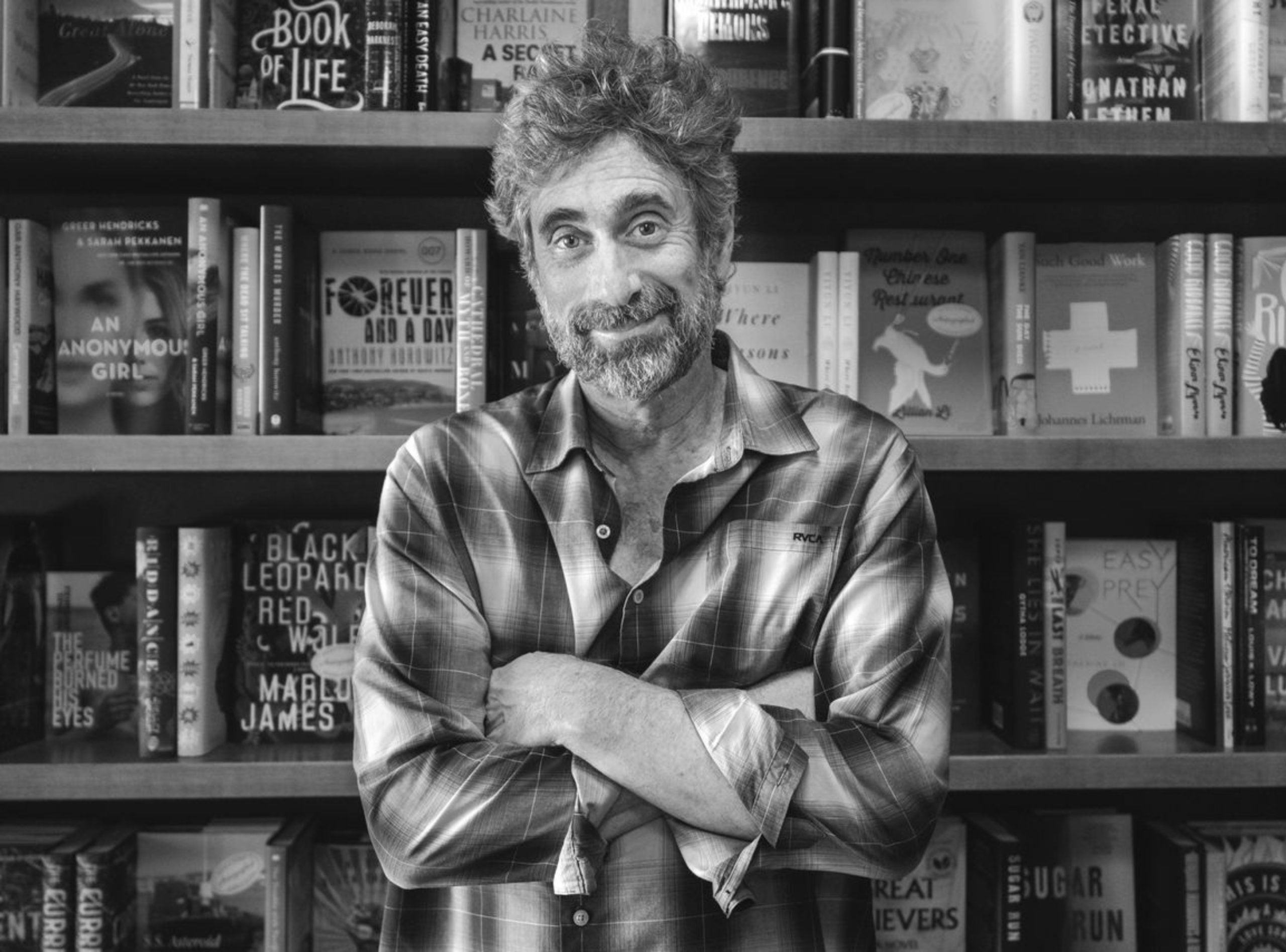
Books & Books owner and founder Mitchell Kaplan was a co-founder of the Miami Book Fair.
Get Lit
The Miami Book Fair, the largest in the country, returns to Downtown Miami from November 15 through 22 in a celebration of stories and storytelling, hosting hundreds of authors across all genres and with special programming for readers of all ages. Fun fact: The fair was cofounded in 1984 by Books & Books owner Mitchell Kaplan, and Miami Dade College President Emeritus Eduardo J. Padrón.
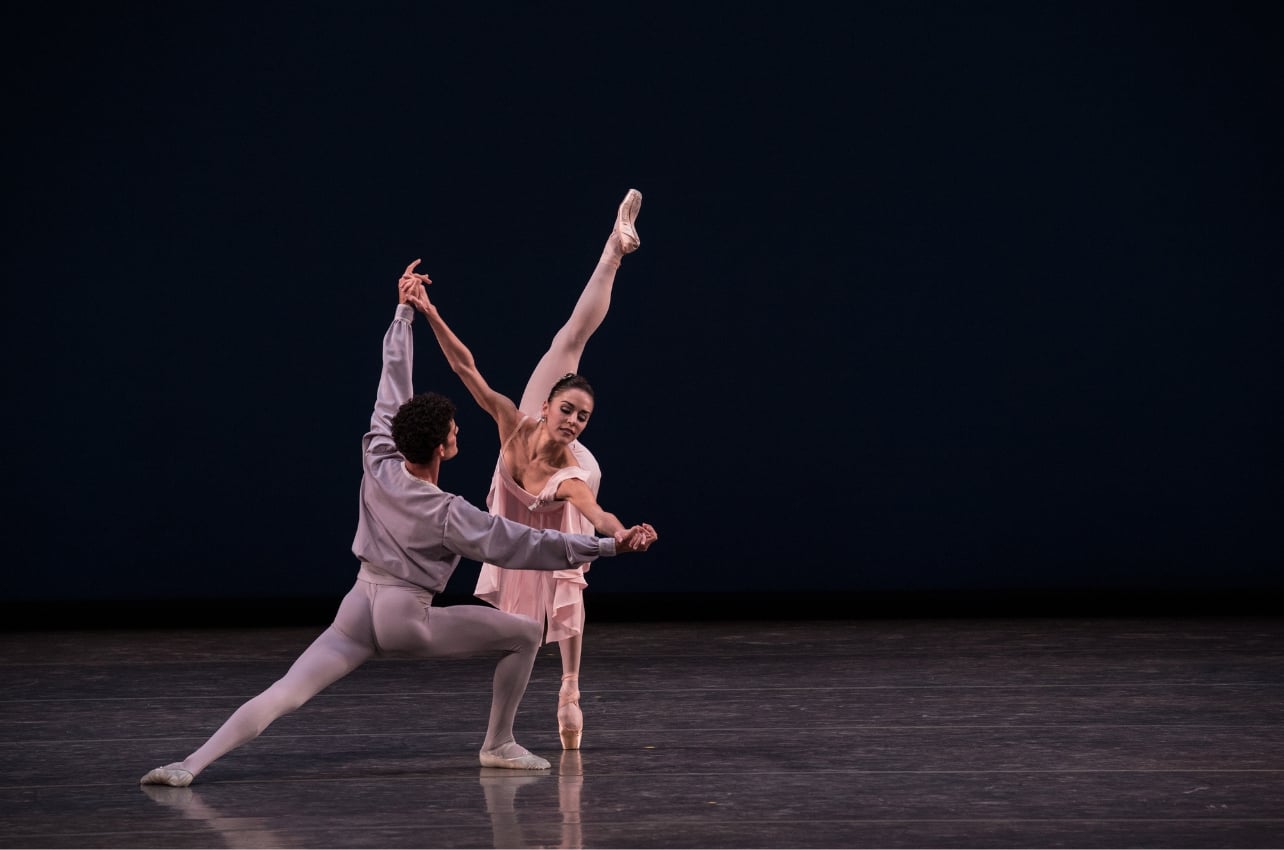
George Balanchine’s Allegro Brillante; photo by Erin Baiano, courtesy of Miami City Ballet.
The Rhythm is Gonna Get You
Miami City Ballet has one of the most exciting repertoires in the US, in part because of its proximity to the New York City Ballet (all three of its artistic directors are alumni)–but also because the company has always commissioned original works. This fall (from October 16 through 25), its “American Rhythms” program features a premiere by former principal dancer Patricia Delgado (most recently, she and her husband, the choreographer Justin Peck, won a Tony for Buena Vista Social Club). The piece, still untitled and sharing a program with Balanchine’s Allegro Brillante and Jerome Robbins’s exuberant N.Y. Export: Opus Jazz, will be Delgado’s first solo choreographic work for a ballet company. It’s a homecoming, as well as an artist leaping–with beautifully pointed feet, of course–into a new chapter.