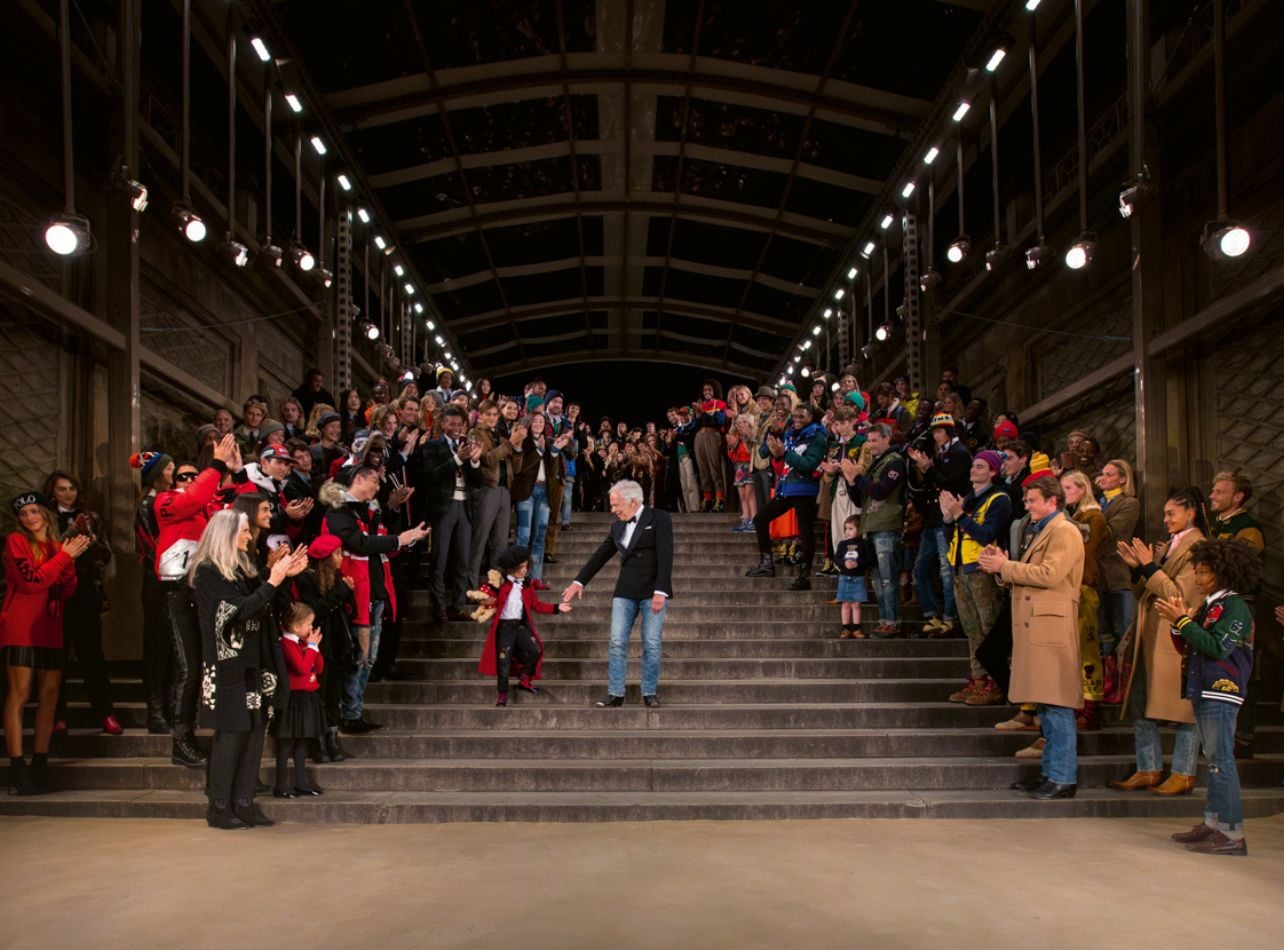
Ralph Lauren’s epic 50th anniversary show in New York’s Central Park.
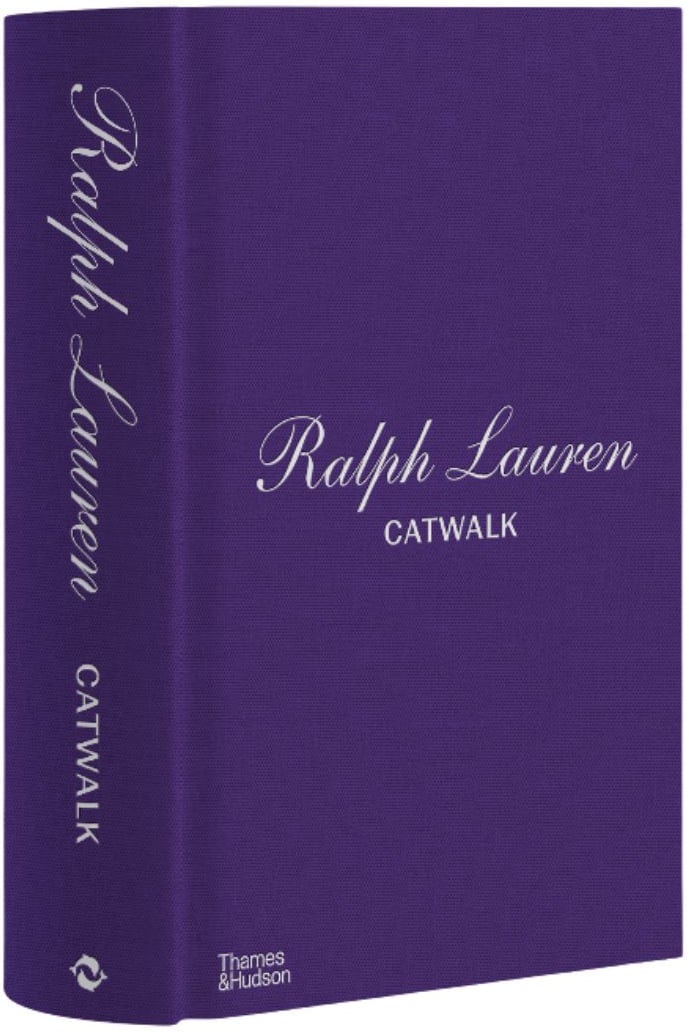
“Ralph Lauren: Catwalk,” available at Books & Books, Bal Harbour Shops.
Ralph Lauren has had more of an impact on what people wear every day than perhaps any other designer in fashion history. Decades before it became de rigueur on Paris runways, he made sportswear—polo shirts, tennis sweaters, denim—aspirational. Starting with neckties in 1967, the designer steadily expanded into menswear, womenswear, home goods, fragrances, and restaurants on the way to becoming a global brand. But his biggest innovation was turning clothing into a story. Because customers are not just buying a shirt, they are buying into an American dream of Ivy Leaguers, old-money equestrians, Golden Age matinee idols, Western ranchers, and New England cottagecore mummies that one can picture in the mind’s eye and dress like.
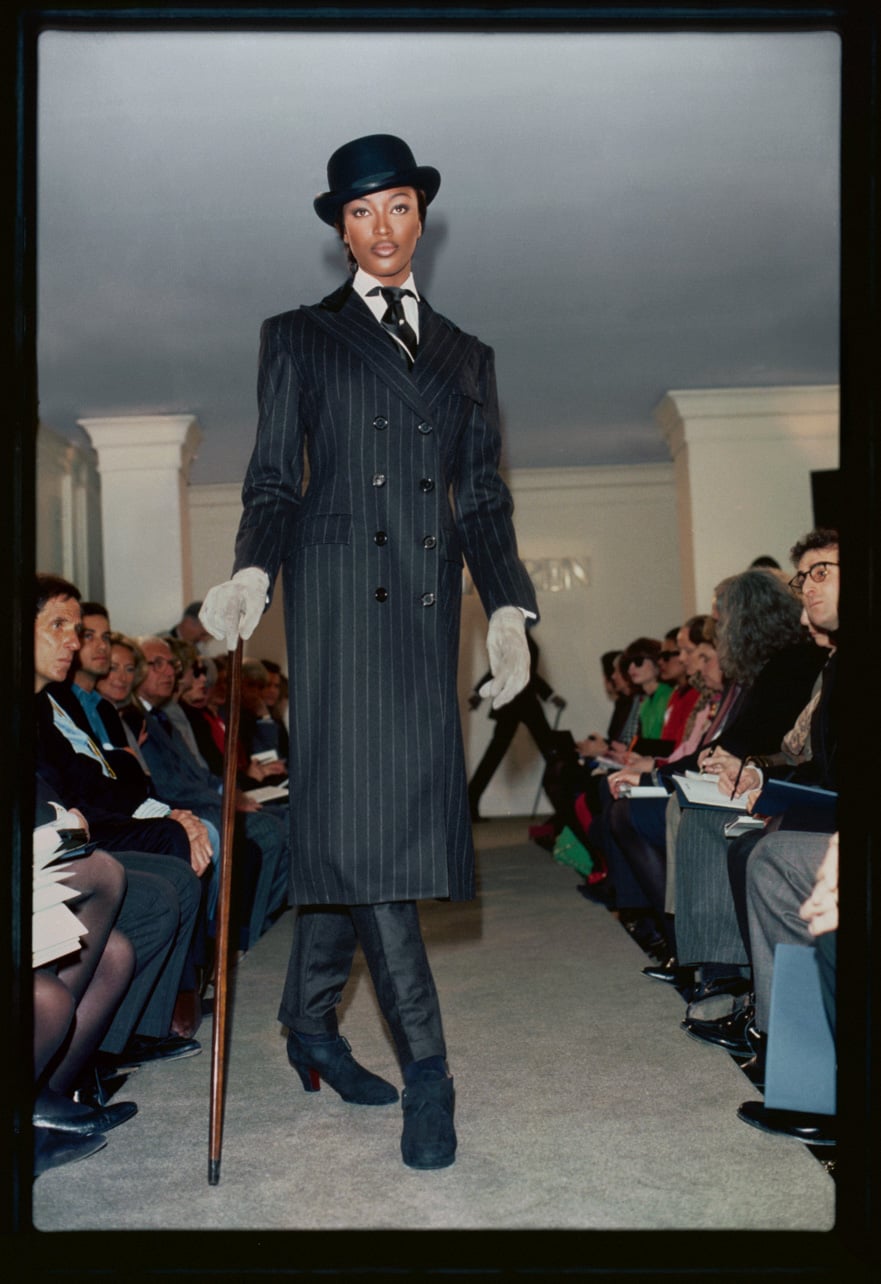
The fashion runway has been key to Lauren’s world-building, bringing to cinematic life the archetypes that define his timeless aesthetic. More than 50 years of runway storytelling is showcased in “Ralph Lauren Catwalk” (Yale University Press), a stunning new visual archive with more than one thousand images, starting with his women’s debut for Fall 1972 and running up to his Fall 2025 collection.
The book was curated and written by revered fashion journalist Bridget Foley, who, incidentally, was a colleague of mine when we were at Women’s Wear Daily. She’s been in attendance for at least half of Lauren’s shows and maintains that the way he uses the runway to guide his storytelling comes down to two words: character creation.
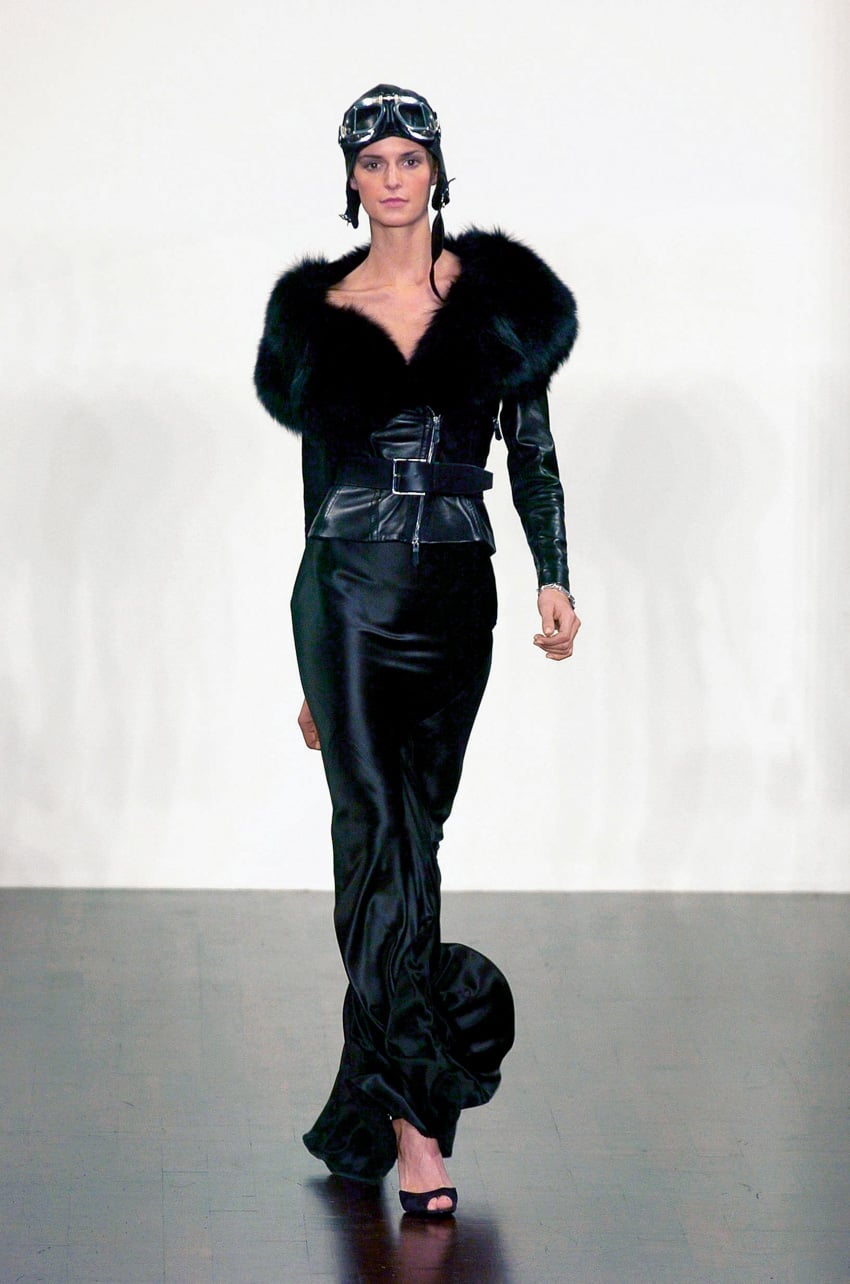
“Ralph has never seen his runway as a path for mannequins pushing the latest fashions. He’s seen it as a story arc. And that’s particularly fascinating, because he doesn’t always do a major set,” says Foley, explaining that restraint has been part of his magic. It’s a lesson Lauren learned as a child growing up in the Bronx in the 1940’s going to the cinema, dreaming of other worlds in rugged Hollywood Westerns and refined Golden Age movies. “Ralph has always presented his characters as idealized reality. And that’s part of the storytelling.”
Using the book as a starting point, we took a trip down memory lane, discussing Lauren’s impact, our favorite looks, and show anecdotes over the years, from Janelle Monáe’s cabaret performance, to Tom Hiddleston reciting poetry to me on the way out of Lauren’s spectacular 50th anniversary show and candlelit dinner in Central Park.
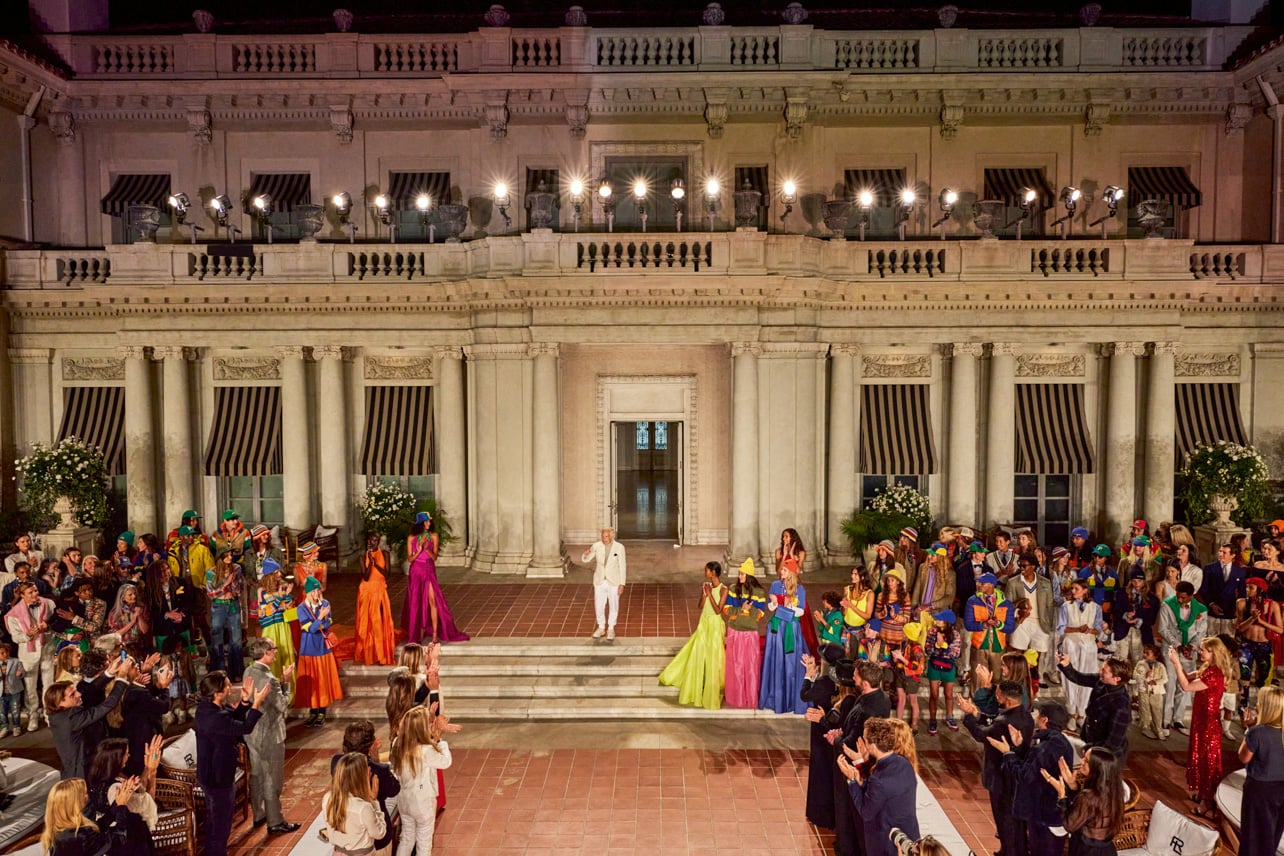
Ralph Lauren presented Spring/ Summer 2023 on the Beaux Art terrace at The Huntington, in San Marino, California, in his first-ever West Coast show.
Booth Moore: The characters on Ralph’s runways are idealized, but they also seem like people you know.
Bridget Foley: Ralph’s inspiration, first and foremost, is his own life, his family. He started out with what he needed—first he had an idea for interesting ties, and then he couldn’t find the shirts and suits to go with the tie—that was about his life. He and Ricky [Lauren] married very young, then it was about what does Ricky need for her life, then their kids. So there’s that whole reality-based, lifestyle-utilitarian function of what we need to live our best lives.
BM: Right, the ultimate aspirational piece for a life well lived could be the perfect ripped jeans.
BF: Absolutely, that’s one of his major contributions to fashion, that newer is not always better. There is value in age, in wear, in something having been loved and showing signs of that love. He brought that to the runway, and perhaps to our own aesthetic sensibilities.
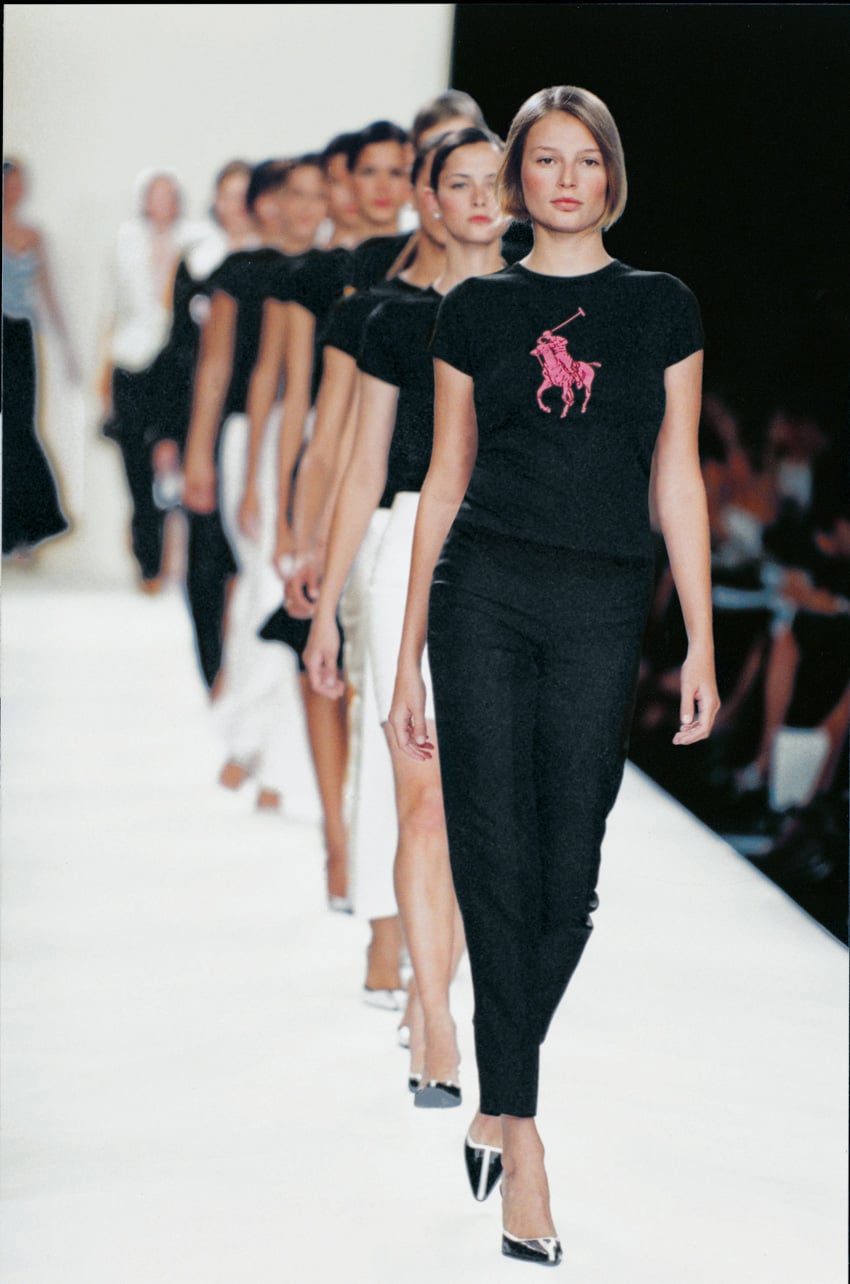
BM: There are also so many classic pieces associated with the brand, number one being the polo shirt, which he has iterated thousands of times, one of my favorite being the tie-dye.
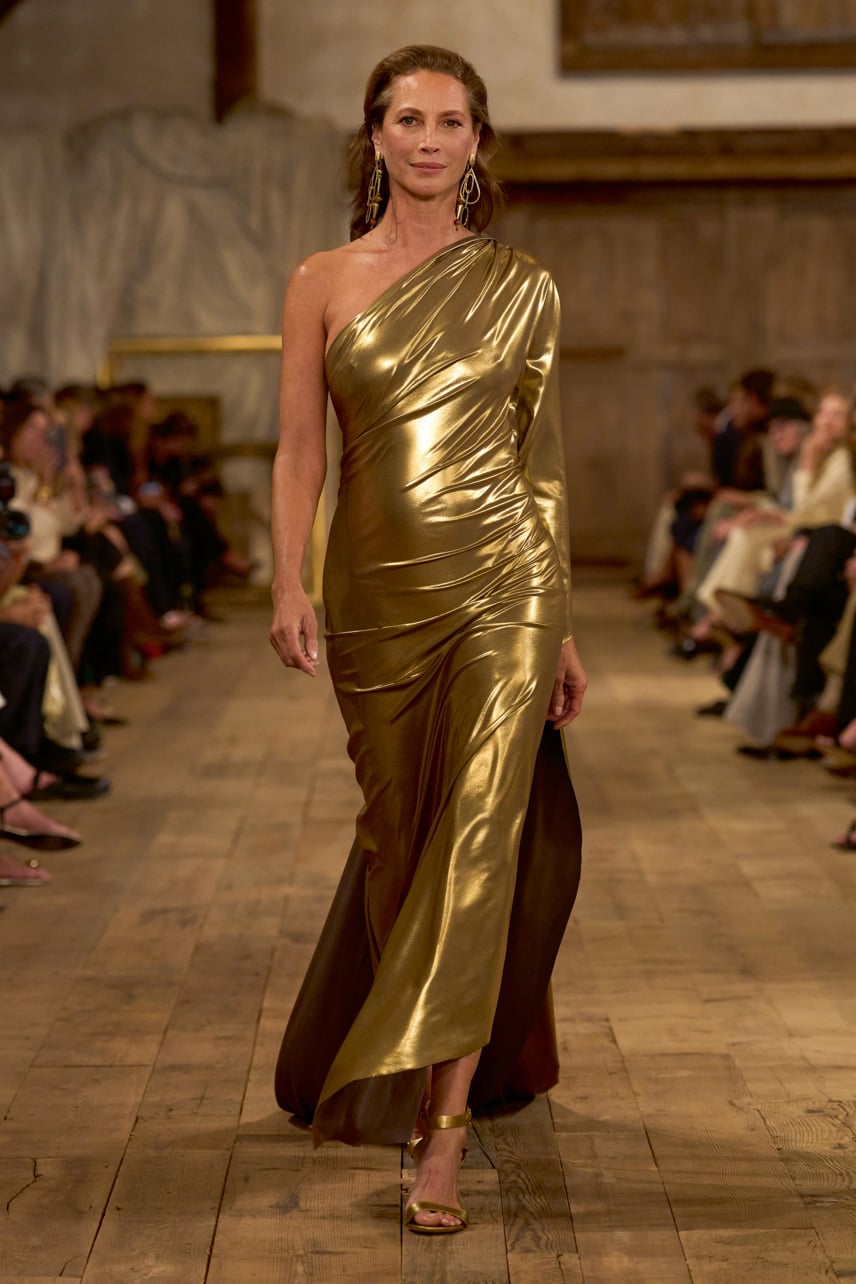
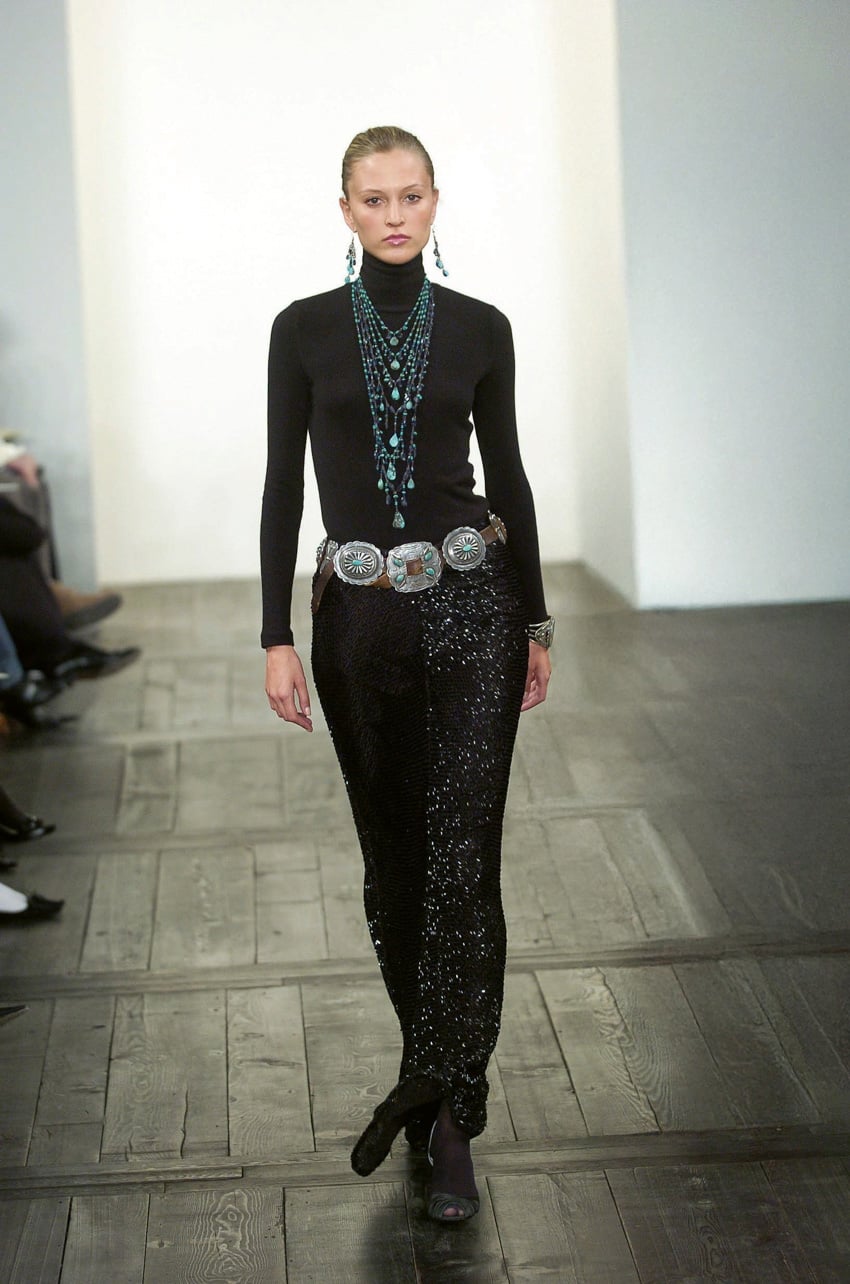
BF: One of my favorite manifestations was when he extended the classic polo shirt to a black sequined evening dress. Ralph had a vision for the polo shirt many years ago. He has this anecdote of having gone into a store for a Lacoste, one that would fade with age, and they only had four colors. He said, “Is this all you have?” Yes. “Will it fade?” No, this is the latest polyester. It wasn’t what he wanted in a shirt; he wanted something that would show the wear and the love, and that was one of the triggers of him launching the polo shirt, which he did in 17 original colors.
BM: I was looking back at all these wonderful pictures in the book and realizing just how much he influenced the way I dressed. All through high school, even if it wasn’t his exact item that I could afford, it was preppy or Western. And then the denim bustle skirt and country floral jacket I wore for my wedding rehearsal dinner by a covered bridge. I was so influenced by the romance of his storytelling.
BF: There are so many things that Ralph did just because he believed in them. Craft was important to Ralph very early on. There was the show with the sampler sweaters, and the one with the cottage quilt patchwork skirts. When he showed those in the 1970s, he took some heat from conservationists. But they were discarded and no longer of use as home items, and he repurposed them for skirts and jackets. This was perhaps one of the more impractical things he’s ever done because when they were shipped, they were all unique, obviously, but there was a note suggesting that for repair, send [them] to this particular restorer in Massachusetts. So, it was very specific, but the point is that he recognized the value in repurposing and not throwing things away. He wanted his clothes to look better with time, and to be passed down for generations. The word sustainability was not even in the vernacular at the time.
BM: That element of craft, now we see it in a thousand brands, but using the runway to elevate those forms of American folk art was really significant.
BF: He also used the runway to elevate clothes for every day in a manner that was unprecedented, showing looks that were sporty and utilitarian—and high-function. That was him creating the modern lifestyle concept. There was one show in the ‘70s where he incorporated hunting, fishing, and lumberjack clothing, and there was that 1995 Polo Sport show where Bridget Moynahan rollerbladed down the runway. It was so much fun, but to me, that was really the idea of registering that everyday clothes are worthy of attention.
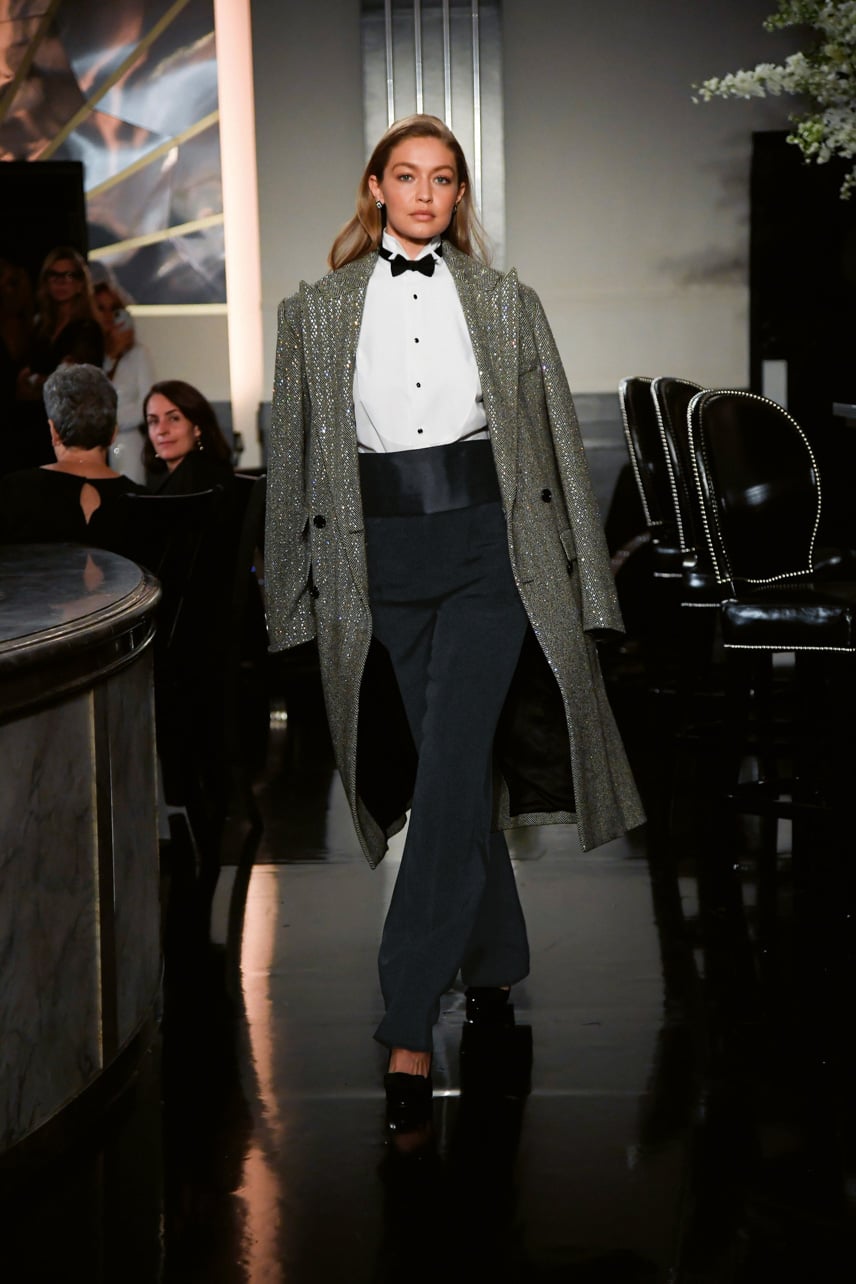
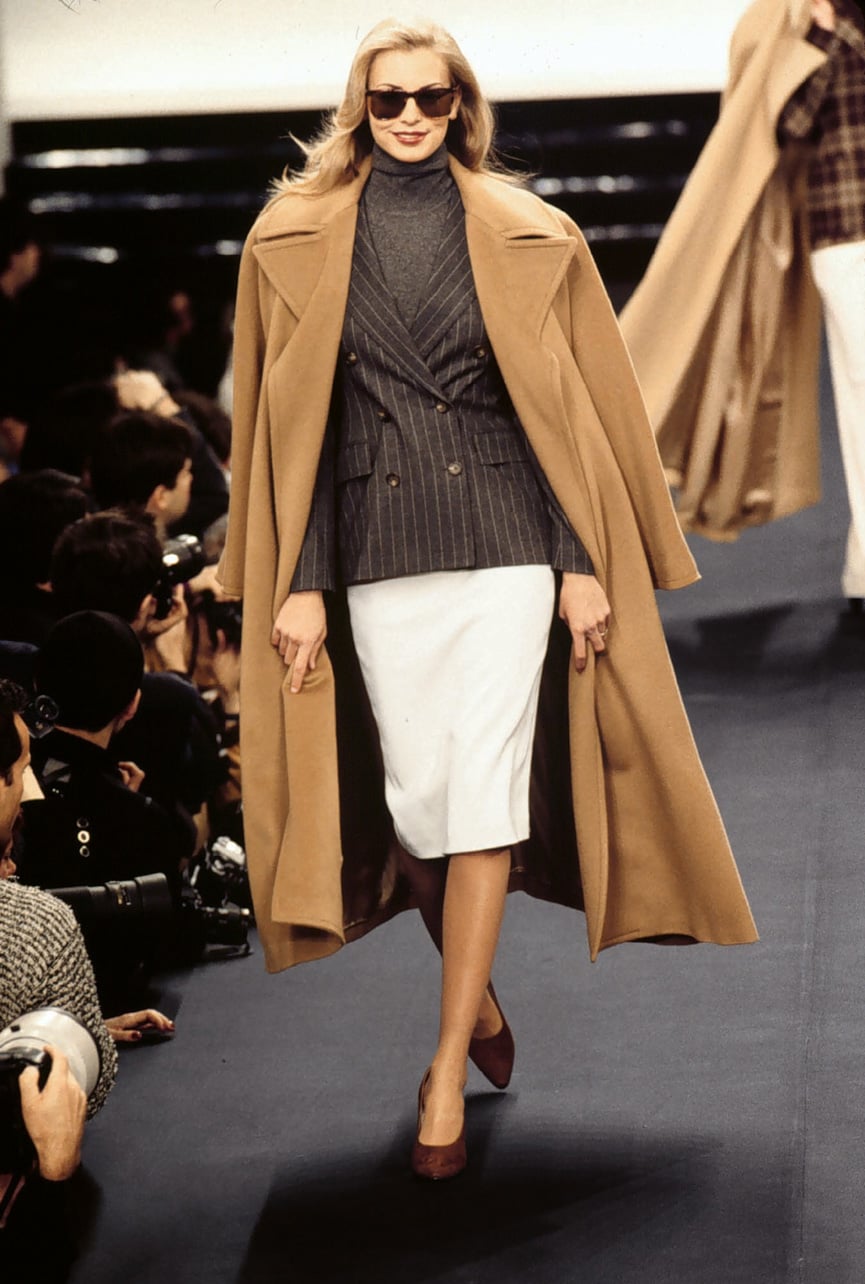
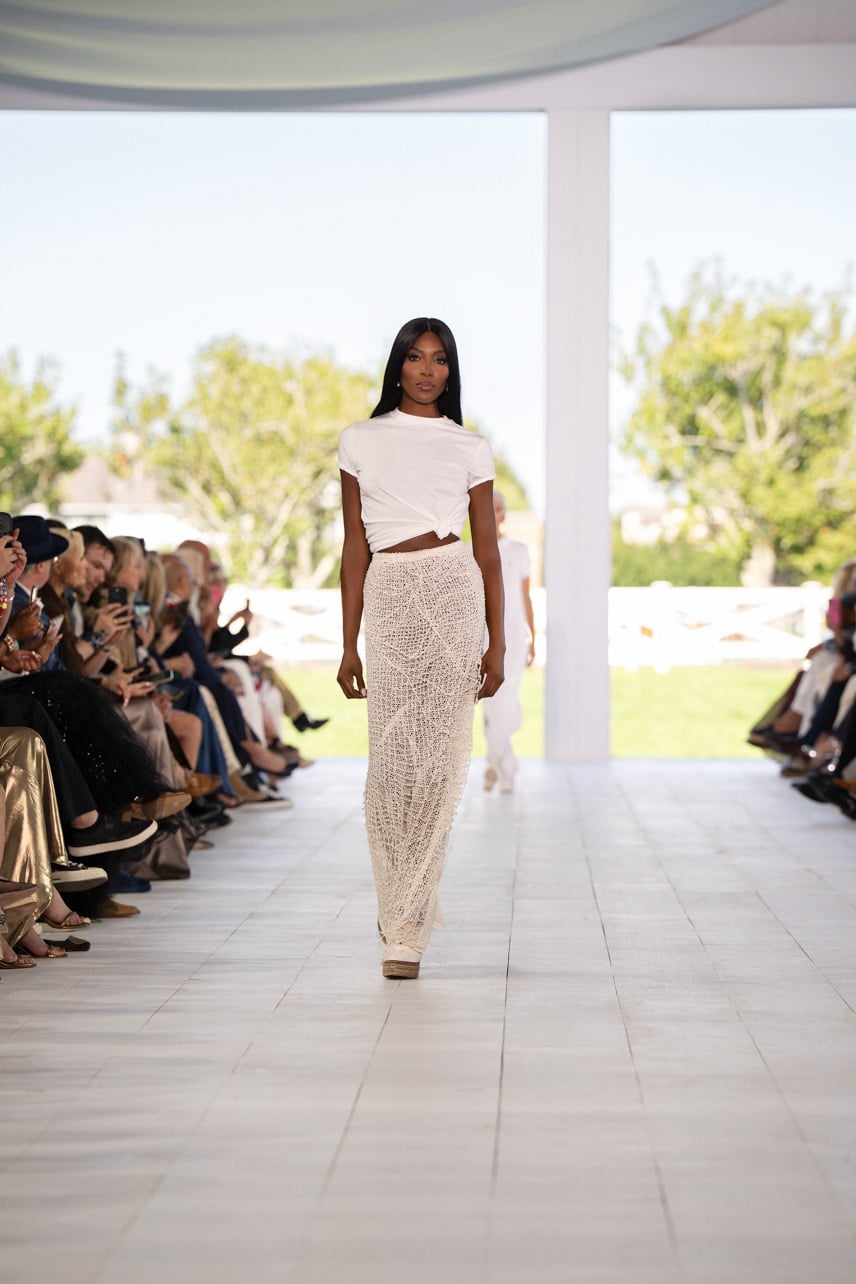
BM: In editing this book, looking back over all the runway shows, do you feel like there were turning points?
BF: Fall 1974 was the first time he introduced the Western concept to women’s wear as part of the collection (and later went big with it in 1978). WWD published 3 or 4 pictures that were very British equestrian–inspired, with full skirts and all. Then there’s this throwaway line in the overall positive review that called referred to those looks as “bizarre at best.” I love that so much because we’ve all made the wrong call on things. That word bizarre could have made some designers never go near that theme again. Ralph runs back to it, and look where it’s gone.
BM: What are your favorite memories? I have many from the 50th—being on the trolley with Ken Burns going into Central Park, shaking hands with Hillary Clinton during cocktails.
BF: I loved the Janelle Monáe moment where she’s going barefoot on the tables. And the 9/11 show was so moving, it was one of those kismet moments where the collection had been designed long before, and yet it seemed so right for the moment, a combination of gentility and grit. And then the Bridgehampton show. I loved the clothes—there was that gorgeous ombre blue dress, the child in the flag sweater—and yet it wasn’t about the clothes; it was about family and inclusion and happiness and spending time together.
We closed the book with that show about the entirety of the world and all the casualness Ralph Lauren represents, then 180 degrees within the Ralph Lauren sphere to Fall 2025, an intimate show at the Jack Shainman gallery in Tribeca that was hyper-focused on the clothes and the craft. It reflects some of our overarching themes, the contrast of masculine/feminine, rugged and refined. I love that we close on those two shows that were so different, each one consummately Ralph Lauren, and both really, really good.
All images courtesy of Ralph Lauren