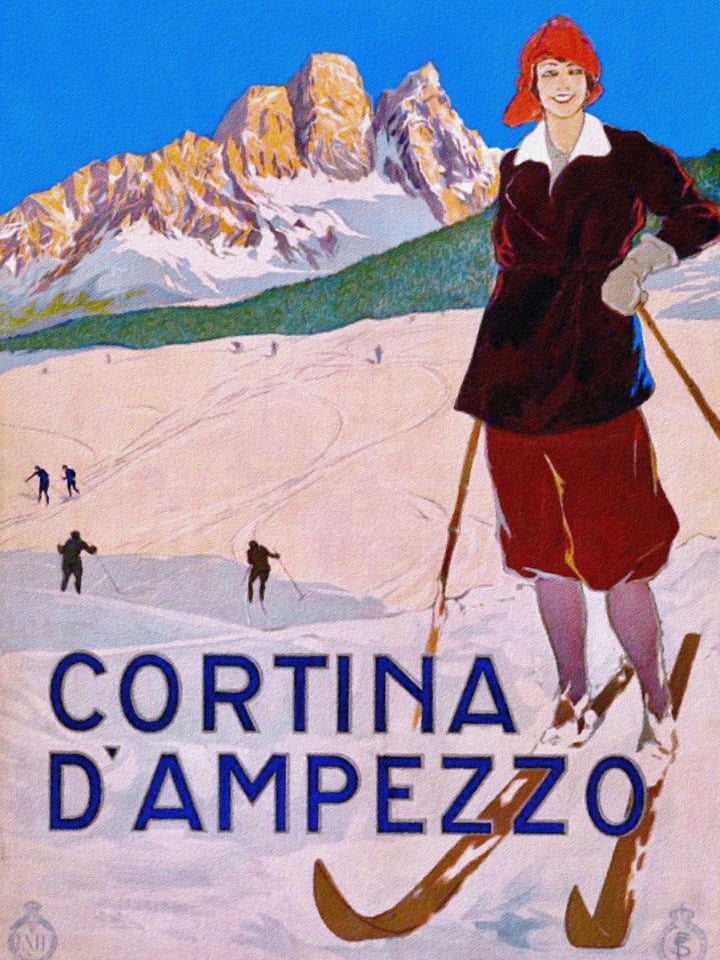
Next month, Cortina’s rich history of winter sports will return to the spotlight as it hosts the Olympic Winter Games. Illustration by Joe Vella.
The Olympic Winter Games are back in a big way. For more than four decades, organizers have experimented with untested first-time venues and far-flung hosts like Russia, South Korea, and China. But for 2026, sports-loving travelers are rejoicing as the games return to Italy, a proven—and beloved—classic, for the third time.
There’s always a lot to love about Italy, from food to fashion to fine hotels. This time, however, it is extra special, because these games are not just for spectators. The crowds and logistics of the Olympics usually force leisure skiers out of the region, but the 2026 Games, from Milan to Cortina d’Ampezzo—Italy’s chicest ski town—will offer watching the Olympics while enjoying a ski vacation.
The games are officially known as Milano Cortina 2026, and the two title venues are more than 200 miles apart. Which one you choose depends on what sports you prefer to watch, but both include great opportunities to actually get out on the snow.
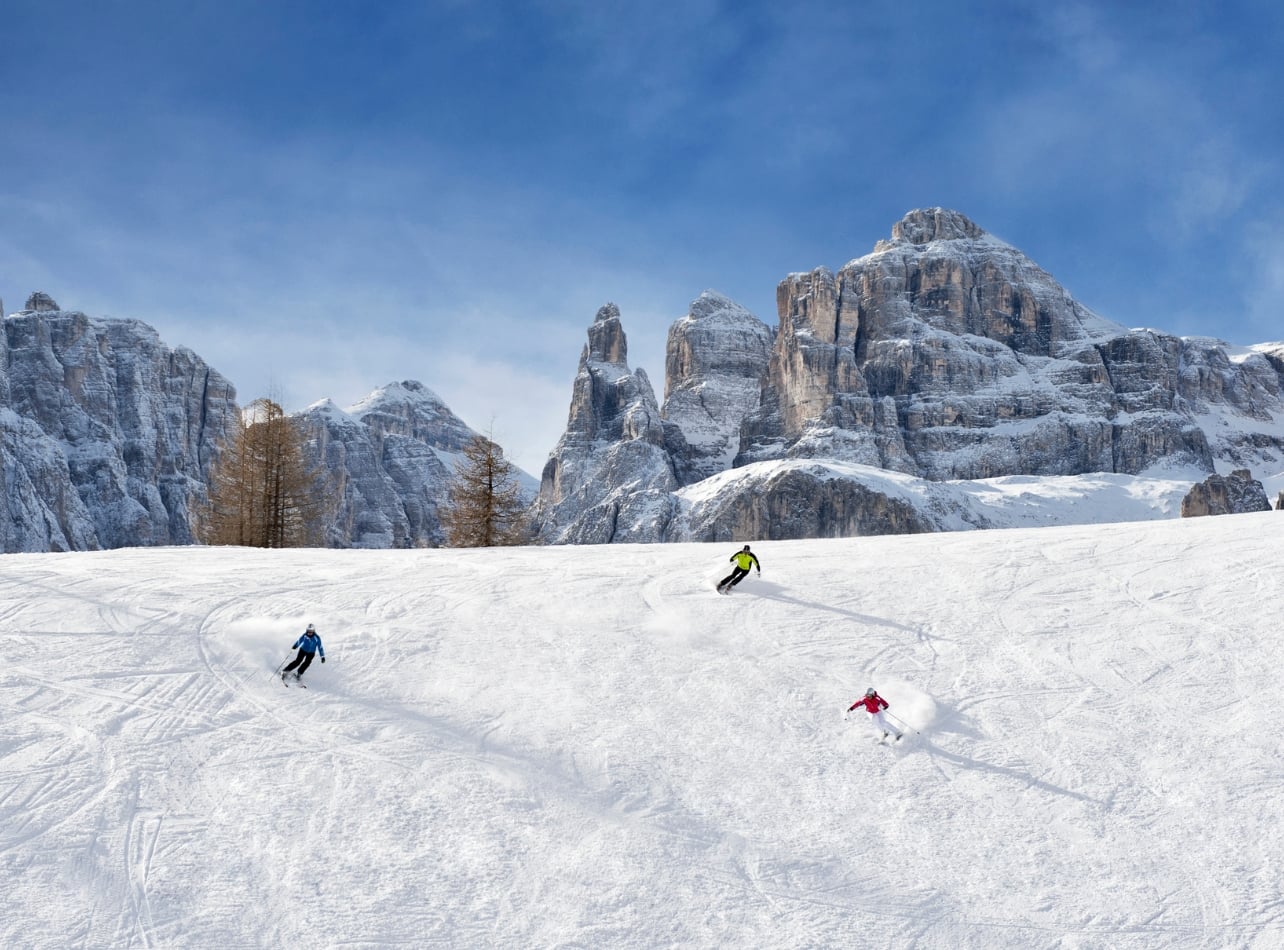
New to the Dolomites region is Aman Rosa Alpina, located just outside Cortina. Courtesy Aman Rosa Alpina.
The Dolomites, surrounding Cortina, are better suited to those seeking a skiing-intensive visit, while Milan excels at convenience and urban charms that can be combined with an out-of-town excursion to the slopes.
Milan will host the major stadium events, such as figure skating, speed skating, and hockey, plus the high-profile opening ceremony at the city’s most famous sports venue, San Siro, the “Temple of Football,” home to both AC Milan and Inter Milan, as it celebrates its 100th birthday in 2026. A few weeks later, the closing ceremony will be held in Verona, near Cortina, at Italy’s third-largest Roman amphitheater, built two thousand years ago. Cortina itself will host America’s winningest skier, Mikaela Shiffrin, and all of the Women’s Alpine ski races, along with curling and sliding sports (luge, skeleton, bobsled). Nordic skiing events will also be in the Dolomites, in nearby Tesero. Men’s alpine skiing and snowboarding are scattered among venues in far northern Italy, near the Swiss border, a long way from either Milan or Cortina, and with less infrastructure, and therefore not as conducive to a luxurious Olympics vacation.
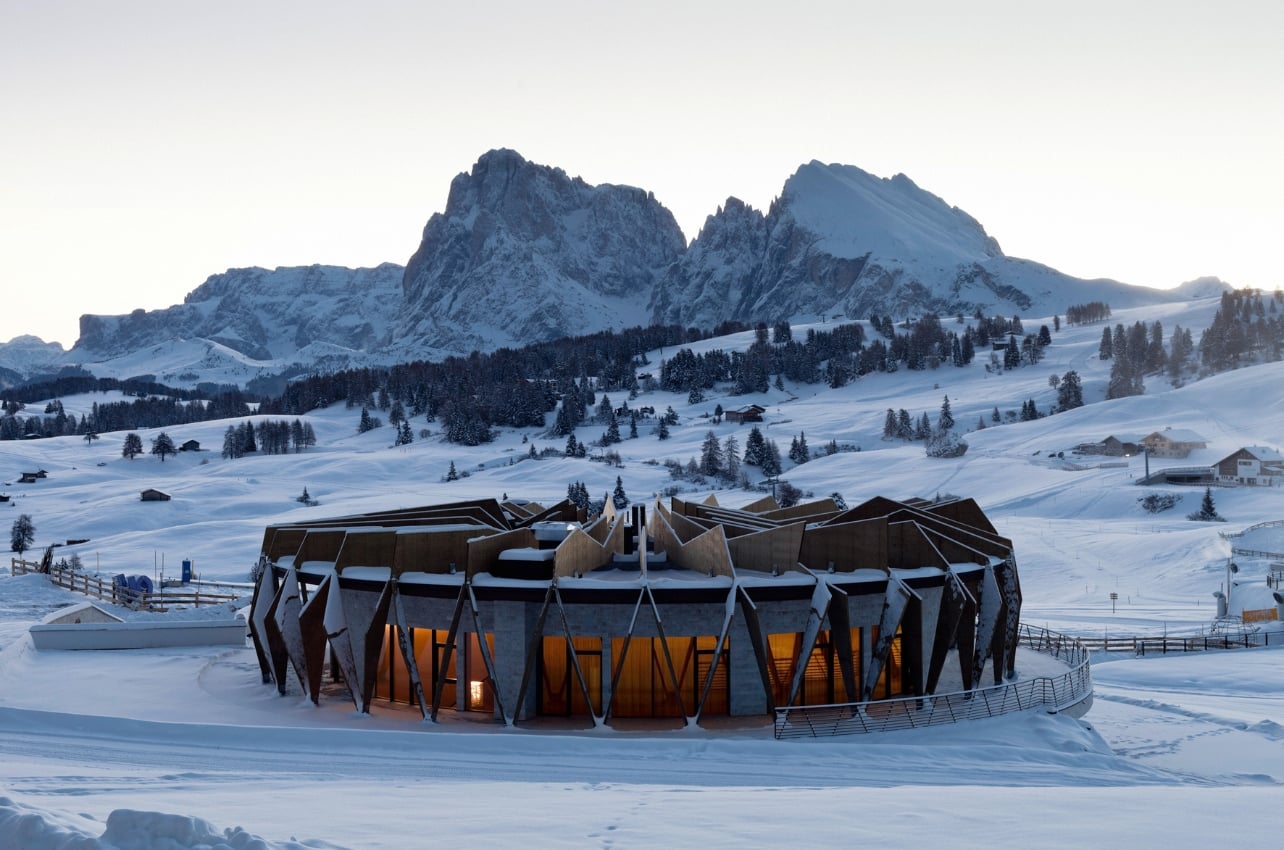
The Chalet Suites at COMO Alpina Dolomites. Courtesy COMO Alpina Dolomites.
Cortina & The Dolomites
Roughly midway between the international airports of Innsbruck and Venice, Cortina is in the Dolomites, a UNESCO World Heritage Site and one of the most strikingly beautiful mountain landscapes on the planet. The region is named for the sedimentary rock found here, with soaring natural towers, cliffs, and massifs at every turn. It is home to Dolomiti Superski, the second-largest interconnected ski resort on earth (after France’s Courchevel/Trois Vallees) with a dozen adjacent ski and snowboard resorts linked together by one of the world’s most modern and efficient lift systems. More than 400 lifts, including numerous gondolas, trams, and high-speed six- and eight-passenger chairs, serve 700-plus miles of trails, all of which can be enjoyed without ever taking your skis or snowboard off (except to board gondolas, of course). The network is a large circle that spans two major valleys, Val Gardena and Alta Badia, which in turn contain countless charming small villages and a dozen larger towns, each with standout lodging and dining, all ski-in/ski-out.
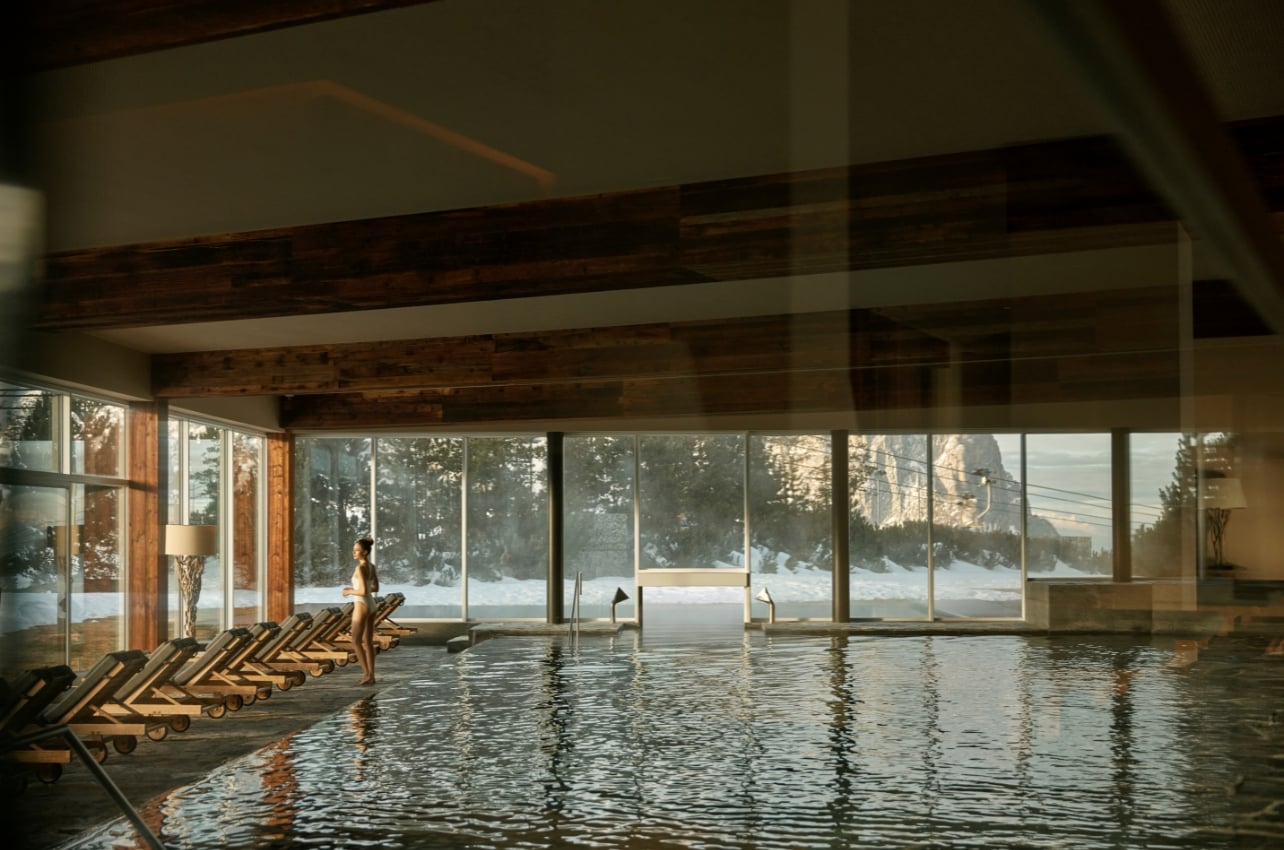
The COMO Alpina Dolomites’ Shambhala spa is the ultimate in aprés-ski indulgence.
Cortina itself sits on the periphery, just outside the main circle, but is connected directly to the vast lift network, so while much of the town’s lodging will be taken over by Olympic officials, sponsor company executives and the biggest national teams, it will still be possible to stay in a wonderful traffic-free mountain town such as Corvara, Ortisei, or San Cassiano and ski right into Cortina. When visitors are not attending events, the skiing is so vast that it will thin out, and you could be on slopes 30 miles outside Cortina without having to take any sort of shuttle.
Notable new hotels include Mandarin Oriental Cortina; Aman Rosa Alpina just outside Cortina, alongside the slopes in the charming small town of San Cassiano; and the COMO Alpina Dolomites (from spa-centric Singapore-based COMO Hotels and Resorts), which sits atop the stunning Alpe di Siusi, Europe’s highest Alpine plateau.
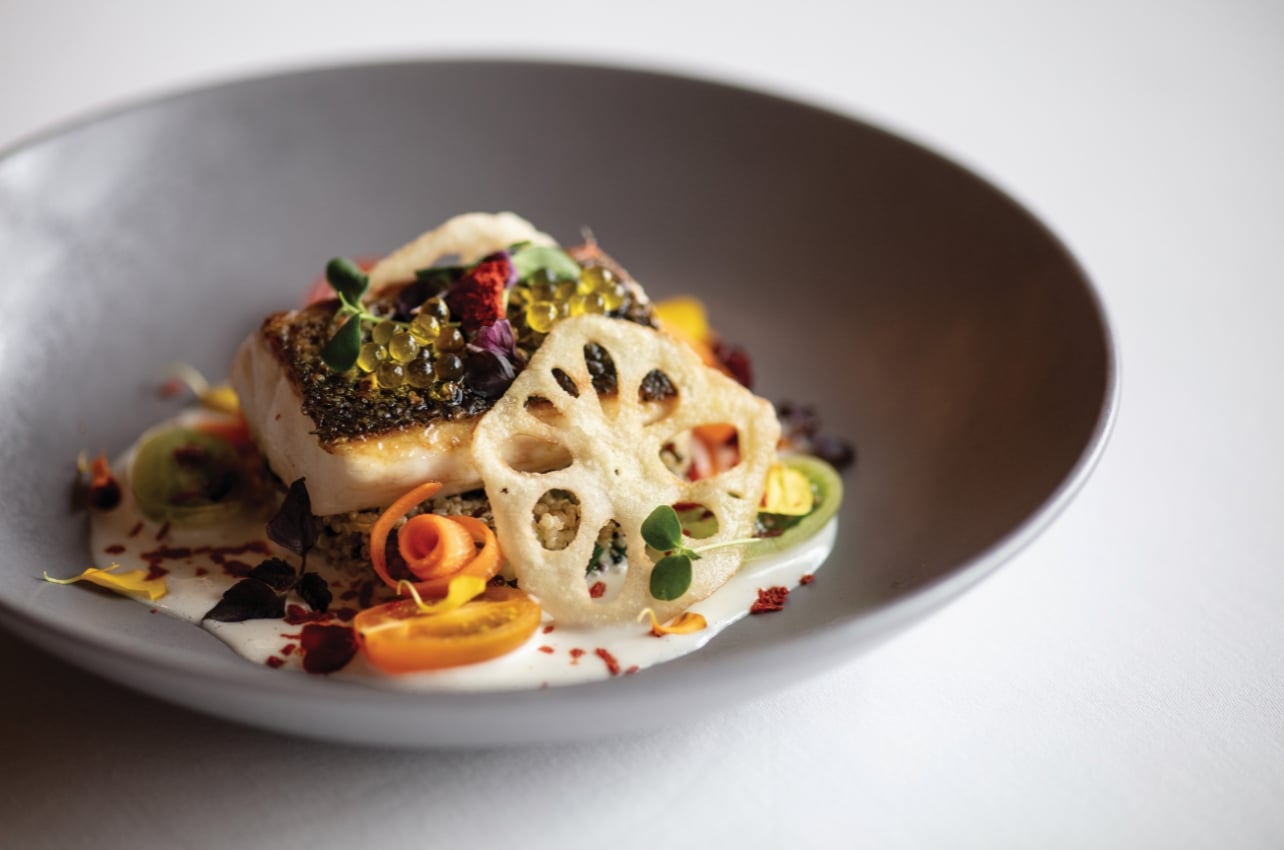
A dish from Trattoria Dell’Alpe, one of four restaurants at the COMO Alpina Dolomites.
Dining in Cortina during the games will be challenging, but the town’s top restaurants with a focus on authentic regional cuisine include Tivoli, SanBrite, Ristorante Ospitale, Dolomiti Lodge Alverà, and Baita Piè Tofana. For years, the most famous chef in the Dolomites has been Norbert Niederkofler, and after his legendary three-star restaurant, St. Hubertus, closed at the Rosa Alpina for the property’s conversion to Aman, he opened an-in-town spot in Brunico, Atelier Moessmer—and quickly earned another three stars from Michelin.
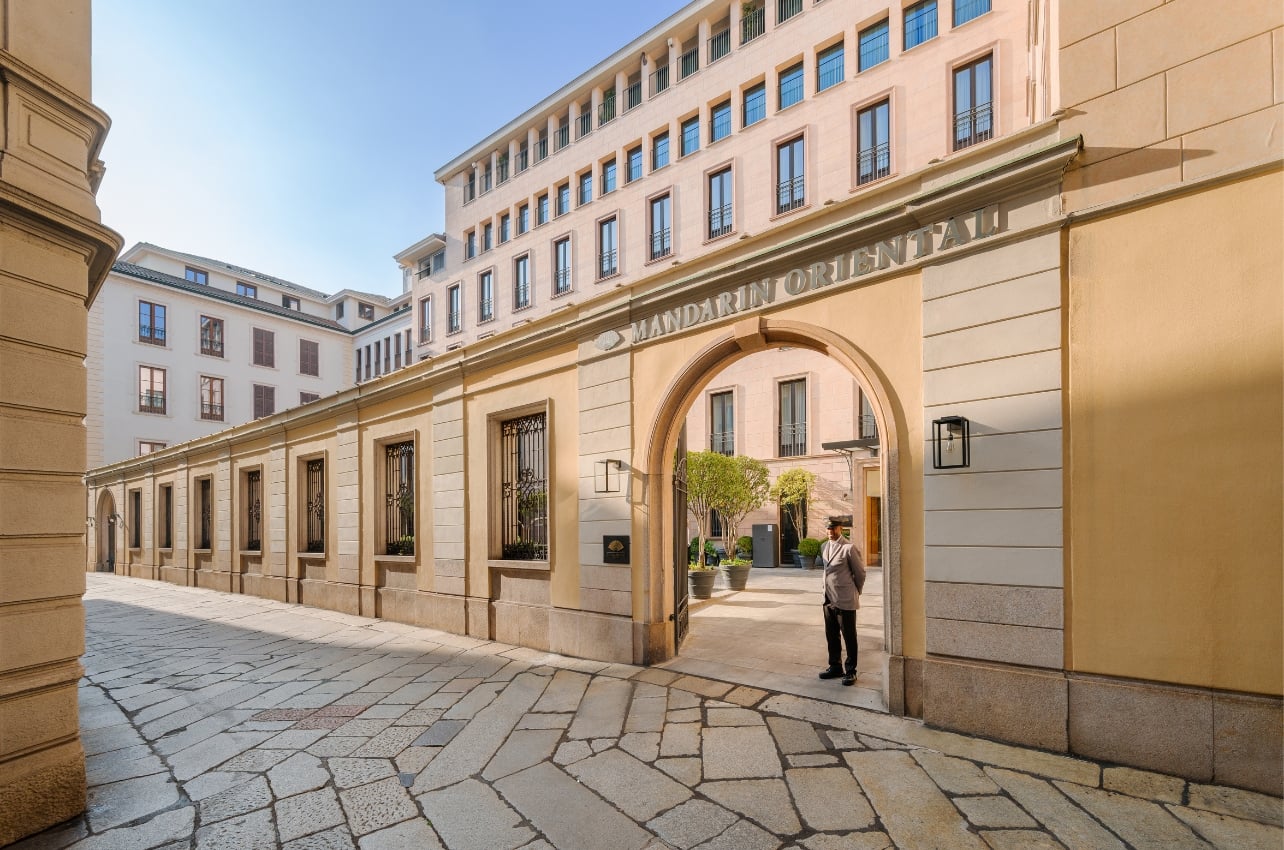
The recently opened Mandarin Oriental in Milan.
Milan
Compared to the rural Dolomites, Milan is much more straightforward for visitors in many respects, especially getting there, as it is a major international airport. The city is full of great hotels and dining venues, from the highest end to street food. But the skiing proposition is a little more challenging, though less crowded during the games than around bustling Cortina.
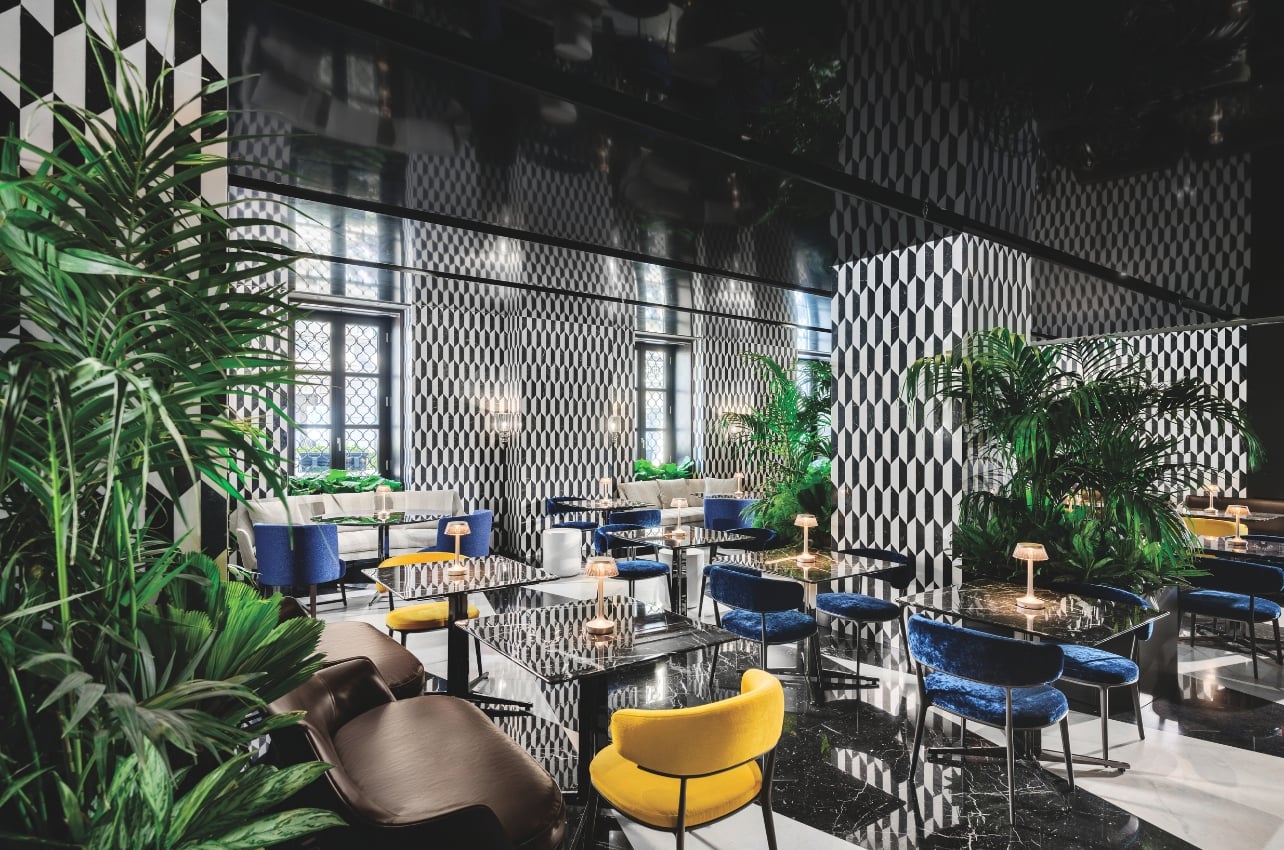
The Mandarin Oriental’s Mandarin Garden is the ultimate gathering place for cocktails.
The Aosta Valley is the place the Milanese head for skiing on weekends, with numerous resorts and stunning views of the iconic Alpine peaks, Mont Blanc and the Matterhorn. Pila is a hidden gem mountain just 90 minutes outside downtown, with over 40 miles of trails and famously short lift lines. The best known choice is Cervinia, which as one of the highest resorts in the Alps has moved into the climate-conscious spotlight for its more reliable snow conditions. The base area is above 6,000-feet and slopes stretch to over 11,400 feet, higher than almost every US resort. It also is connected by lifts to Switzerland’s Zermatt across the border. However, as it is a two-plus-hour drive, most visitors opt to stay overnight. The top choice is the award-winning Hotel Hermitage.
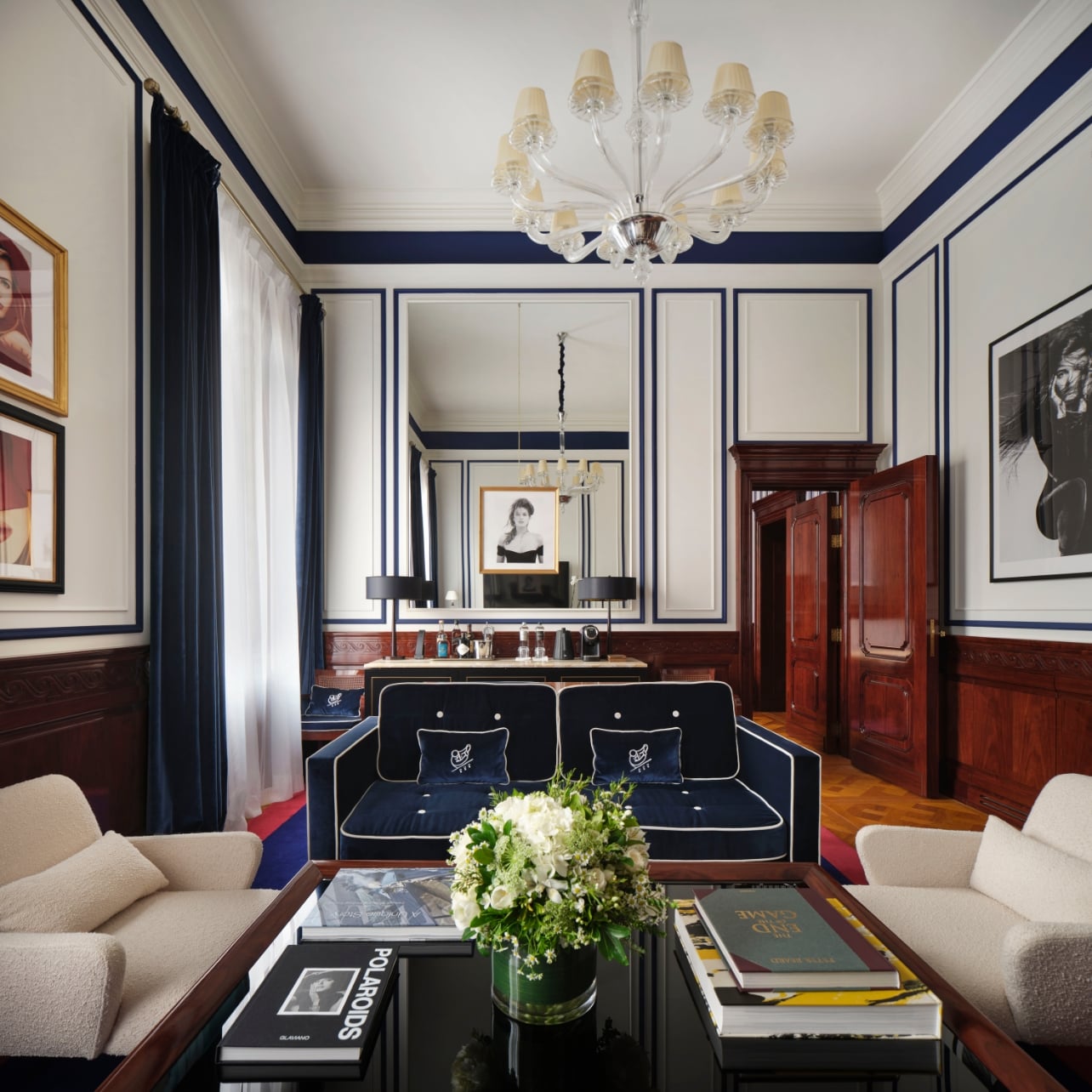
The Executive Suite at Casa Cipriani Milano.
Back in Milan, there is no shortage of luxury lodging: the Four Seasons Hotel Milano, in the heart of the “Golden Quadrangle” designer fashion district; the Mandarin Oriental; Casa Baglioni; Park Hyatt Milano; Casa Cipriani Milano; and the Dorchester Collection’s Hotel Principe di Savoia. The city is also home to a trio of top-tier fashion-forward options: the Armani Hotel, Bulgari Hotel, and Portrait Milano, part of the Ferragamo family’s Lungarno Collection.
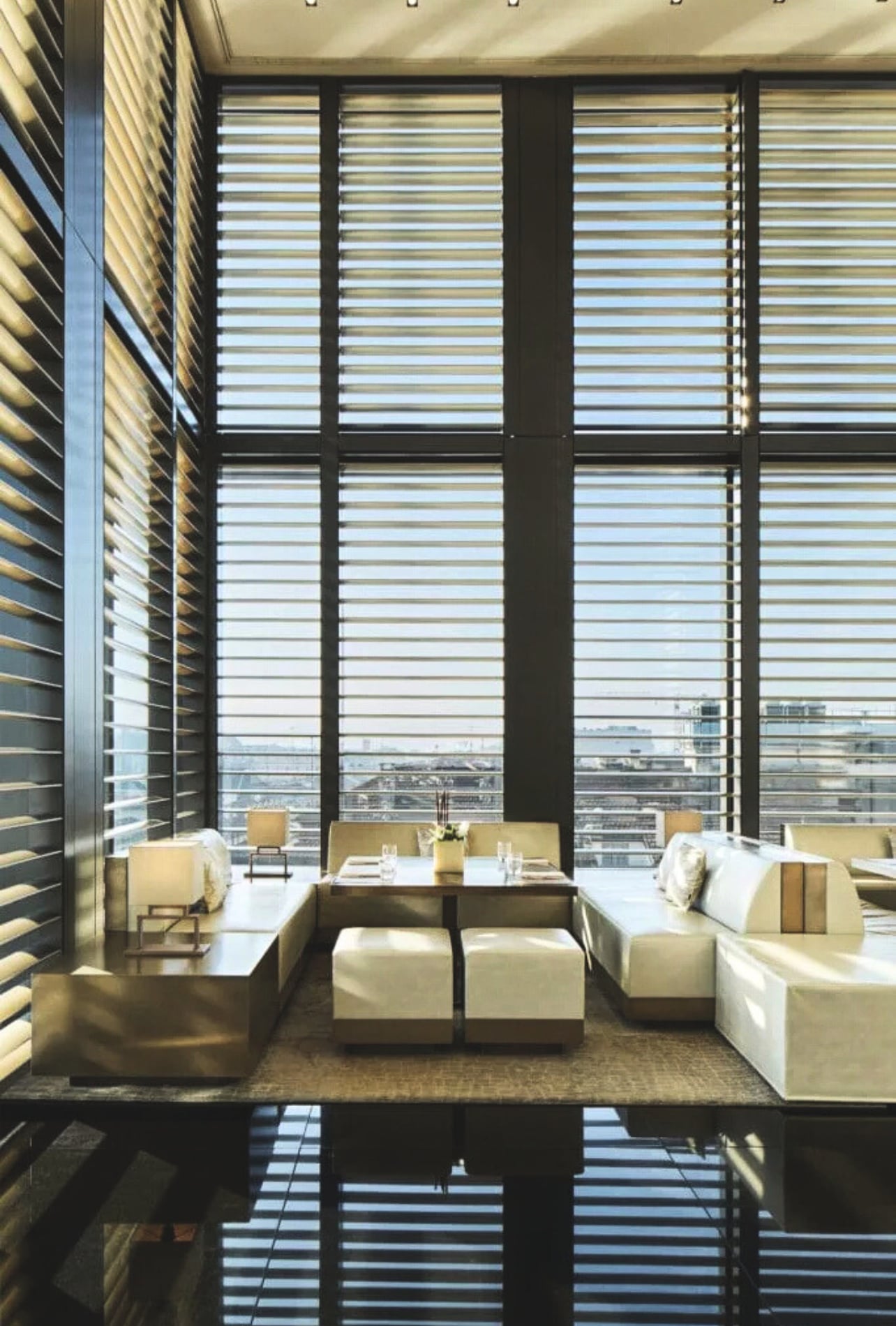
The Bamboo Bar at the Armani Hotel.
When it comes to fine dining, Milan offers 16 Michelin-starred eateries: The Mandarin, Armani, and Casa Baglioni all have starred restaurants, with Seta at the Mandarin earning two, and one three-star venue, Enrico Bartolini al Mudec. But the big news lately has been Horto, helmed by three-star Dolomites chef Norbert Niederkofler, with a hyperlocal sourcing ethos, using ingredients from within an hour of Milan. Other recently opened hot spots include Cucina Franca, which has quickly become locally beloved for its very reasonable seven-course tasting menus of contemporary takes on Italian classics, and laid-back Creda, at the forefront of a home-cooking revival, with grandma-style dishes using elevated ingredients in a neighborhood trattoria vibe.