By Tanvi Chheda
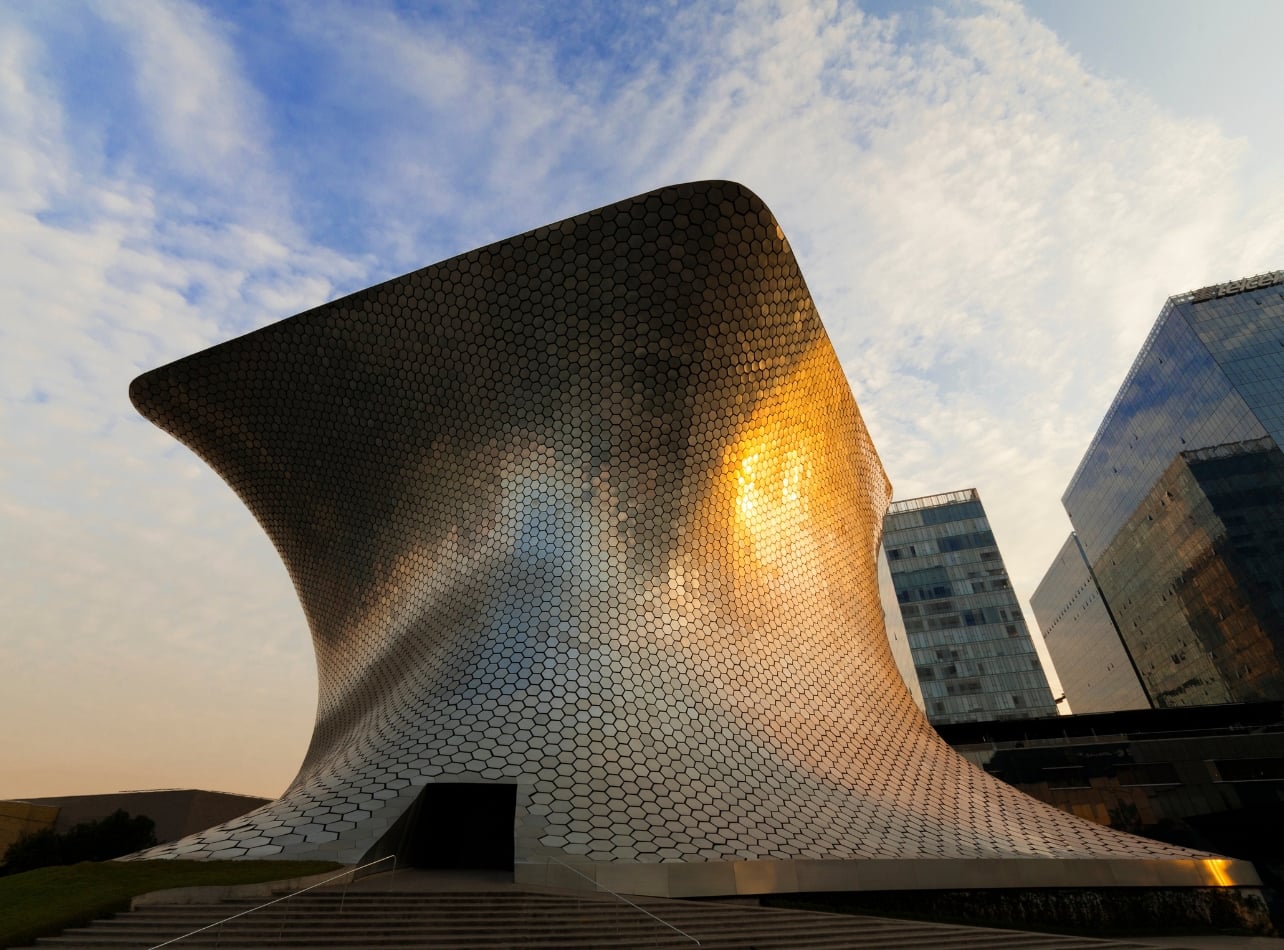
The Museo Soumaya houses the expansive art collection of telecom mogul Carlos Slim Helú. Photo courtesy of Museo Soumaya/Fundación Carlos Slim Helú.
A sprawling metropolis of 22 million, Ciudad de México (CDMX), is as vibrant as it is vast, juxtaposing a rich cultural heritage with fresh energy that’s, frankly, boundless. The city’s contemporary art and food scenes easily rival those of any global destination. Since 2003, CDMX has played host to Zona Maco, Latin America’s most prominent art fair. (Some 200 galleries from 29 countries attended the fair this past year.) From art to history to culture, there are more than 150 museums: among them, the outstanding National Museum of Anthropology—with must-see highlights such as a 25-ton Aztec calendar stone and colossal Olmec heads—in the heart of Chapultepec Park, the city’s green lung. Walkable, leafy neighborhoods such as Roma, Condesa, and Polanco are chock-a-block with charming cafes, rooftop bars, trendy boutiques, and galleries. From taco stands and El Moro churro vendors to swanky Michelin-starred eateries, there’s deliciousness at every turn. Renowned chef Enrique Olvera’s Pujol and see-and-be-seen Contramar remain staples, but newcomers (Em, Expendio de Maíz, Makan, and more) abound. If you haven’t yet been, winter is the perfect season, with cooler temps and abundant sunshine.
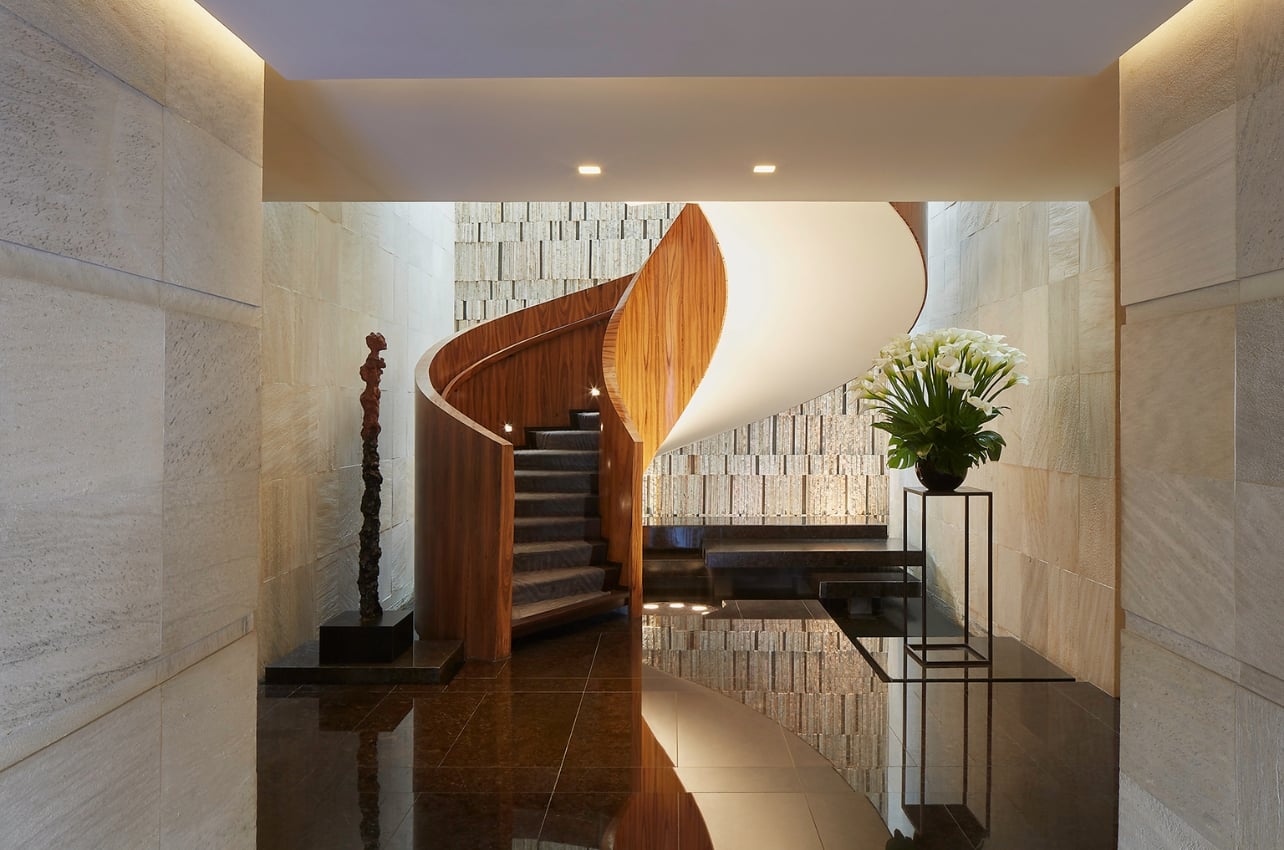
In Polanco, Las Alcobas is a charming alternative to some of the city’s larger hotel chains.
Day 1
Wheels up With dozens of nonstop flight options from major US cities, getting to Mexico City should be quick and easy. Bonus: Fly time is under four hours in most cases.
Check into There’s no shortage of luxury hotels across CDMX, including familiar brands such as The Ritz-Carlton and St. Regis, but opt for the quieter Las Alcobas, which translates to the alcoves, in the posh, tree-lined neighborhood of Polanco, instead. With interior design by famed duo Yabu Pushelberg, the jewel-box hotel features 35 contemporary rooms and suites outfitted in rich hardwood, woven leather, and marble. Complimentary minibar goodies (think Mexican tamarind candies, chili-flecked dried mango, and local chocolate) are a thoughtful touch. A seasonally driven restaurant, Anatol, which attracts as many locals as it does travelers, and the on-site Aurora Spa (try the Mayan Healing Ritual featuring mud from a crater in the Yucatan Peninsula) round out the offerings.
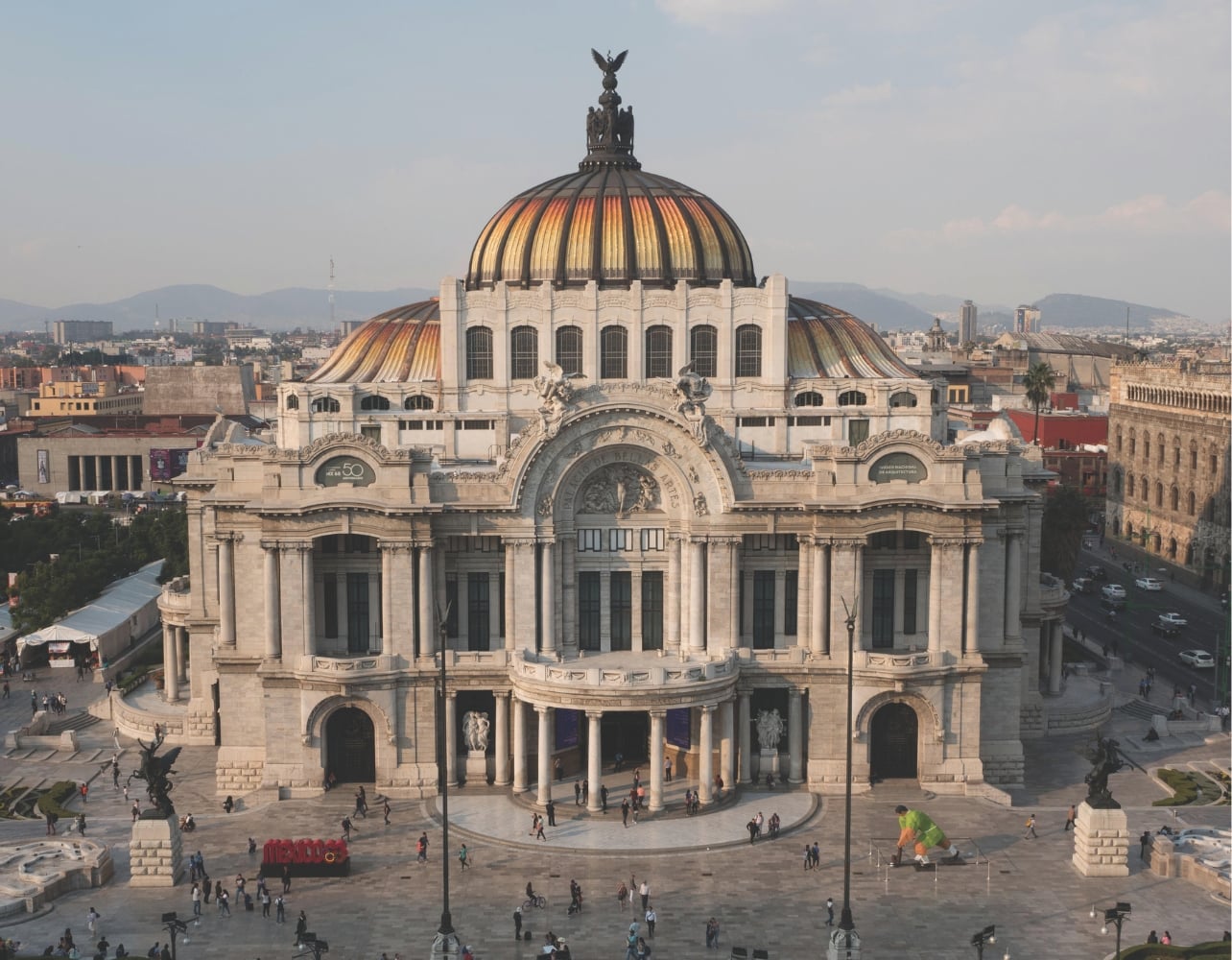
Mexico City’s Palacio de Bellas Artes; photo by Peter Tsai.
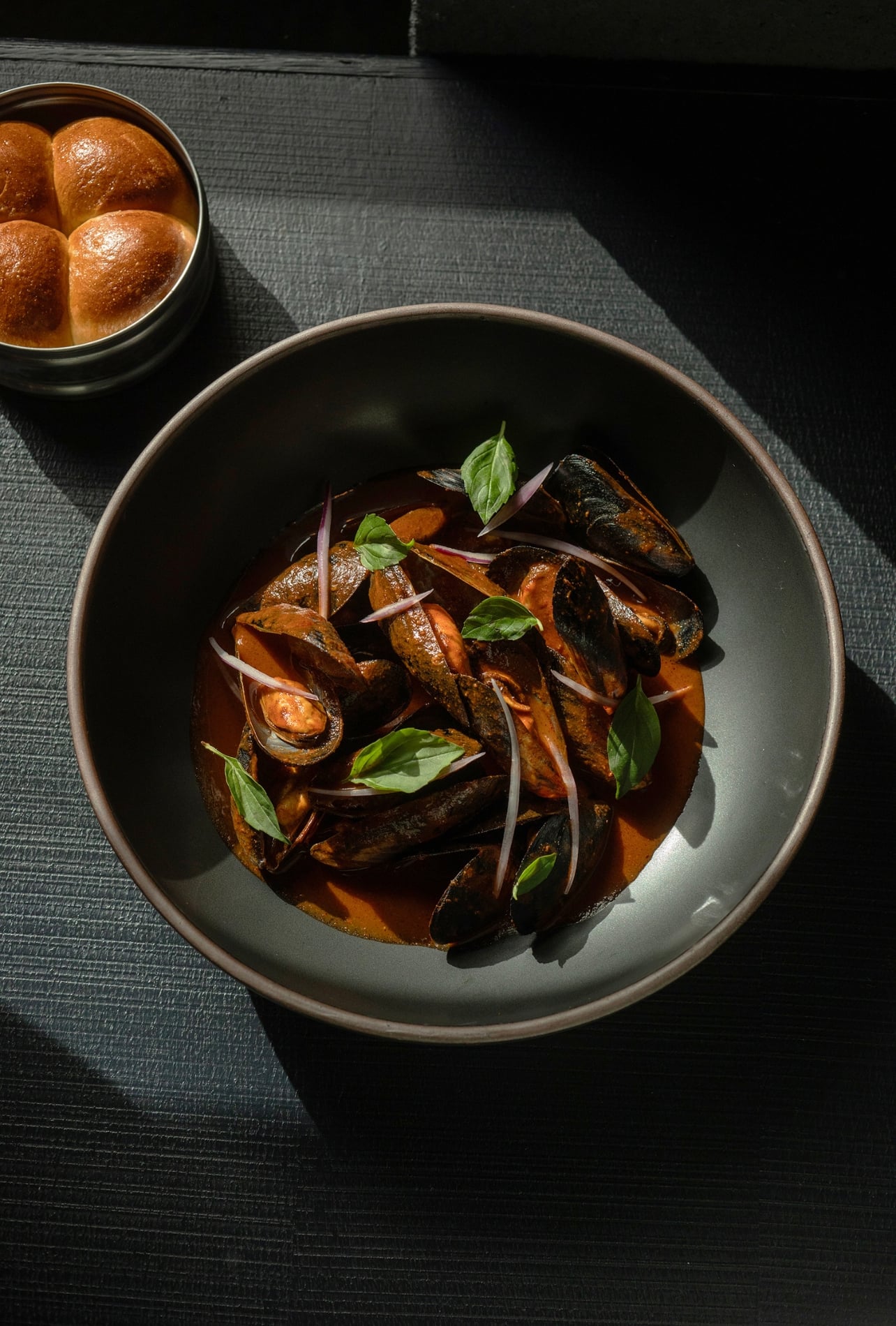
Balchao mussels at Masala y Maíz; photo by Ana Lorenzana.
Art appreciation A short ride from the hotel is the glittering Museo Soumaya, encased in 16,000 hexagon-shaped mirrored aluminum tiles and housing the immense art collection of telecom mogul Carlos Slim Helú. Once inside, ogle works spanning from pre-Hispanic Mesoamerica to European impressionism to 20th-century Mexican artists. Don’t miss the substantial collection of Rodin sculptures either: Slim Helú’s late wife, for whom the museum is named, had a particular admiration for the French sculptor.
Flavor bomb Inventive dishes await at Masala y Maíz, in the Cuauhtémoc neighborhood. Recently awarded a Michelin Star, the concrete-clad restaurant skillfully melds Indian, Mexican, and East African culinary traditions, a reflection of chef-owners Saqib Keval and Norma Listman’s own cross-cultural marriage. Dig into the infladita chaat, a puffed hollow tortilla filled with beans, potatoes, and beets, drizzled with tangy chutneys, and garnished with Mexican herbs. Other standouts are the sweet-and-spicy chile relleno stuffed with tender eggplant and greens, and a spicy Balchao mussels. Wash it all down with the aromatic Rooh Afza, made with tequila blanco, Campari, pineapple, and rosewater.



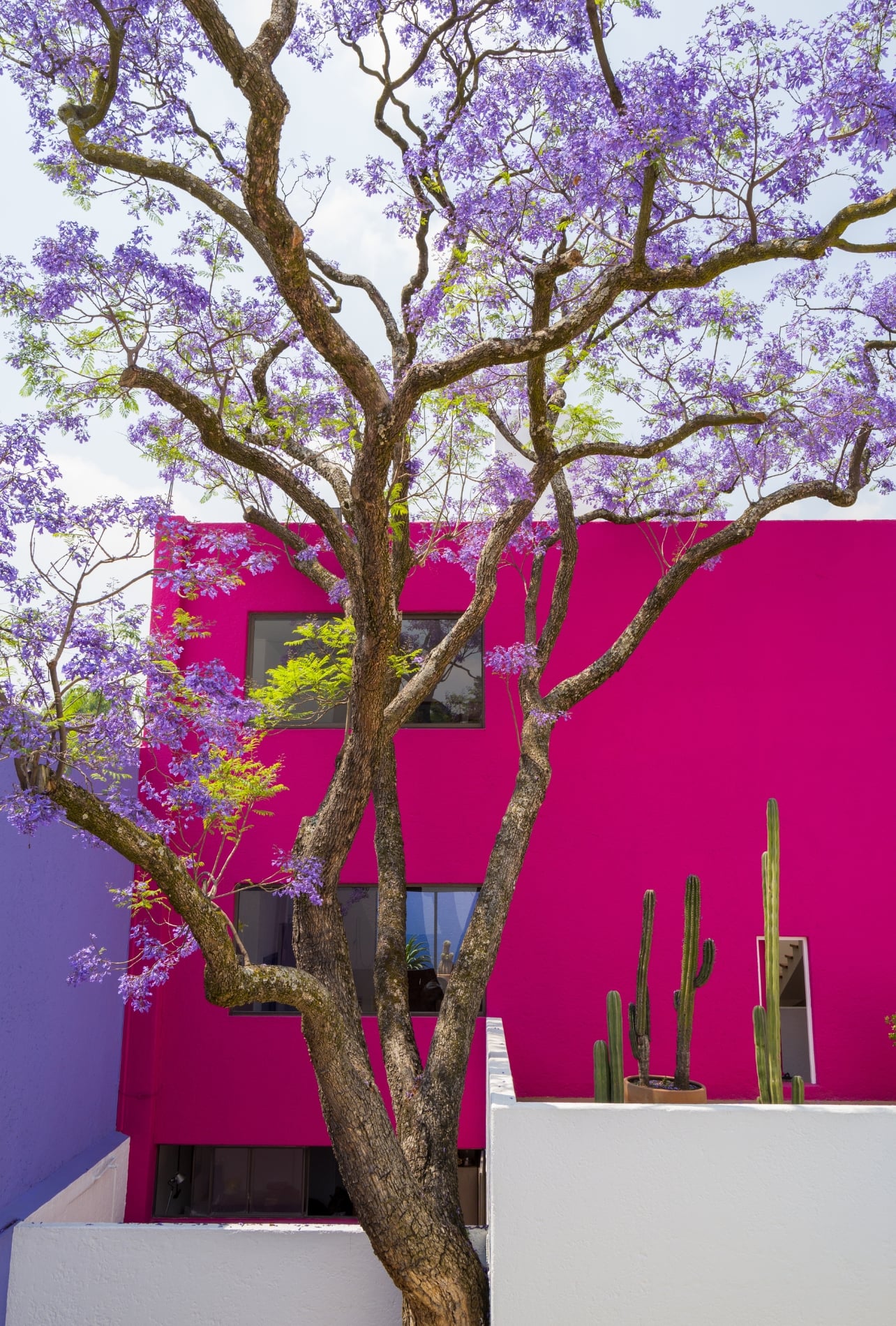
The Casa Luis Barragán museum, the architect’s former residence and studio; photo by David Benhaim/Ready Go Pictures.
Day 2
Lay of the land Join a private tour with Context Travel for a crash course in Mexican history as you walk about Zócalo, the city center. Learn about ancient Aztec rituals and daily life at the Templo Mayor ruins (once the main temple of the Aztec empire when the city, built on a lake, was known as Tenochtitlan). Visit the Metropolitan Cathedral, the first to be built in the Americas after the Spanish arrived. Finish at the stunning and much-photographed Palacio de Bellas Artes, which features several breathtaking murals in its upper stories, including Diego Rivera’s controversial Man, Controller of the Universe. The thought-provoking mural depicts a central figure at a crossroads, contemplating scientific progress alongside the competing forces of capitalism and socialism.
House call Mexican architect Luis Barragán’s work is renowned for its seamless blending of modernism with Mexican sensibilities. When the Guadalajara native won The Pritzker Architecture Prize in 1980, his architectural style was described as “a sublime act of poetic imagination.” It’s an extraordinary treat, then, to visit the late architect’s own residence and studio, the UNESCO-designated Casa Luis Barragán. The interplay of light and vibrant colors lends an emotional quality to the minimal interiors. Meditative and serene, the beautiful home allows for solitude as well as connection, just as Barragán intended. Note: Tickets are limited; reservations are required.
Dinner with a view On the 56th floor of a mixed-used skyscraper that also houses The Ritz-Carlton, Ling Ling combines all the elements of a fun night out: gorgeous design; a lively atmosphere; creative cocktails; and delectable Asian bites such as sushi, dim sum (the asparagus dumplings are a must), and truffle-infused noodles. Not to mention a killer twilight view.

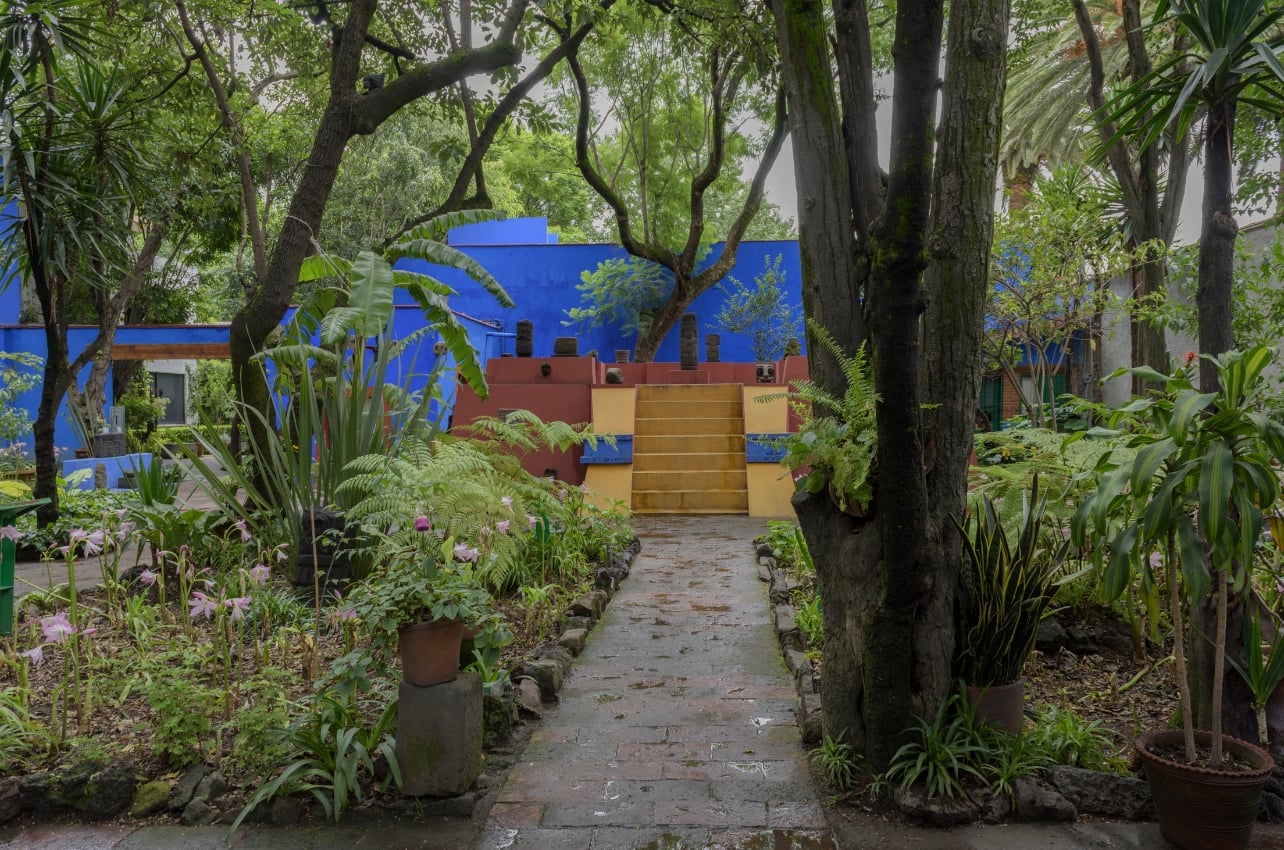
Museo Frida Kahlo, also known as Casa Azul, is the former home of the great Mexican artist. Photo by Bob Schalkwijk.
Day 3
Feminist icon Rise and tuck into a light breakfast before heading south to Coyoacán. Once a forested village where coyotes roamed, the area was eventually absorbed into the city’s urban sprawl. Today, it’s best known for the cobalt blue–painted Museo Frida Kahlo, or affectionately, Casa Azul, where Kahlo lived much of her life. The historic home–turned-museum invites visitors to step through the family living room, kitchen, and personal bedrooms as it chronicles the artist’s life in vivid detail—from her early childhood and the traumatic bus accident that changed the course of her life (and heavily influenced her art), to her marriage to Diego Rivera, and her death in 1954. Personal belongings such as paint brushes and easels; medicine bottles, corsets, and a wheelchair; kitchenware and textiles; still-life paintings and self-portraits, as well as alebrijes (miniature carved fantastical creatures) adorn the spaces. Advance timed tickets are required.
Afterward, stroll to the nearby Coyoacan market for dozens of food and craft stalls. Stop by the Trinidad Ritual de Sabores stall for salsa-drenched tacos and possibly the most delicious, marzipan-sweetened horchata in all of CDMX.
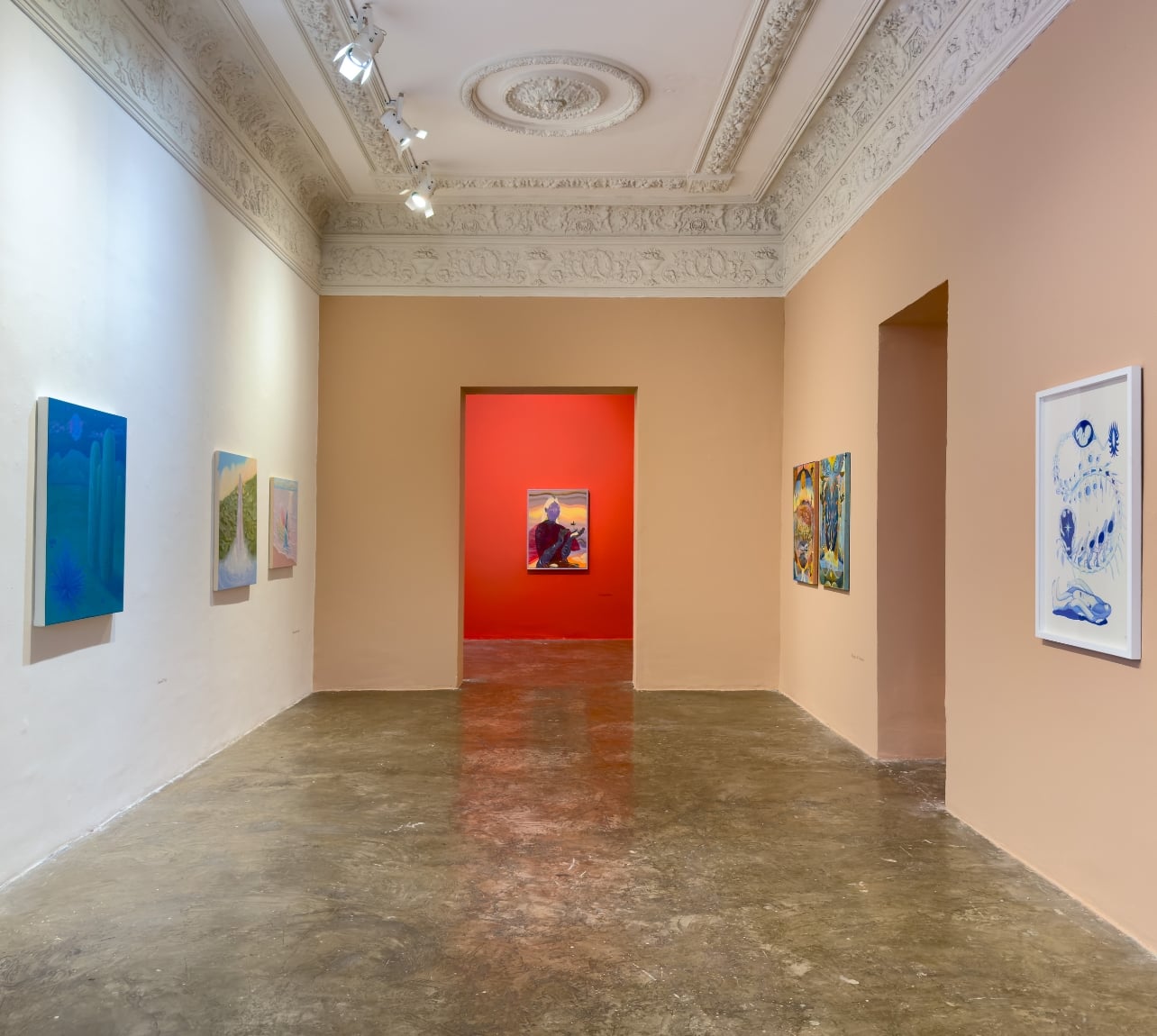
An installation view at MAIA Contemporary.
Gallery hop Mexico City’s contemporary art scene continues to proliferate. The Roma neighborhood is an ideal place to take in some of the greatest art of the moment: Start at OMR, founded by Patricia Ortiz Monasterio and Jaime Riestra in 1983, where the roster includes Rubén Ortiz Torres, Jose Dávila, and Pia Camil. Next, head to MAIA Contemporary Gallery, which is set within an elegant 19th-century mansion, and promotes emerging artists within Latin America, as well as some international talent. A little farther away and not to be missed is Galería Hilario Galguera, which represents an international roster of artists, including Bosco Sodi, Stefan Sagmeister, Daniel Buren, Damien Hirst, and John Copeland. It recently opened a second location in Madrid.


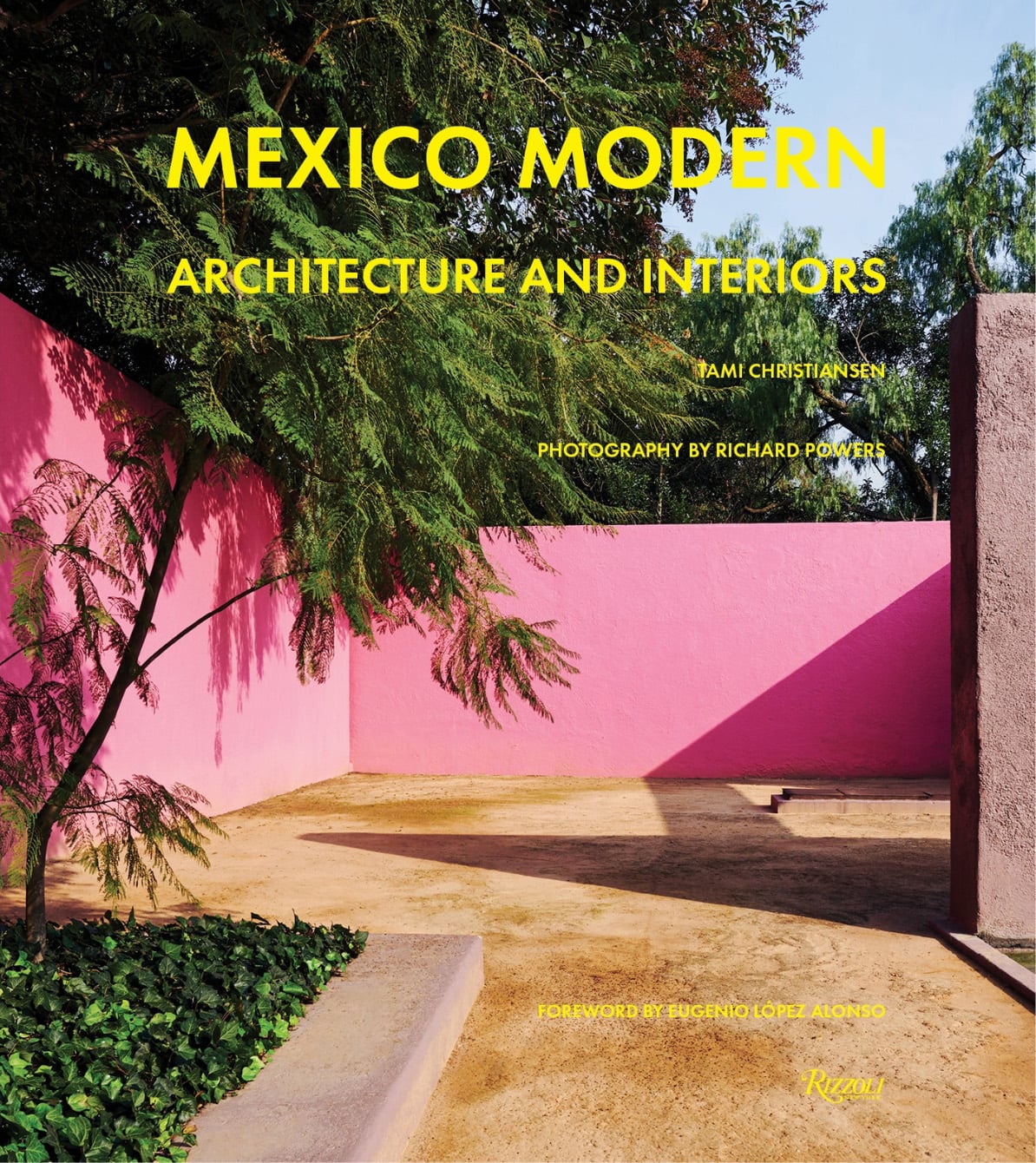
“Mexico Modern,” by Tami Christiansen, with photography by Richard Powers, is available at Books & Books.
Before You Go…
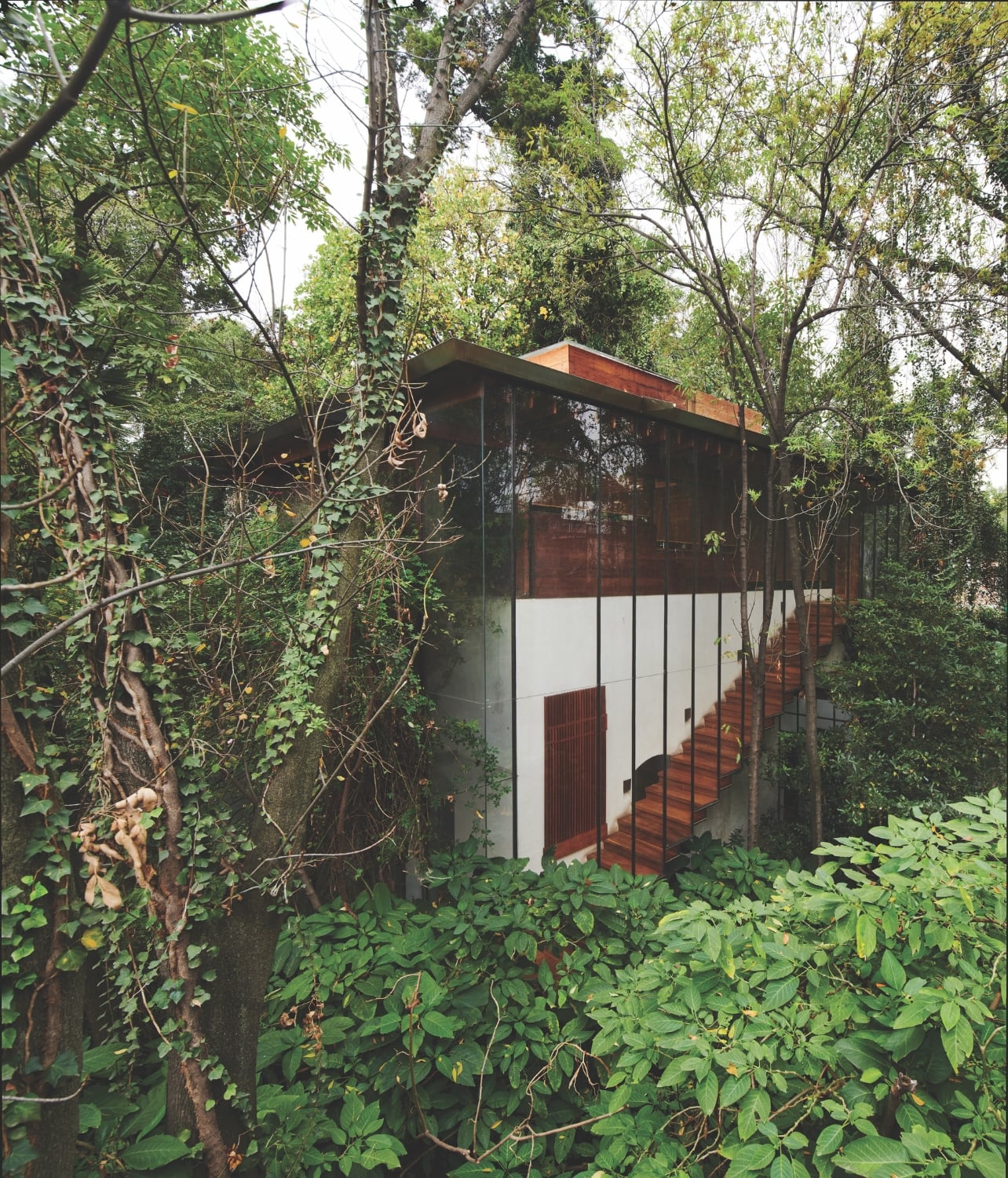
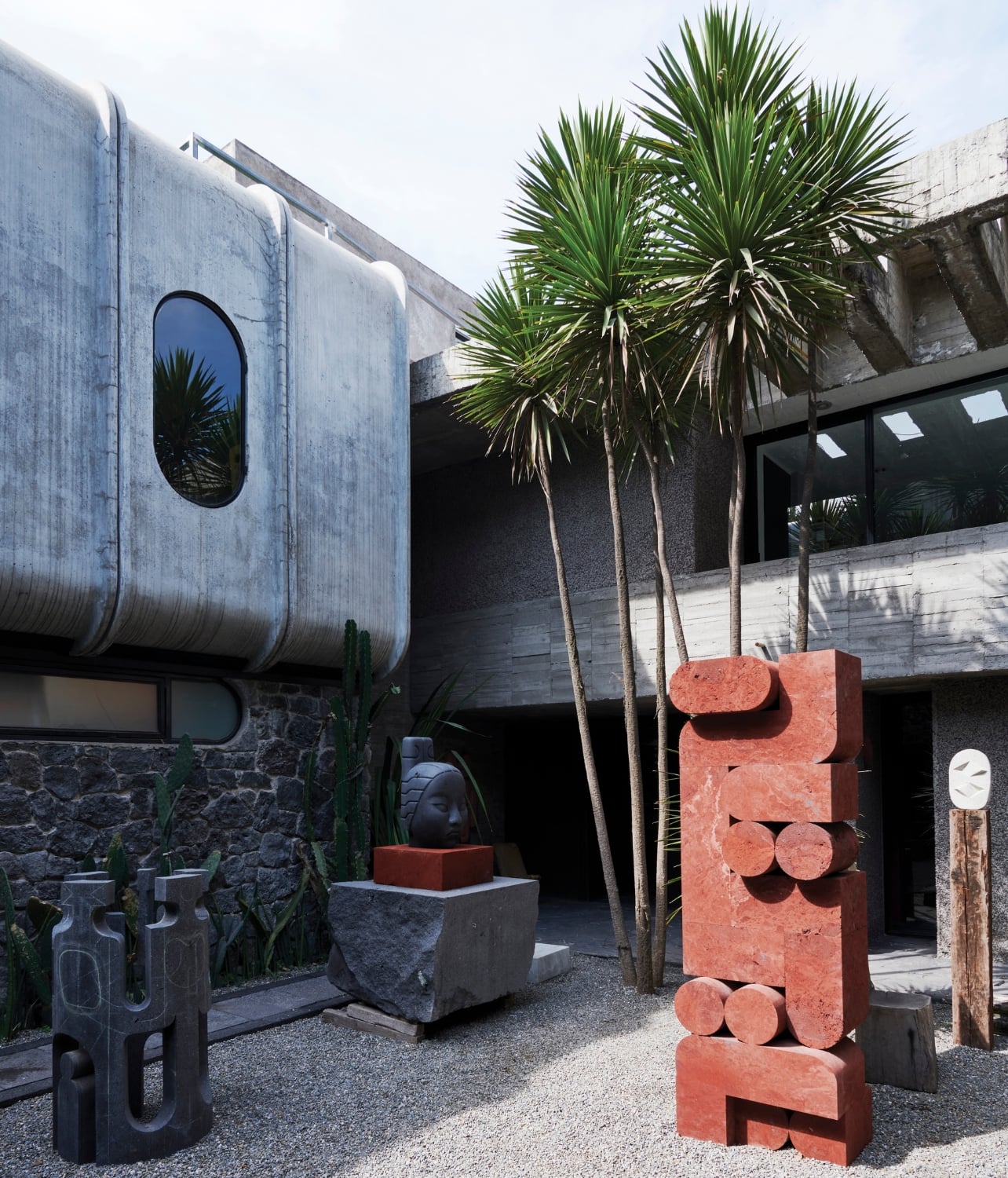
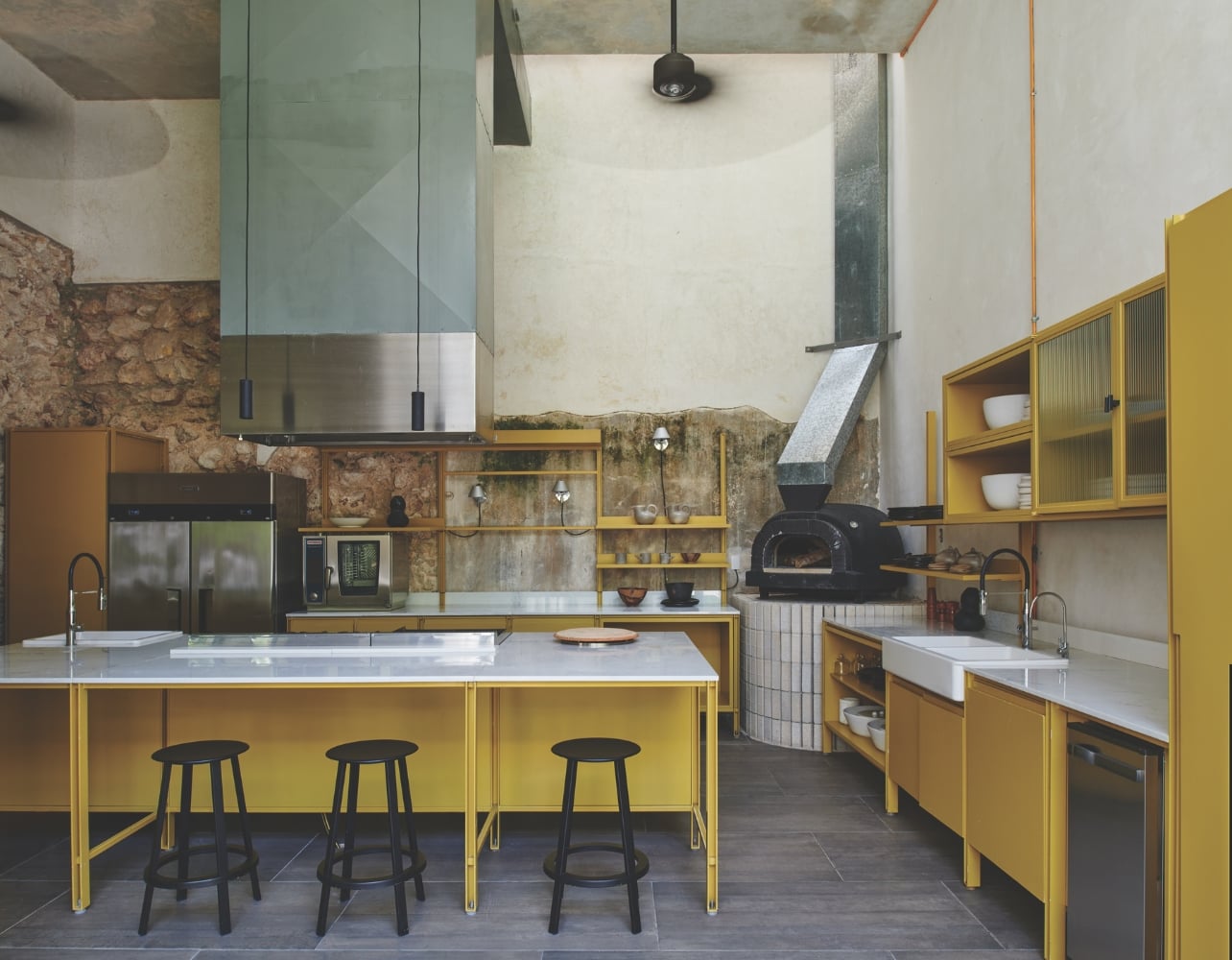
A new book from Rizzoli, “Mexico Modern: Architecture and Interiors,” is the perfect primer for your upcoming jaunt to Mexico City. Get to know some of the country’s greatest talents with this beautiful collection of photography by Richard Powers. All images © Richard Powers, courtesy of Rizzoli New York.