By Booth Moore
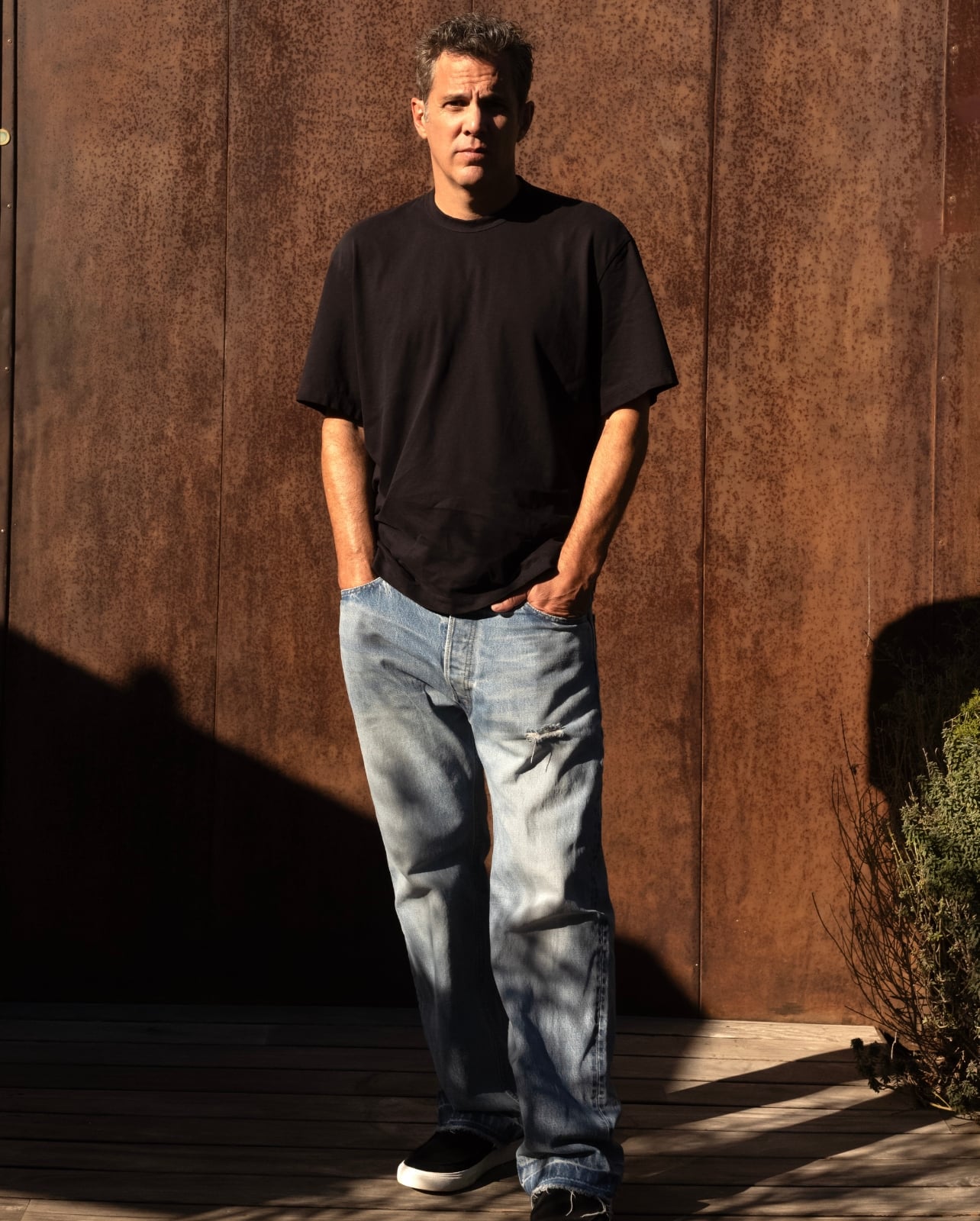
“When I can’t find it, that’s what I want to go create,” says designer James Perse, who opened his Bal Harbour Shops boutique in 2010. Portrait by Skylar Williams.
James Perse was selling lifestyle long before “California casual” became fashion’s global lingua franca. When he launched his namesake brand in 1996 with luxuriously draped, super-soft T-shirts and elevated basics, Perse instinctively understood that the relaxed, sun-and surf-drenched world of where he grew up in Southern California, filtered through a certain elegant restraint, was something people would want to live inside of, not just wear.
“It was mixing in the sophistication of the world of my father,” he says of taking inspiration from his dad, the influential retailer Tommy Perse, who opened luxury concept store Maxfield in 1969, bringing avant-garde European and Asian labels like Prada, Yohji Yamamoto, and Comme des Garcons to the LA market for the first time.
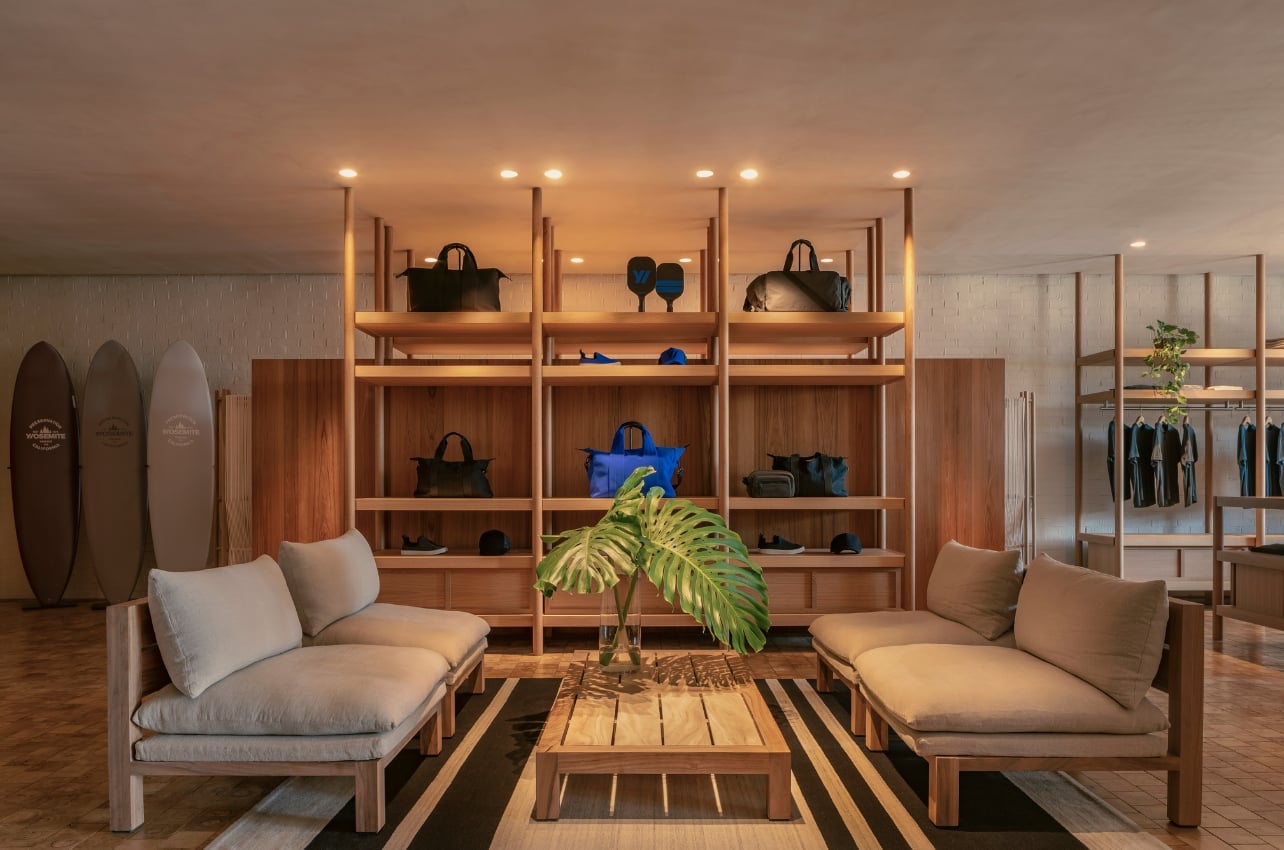
The Bal Harbour Shops boutique expanded with a second level in 2022.
In recent years, “global casualization,” as James Perse calls fashion’s shift toward comfort, ease, and authenticity, has put his brand in good stead, now spanning north of 60 stores and multiple categories, including apparel, home, and hospitality. But he has never viewed retail as a rollout.
“We spent so much time and energy building up in the US,” Perse says. “And then you realize you’re speaking to a much wider audience.” That insight has guided the brand’s latest chapter of international expansion. “When we expand, we’re not starting at zero,” he says of how he chooses where to open stores, considering customers’ travel patterns.
The Bal Harbour Shops boutique, which opened in 2010, unexpectedly transformed the brand’s reach, drawing customers from South America, and priming the pump for current expansion into the Caribbean and Brazil.
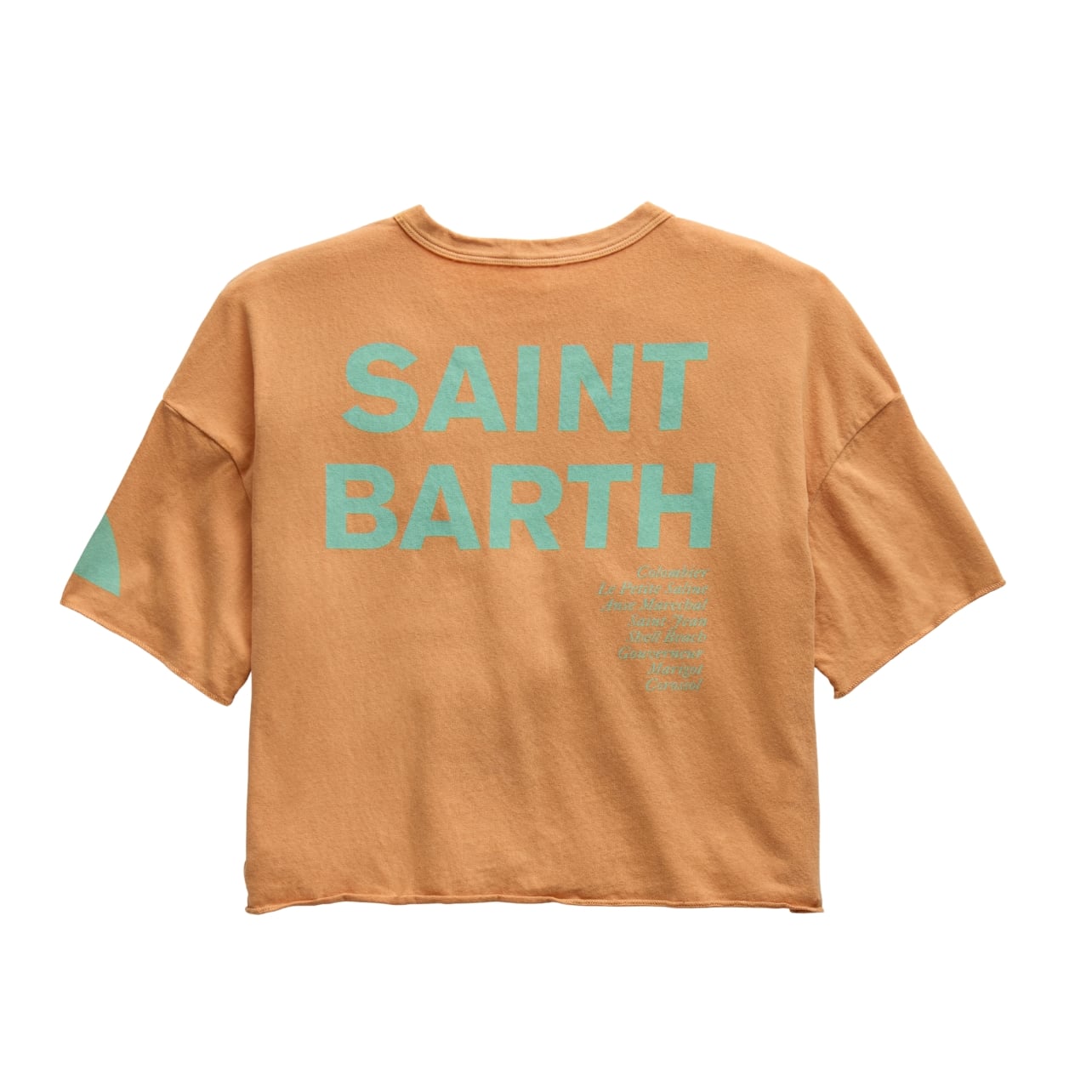
A two-story, residential-style boutique just opened this month in St Barths. “It has the same casual element of where | come from, with chicness and sophistication,” Perse says of the island. He designed a full capsule collection exclusively for St Barths-tropical prints, bold color, and resortwear—pushing the brand into a different register.
“I don’t want to just show up and do the same thing,” he says. “I want customers to have unique experiences within the environments we create.”
Opening mid-April is a 7,000-square-foot Paris flagship just off Avenue Montaigne. “It’s fun because you’re getting to explore a new environment,” says Perse, “but you’re talking to a client who you’ve been in dialogue with for many years.”
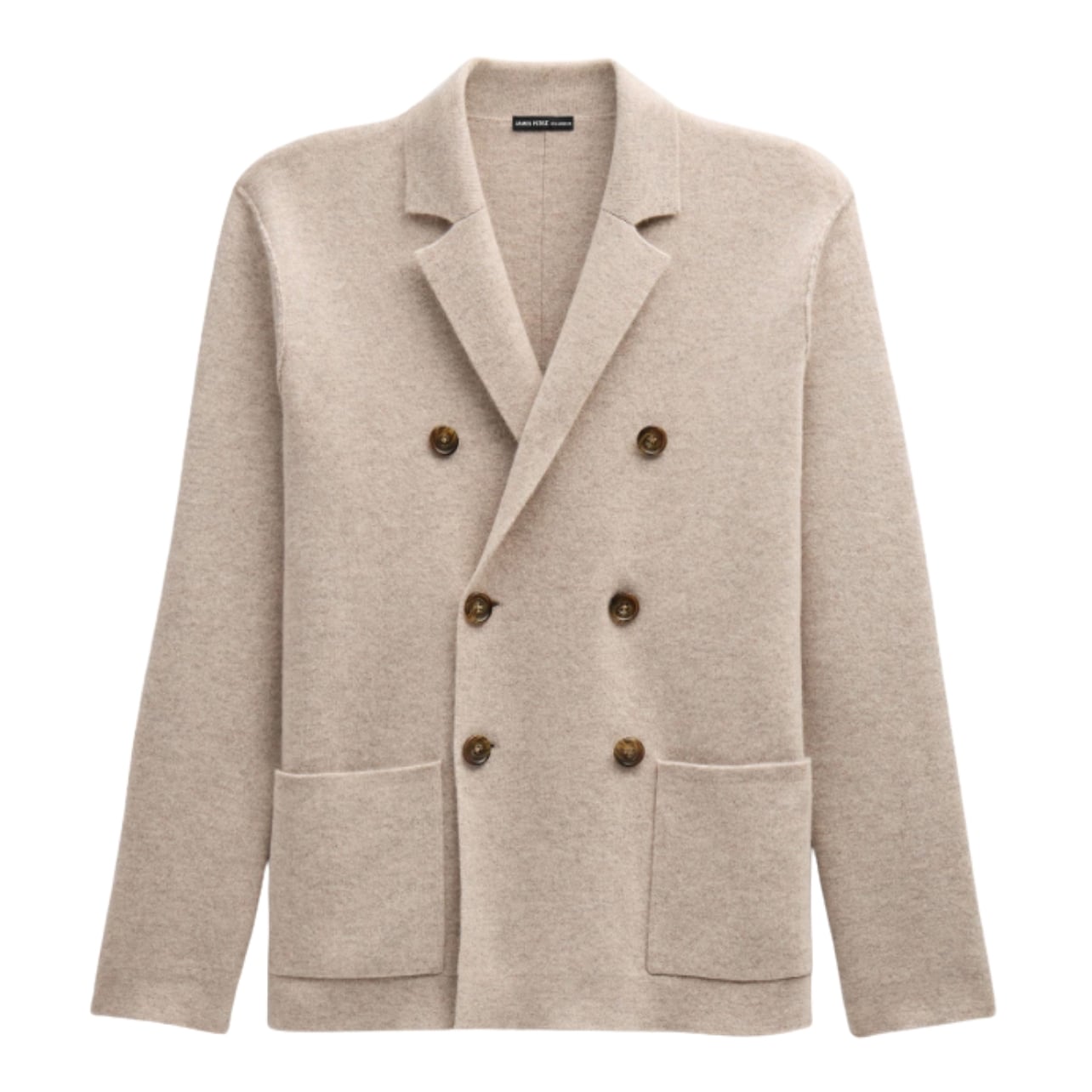
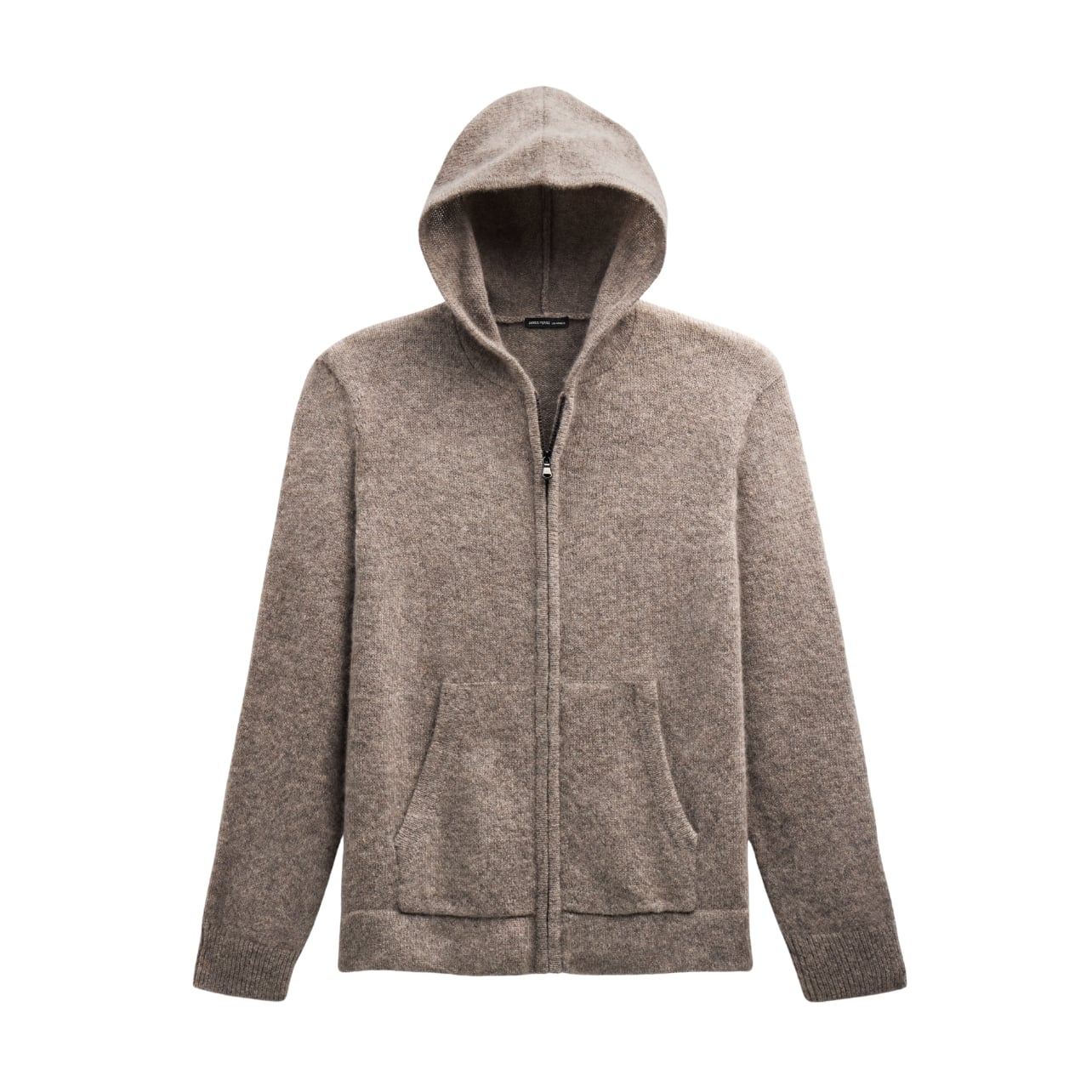
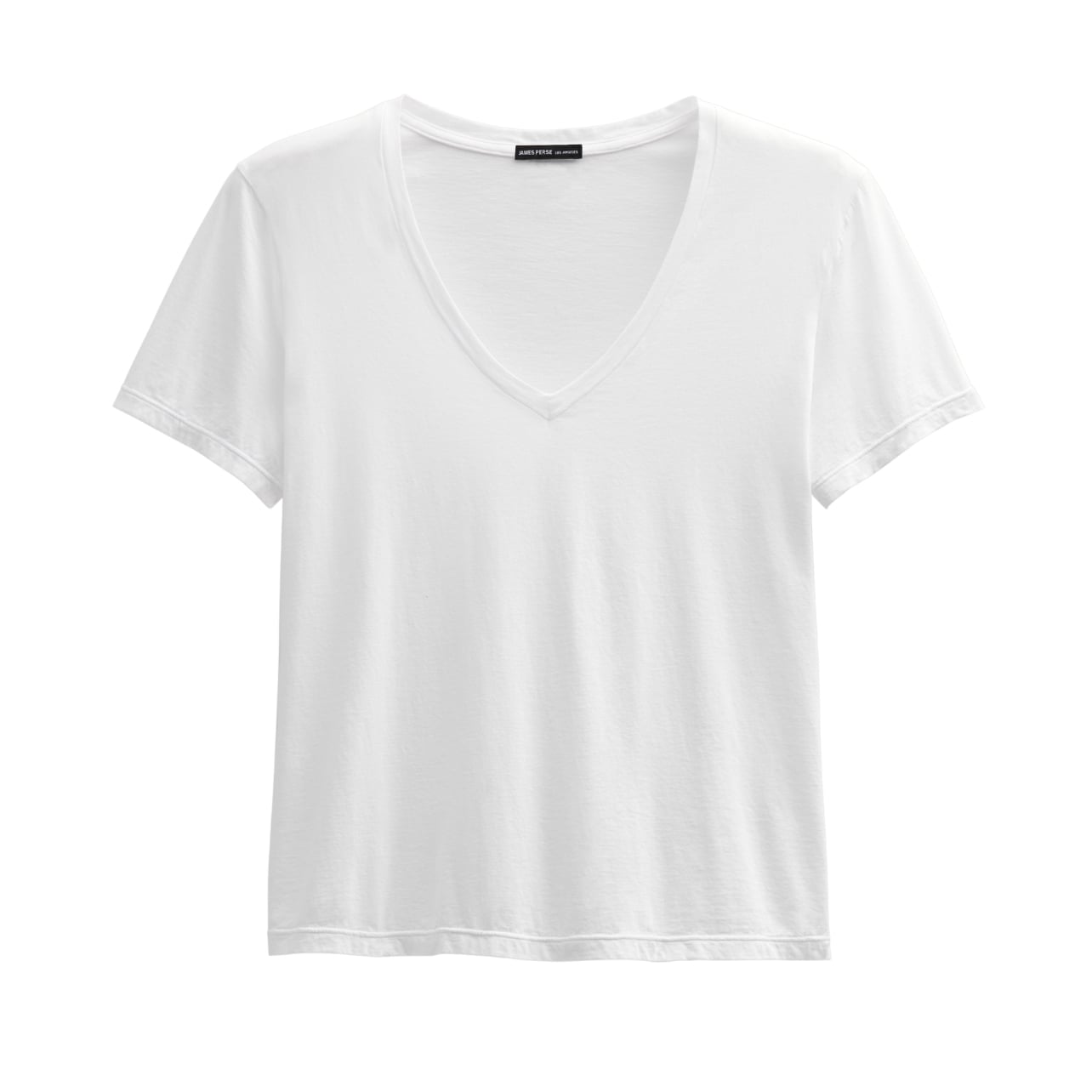
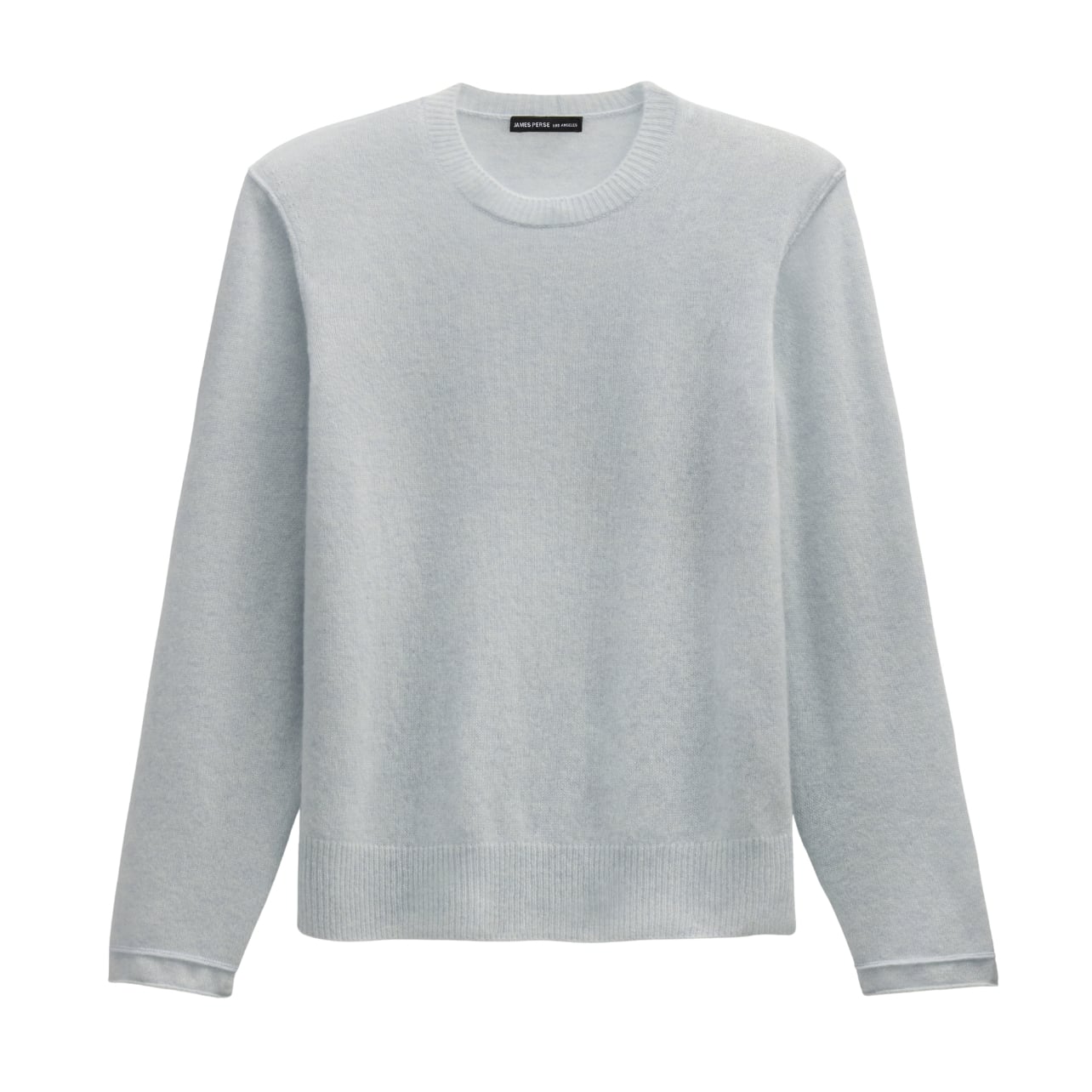
As the James Perse geography expands, so has its wardrobe. The collection has evolved into complete day-to-evening propositions, with cashmere-silk knits, sand-washed satin pants, slip dresses, swimwear, sandals, and Perse’s take on the ballet flat. “People are loving it, and it’s still at the accessible luxury price point,” he says.
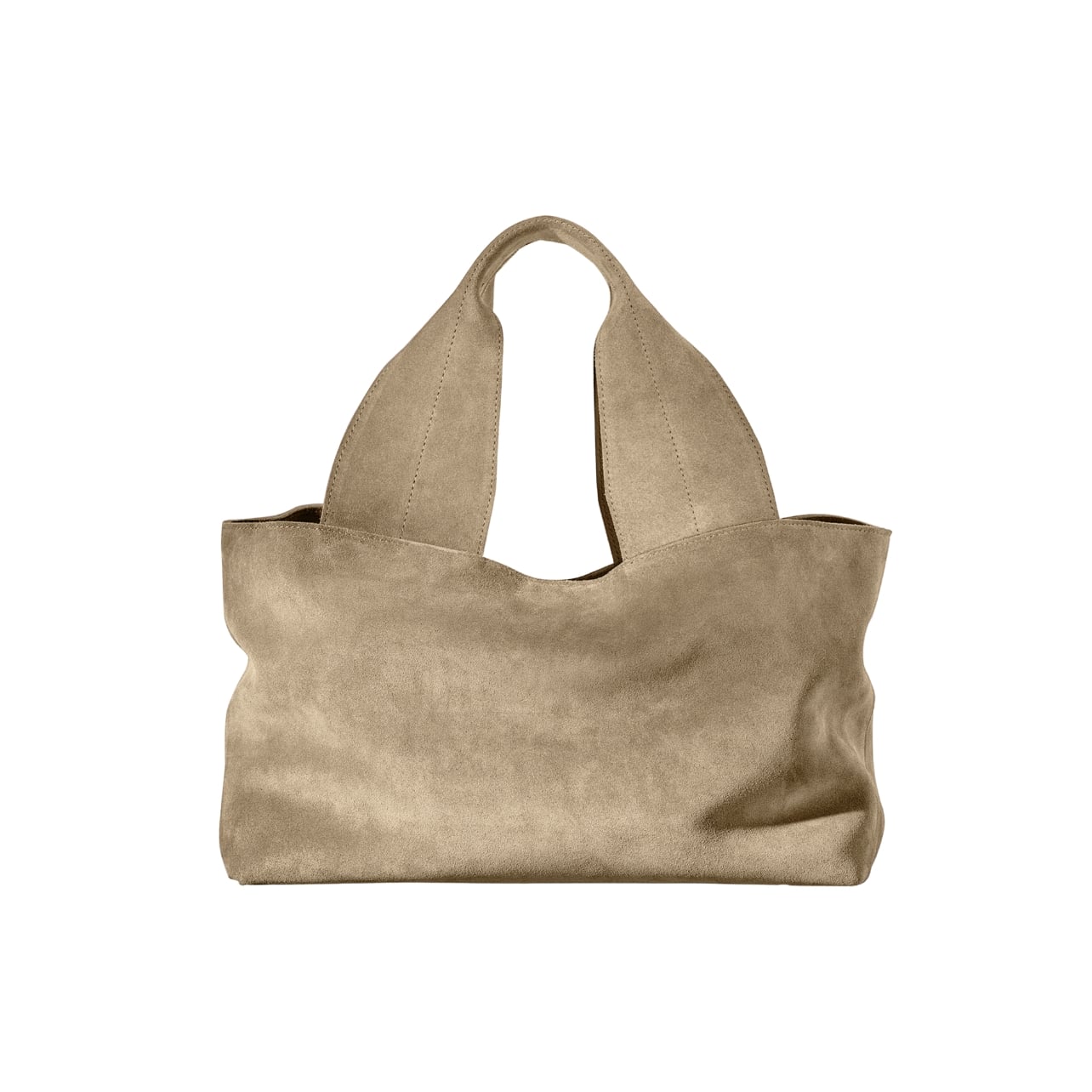
The men’s business, once a footnote, is more important than ever.
“When we opened our first retail store 20-plus years ago, a dot was connected. Men who didn’t shop in department stores had a local boutique. When they could come and experience the brand, all of a sudden the light went on,” Perse says. “We’re going into trousers, leather jackets, suedes, shirting, dress shoes,” Perse says. “Everyone ran casual; the sneaker market got flooded. I myself was looking for something dressier. When | can’t find it, that’s what | want to go create.”
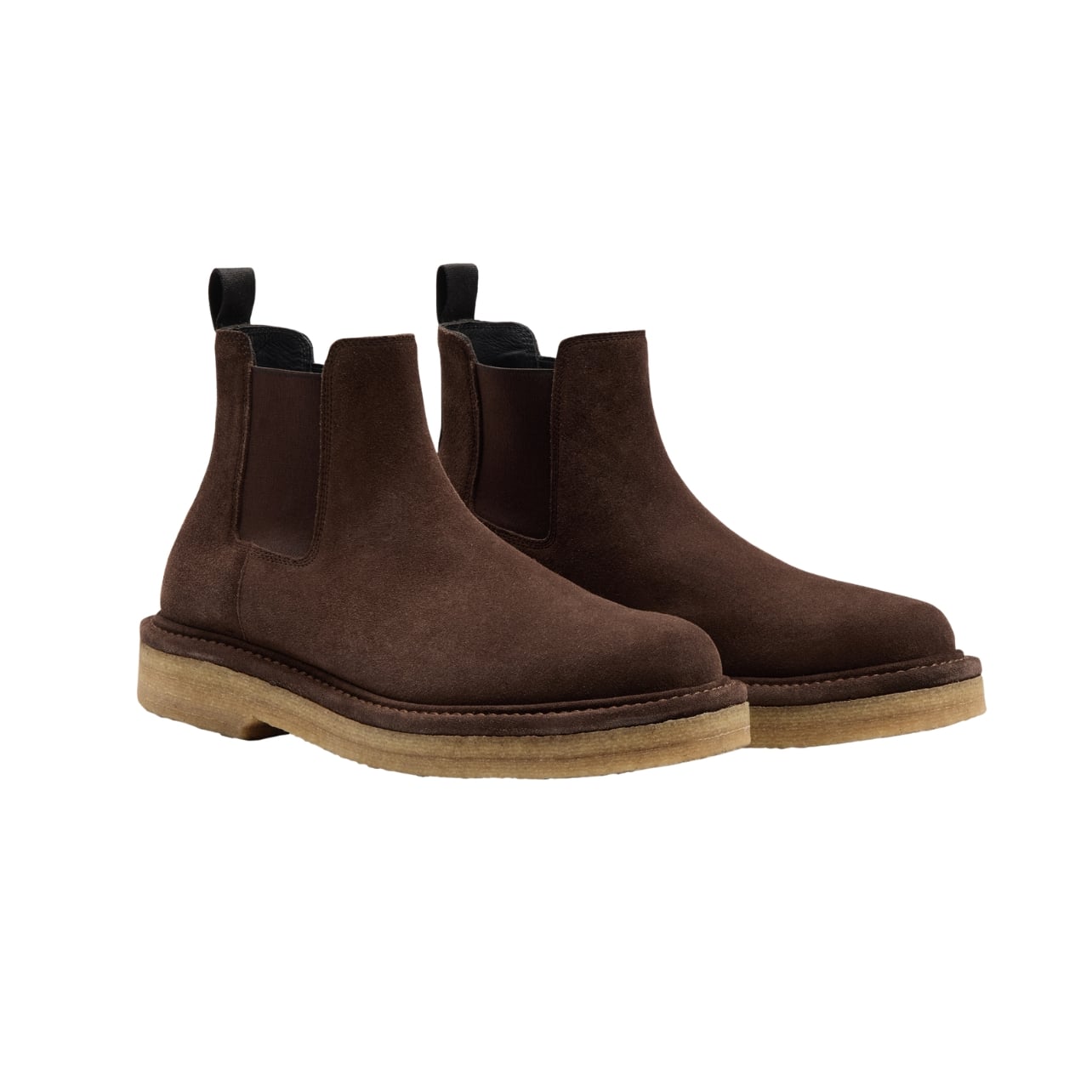
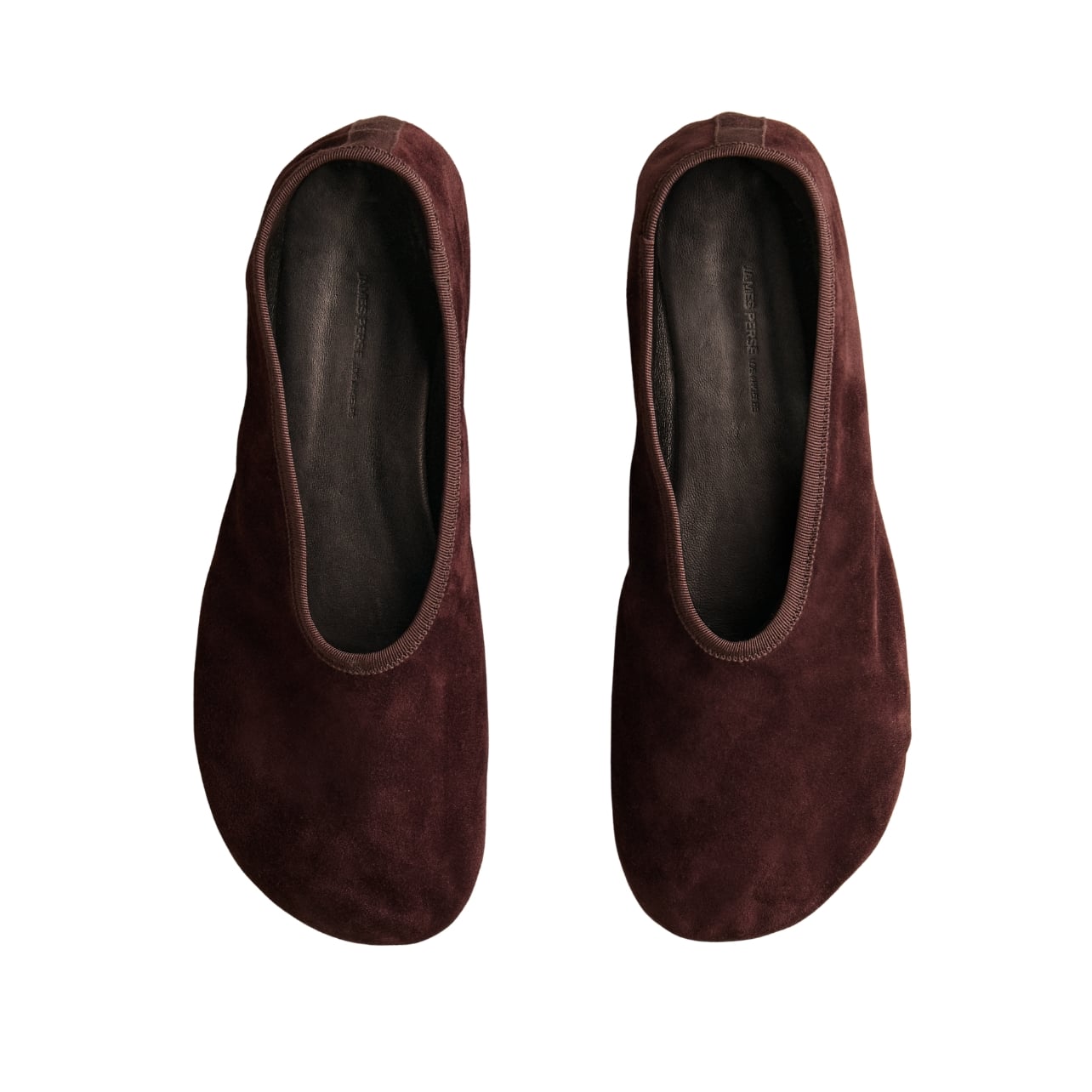
Shoes have emerged as a breakout category, alongside accessories and home designs. Fragrance and skincare are next. “It’s all new,” Perse says. “And that re-inspires me.”
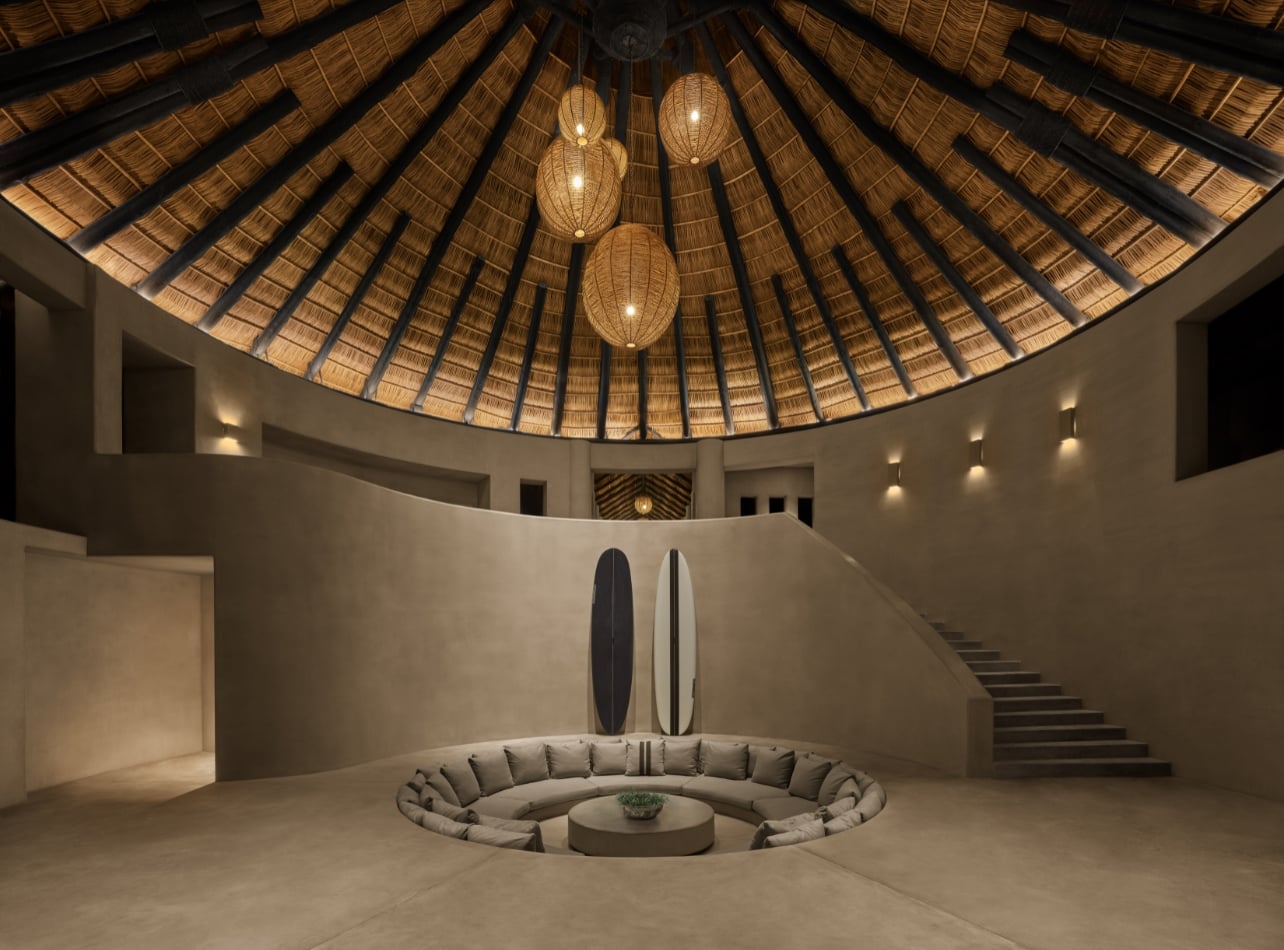
Grey Cape was the brand’s first foray into hospitality.
Perhaps the most literal expression of the James Perse lifestyle exists in his hospitality projects in Mexico, reflecting his minimalist-but-bohemian sensibility and the influence of Mexican architect Luis Barragan. In San Jose del Cabo, which Perse has visited since he was a kid, he created Grey Cape, a luxury retreat rooted in the concept of restoration. “You feel healed in two days. There’s an extraordinary energy,” he says.
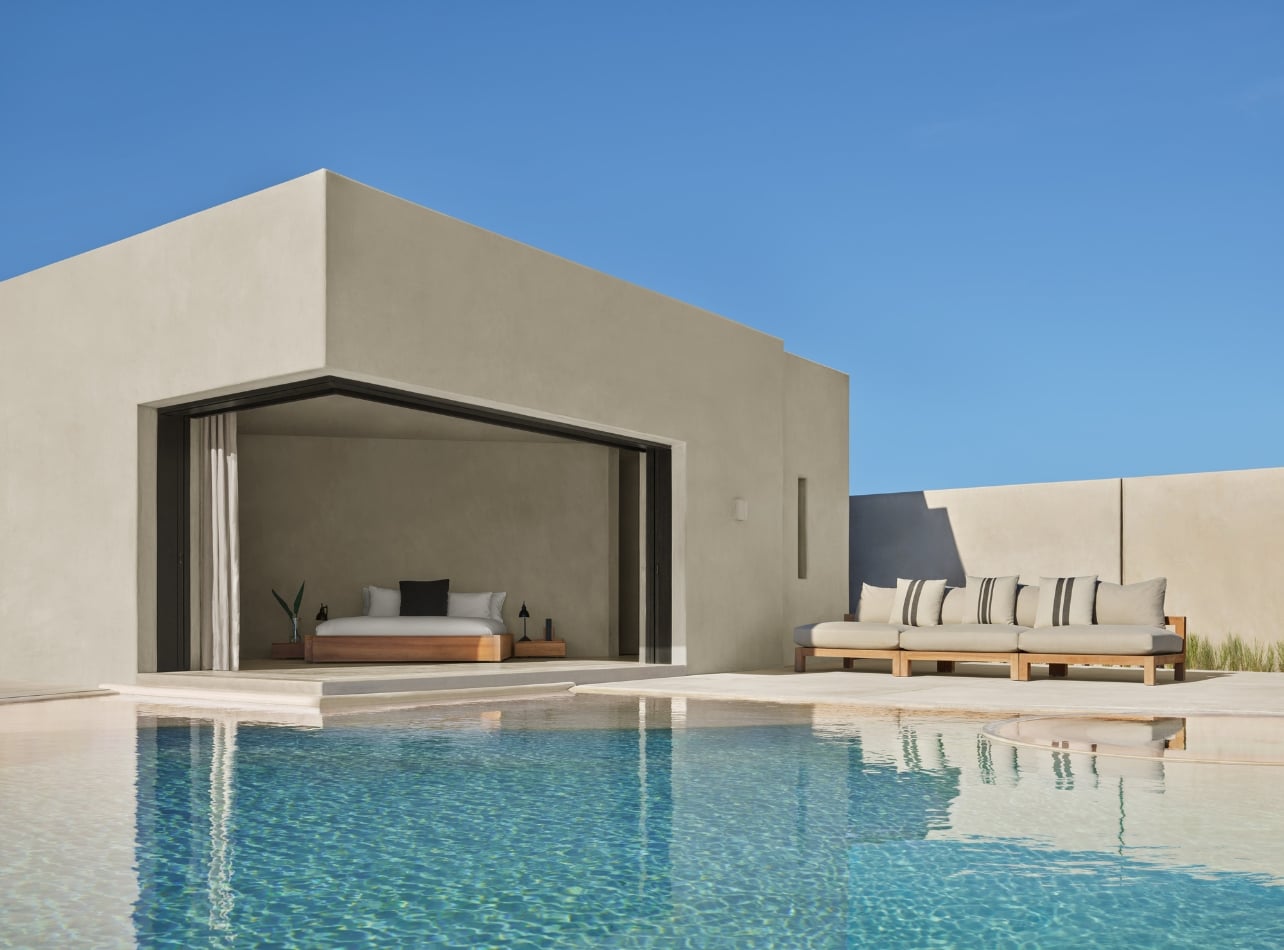
Check into the Perse lifestyle at Brandilera 1973 in Punta Mita, Mexico.
In Punta Mita, he expanded this focus into Brandilera 1973, a nine-villa private estate designed for extended families and groups. “These properties allow people to experience the brand,” he says, from furniture and bedding to the architecture itself.
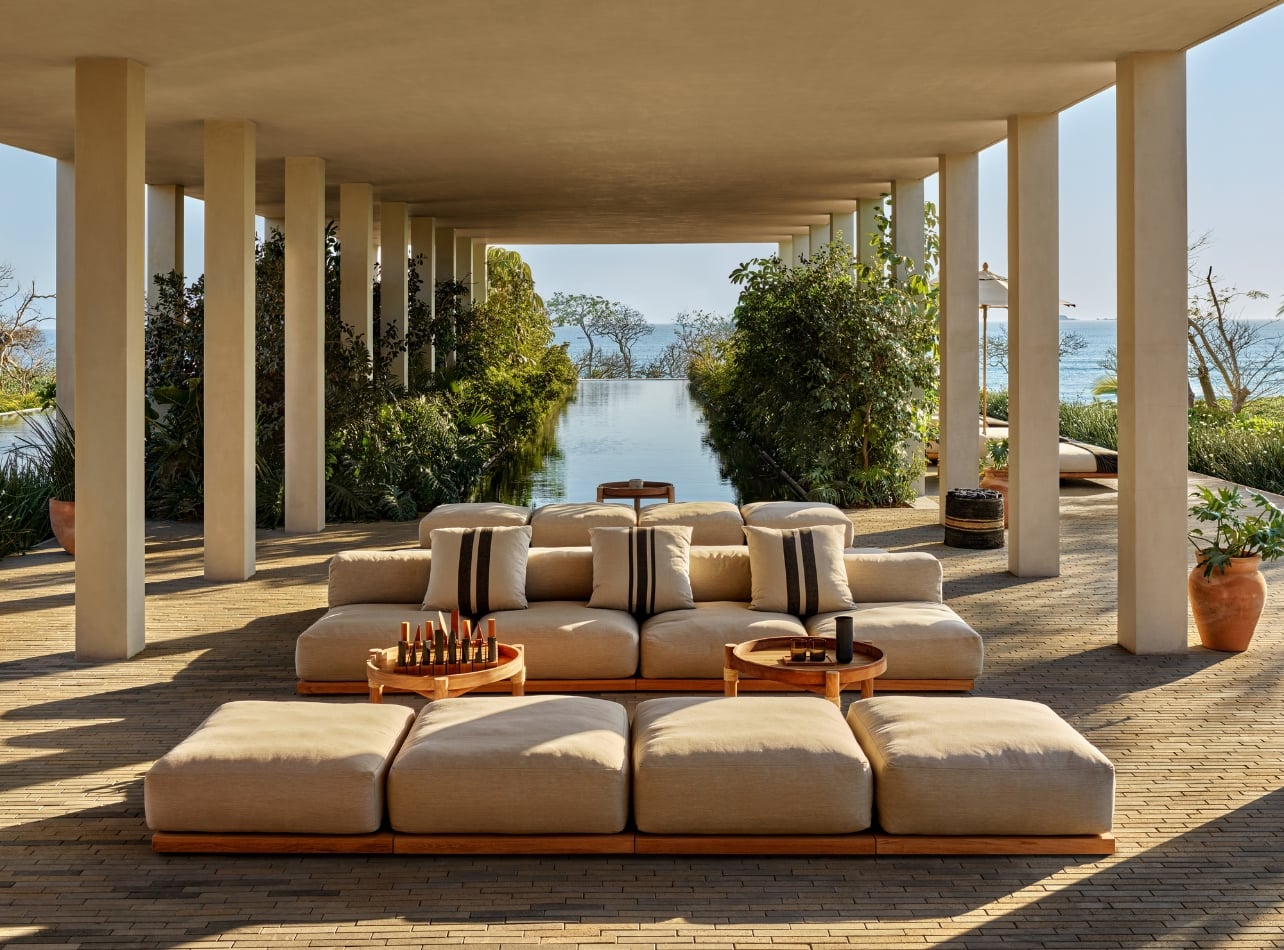
An outdoor living room at Brandilera 1973.
Now he’s setting his sights on creating beach clubs that will be daytime destinations blending retail, wellness, sports, dining, and design. Naturally, there will be capsule collections for padel, golf, spa products, and swim and beach gear tied directly to place. “It’s breaking retail into experiences,” he says. “And allowing more people to enjoy it.”
Designing for relaxation and recreation has long been a part of the brand’s DNA. The now-iconic James Perse ping-pong table began as a prop in the Malibu store before becoming the brand’s best-selling furniture item. Today, he’s pushing further into art pieces for the home, like stone pool tables and teak surfboards.
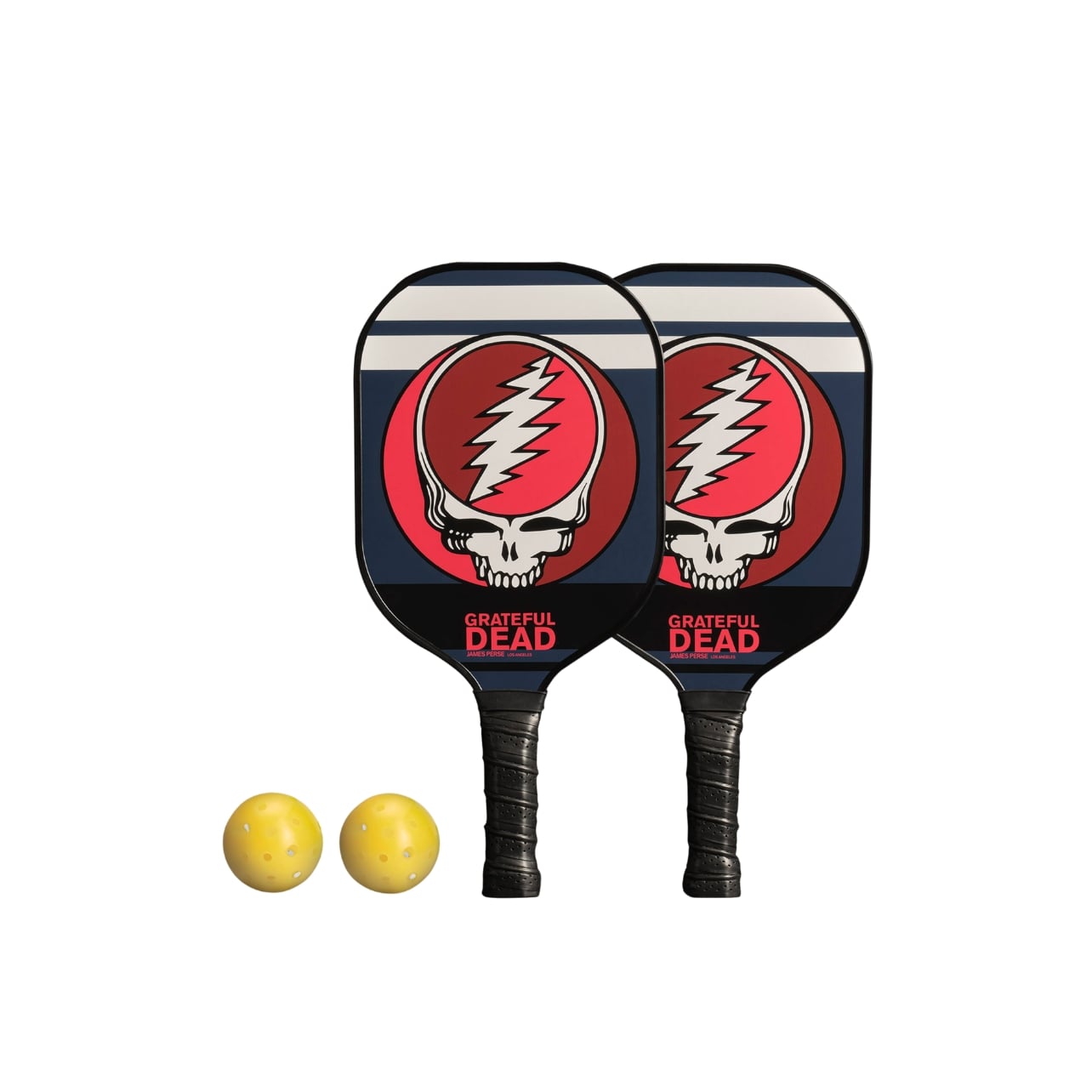
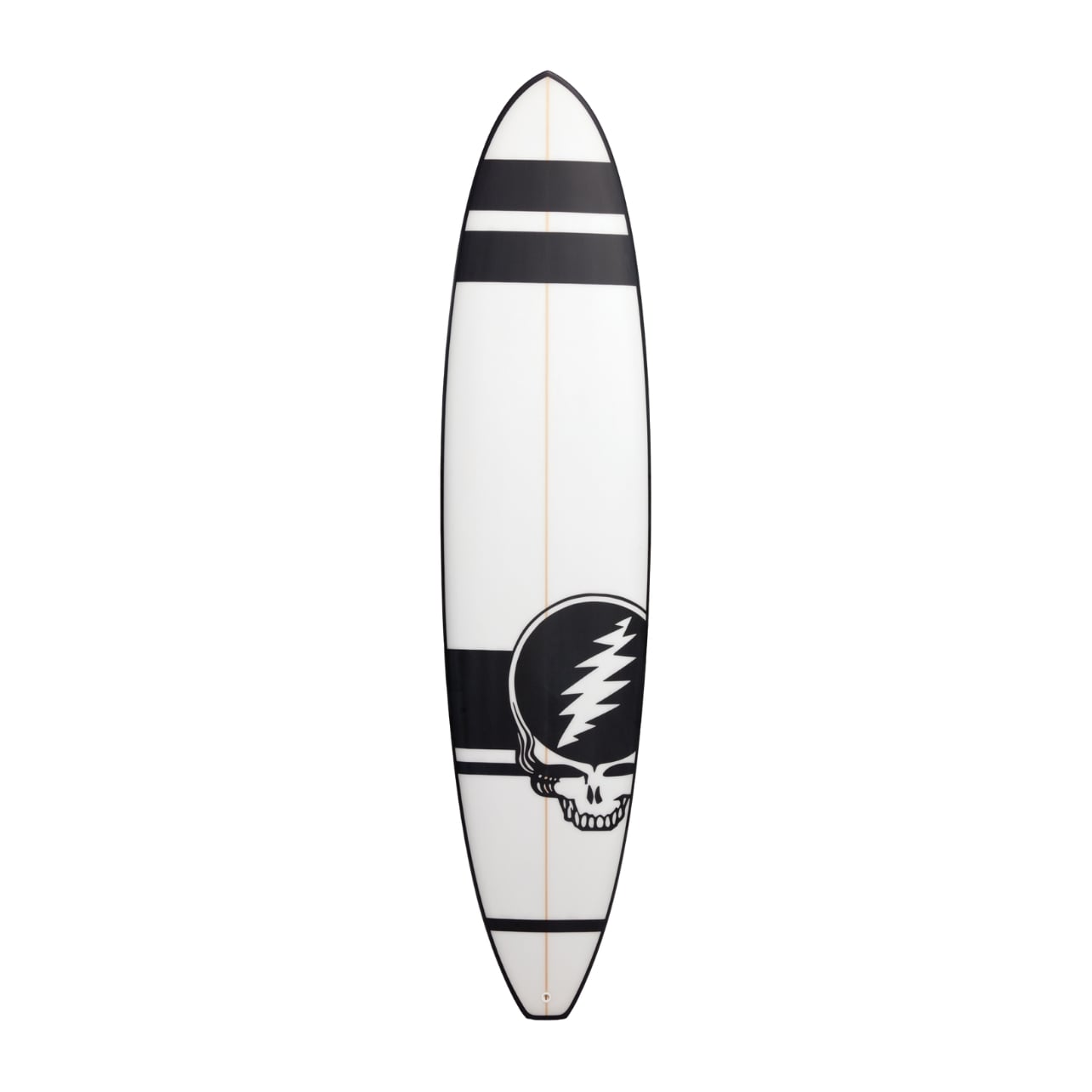
Perse has collaborated sparingly as he’s built the brand. “It’s driven by relationships that naturally form,” he explains of his philosophy. “And the Grateful Dead was 100 percent that.” In 2018, when Bob Weir reached out, “I almost didn’t know what to do, I’d followed him forever,” Perse says of the Grateful Dead guitarist and vocalist.
Long before Perse built a casual-luxury empire, he was a teenager following the Dead, immersed in the roaming community bound by music, freedom, and ritual. In fact, his first taste of business came in the parking lots of the concert venues, where he sold bootleg baseball hats to fellow fans. When Weir died in January, Perse found himself grieving someone who had influenced and shaped his life long before they ever met and became friends, and in ways that at first glance make very little sense.
After all, tie-dyed psychedelic excess wouldn’t seem to have a place in the calm, coastal-hued, rigorously minimal world of Perse’s lifestyle brand. And yet, the Grateful Dead are everywhere in it, including on the understated, upscale merchandise he and Weir designed together that’s still selling years later.
“They created this recipe for people to just get lost in,” Perse says of the Dead. “Your friends, your bond, your experiences, the analysis of show by show. What they provided for so many people was a sense of purpose and a sense of belonging.”
A lifestyle.
In the end, the throughline from a Grateful Dead parking lot to a Paris flagship has been about the belief that people don’t just want things-they want experiences with a sense of community and belonging.
“That was a gift I received,” Perse says of the impact of Weir and the Dead. “And I want to find ways of building that not just in my company, but with my customers.”
All images courtesy of James Perse