By Brandon Perlman
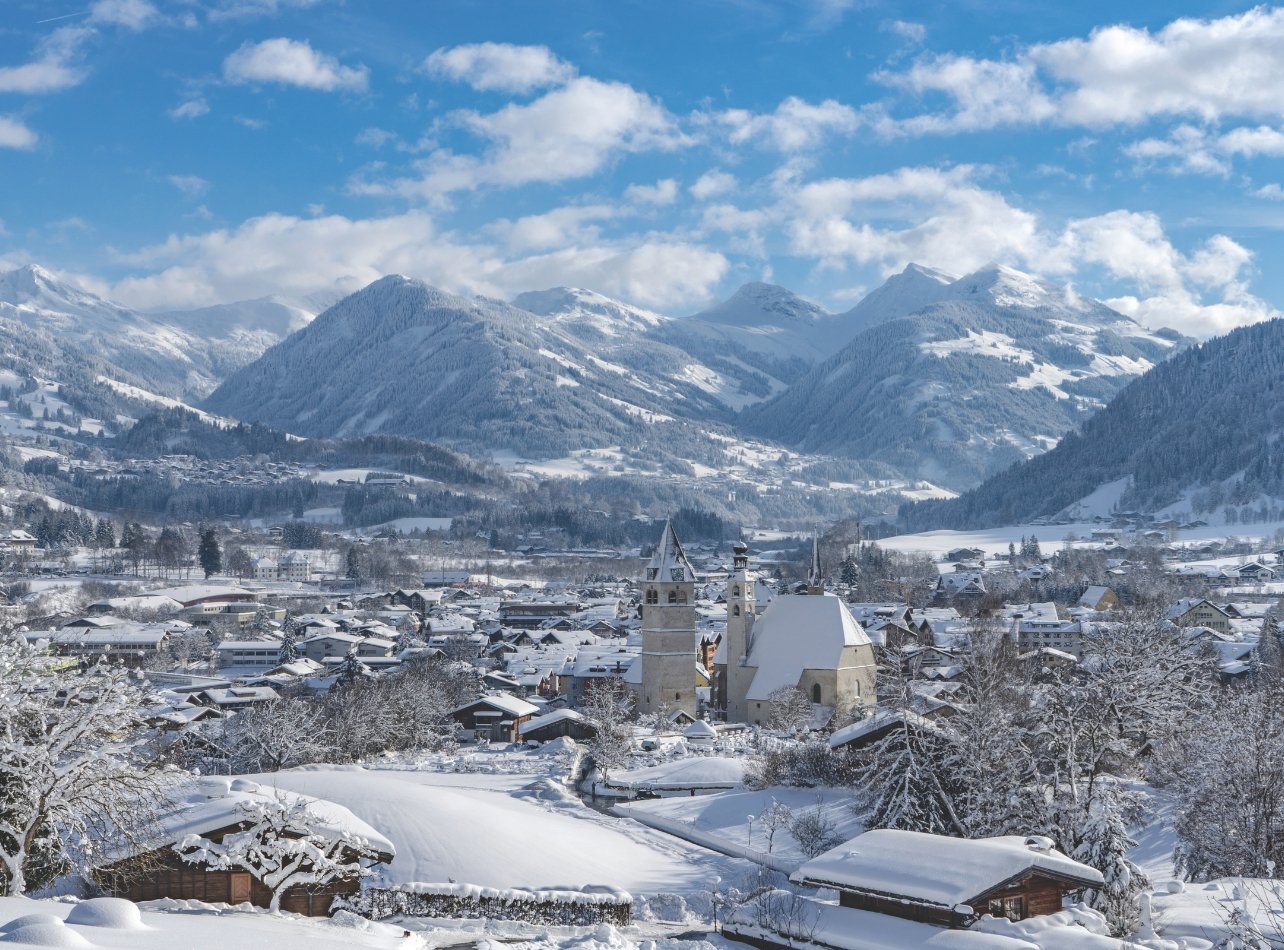
A view across Kitzbühel, Austria.
There’s a reason the Alps remain winter’s ultimate stage. For more than a century, their peaks have drawn royals, industrialists, and cultural tastemakers who come not only for holiday escapes, but for the sacred ritual of reconnecting with the inspiration that this rare air provides: The timeless pursuit of resetting the cadence of modern life. The mountains of France, Austria, and Switzerland speak a different dialect of luxury, simultaneously familiar yet brimming with possibilities. Here, we’ve distilled the essence of three of Europe’s most iconic enclaves—Megève, Kitzbühel, and Gstaad—with a little help from locals, to help even the most seasoned traveler uncover what’s new, what’s enduring, and what ultimately makes each destination unforgettable.
Kitzbühel, Austria
Nestled in the Tyrolean Alps, Kitzbühel is where medieval charm meets modern glamour. Though widely known for the Hahnenkamm, skiing’s most fearsome downhill race, the town offers much more than sport. Between its cobblestoned center, Baroque church towers, and local luxury brands like three-generation family-run label, Frauenschuh, this enclave (and its après-ski scene) has mastered the art of Alpine hospitality.
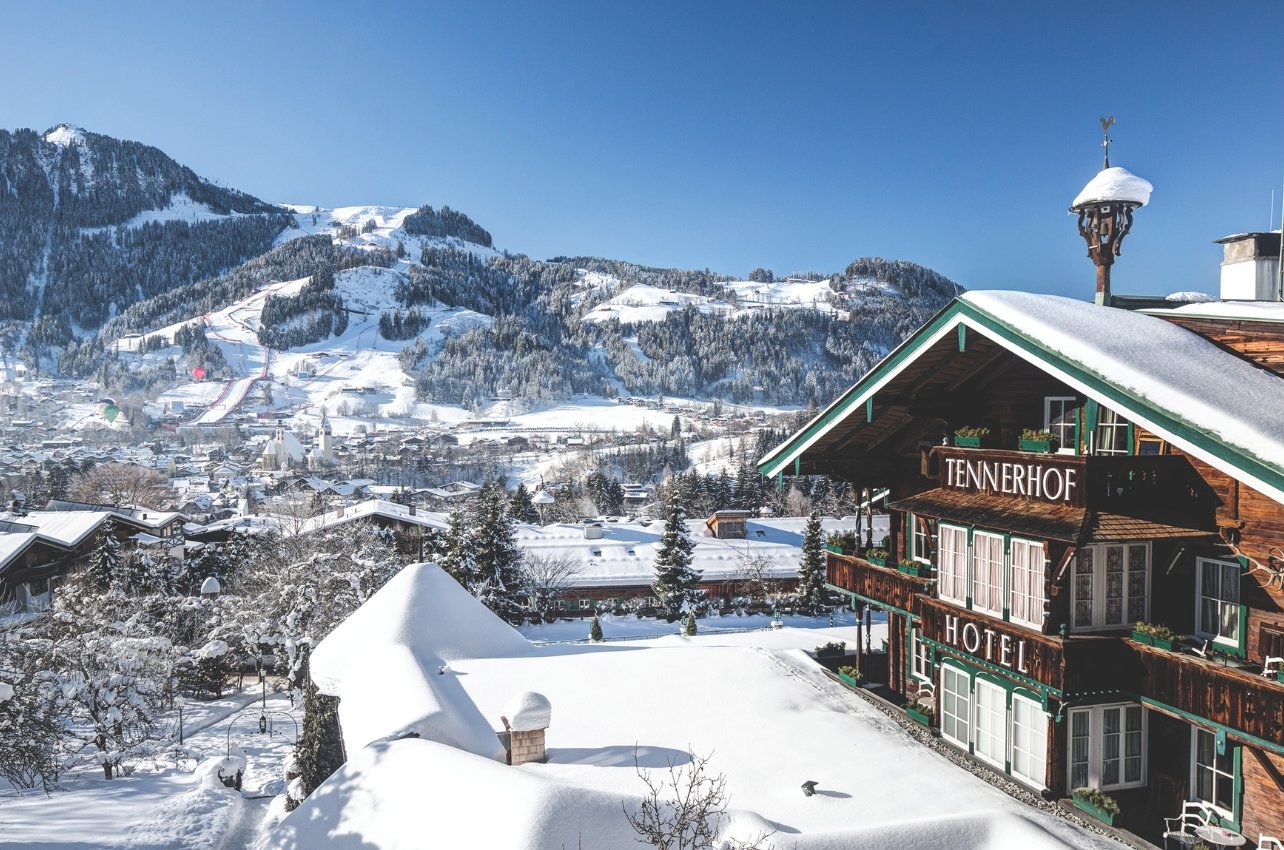
The Tennerhof Hotel remains a perennial choice in Kitzbühel, known equally for its warmth of service and breathtaking views.
Where to Stay
Hotel Weisses Roessl Kitzbühel A 500-year- old inn turned five-star luxury hotel, the Roessl offers a modern take on Tyrolean tradition. Its central location makes it a stylish base for exploring the old town, and its spa is one of the finest in the region.
Tennerhof Hotel Perched just above the town, this intimate Relais & Châteaux property offers Michelin-starred dining, warm service, and sweeping valley views. It’s a perennial choice for discerning travelers.
Stanglwirt A five-minute drive from Kitzbühel center, this family-owned “biohotel” has been welcoming guests to its farmhouse setting for more than 400 years. Still run by the Hauser family, Stanglwirt blends rustic charm with five-star sustainability: think natural spring-fed pools and an on-site organic farm that supplies much of its award-winning cuisine.
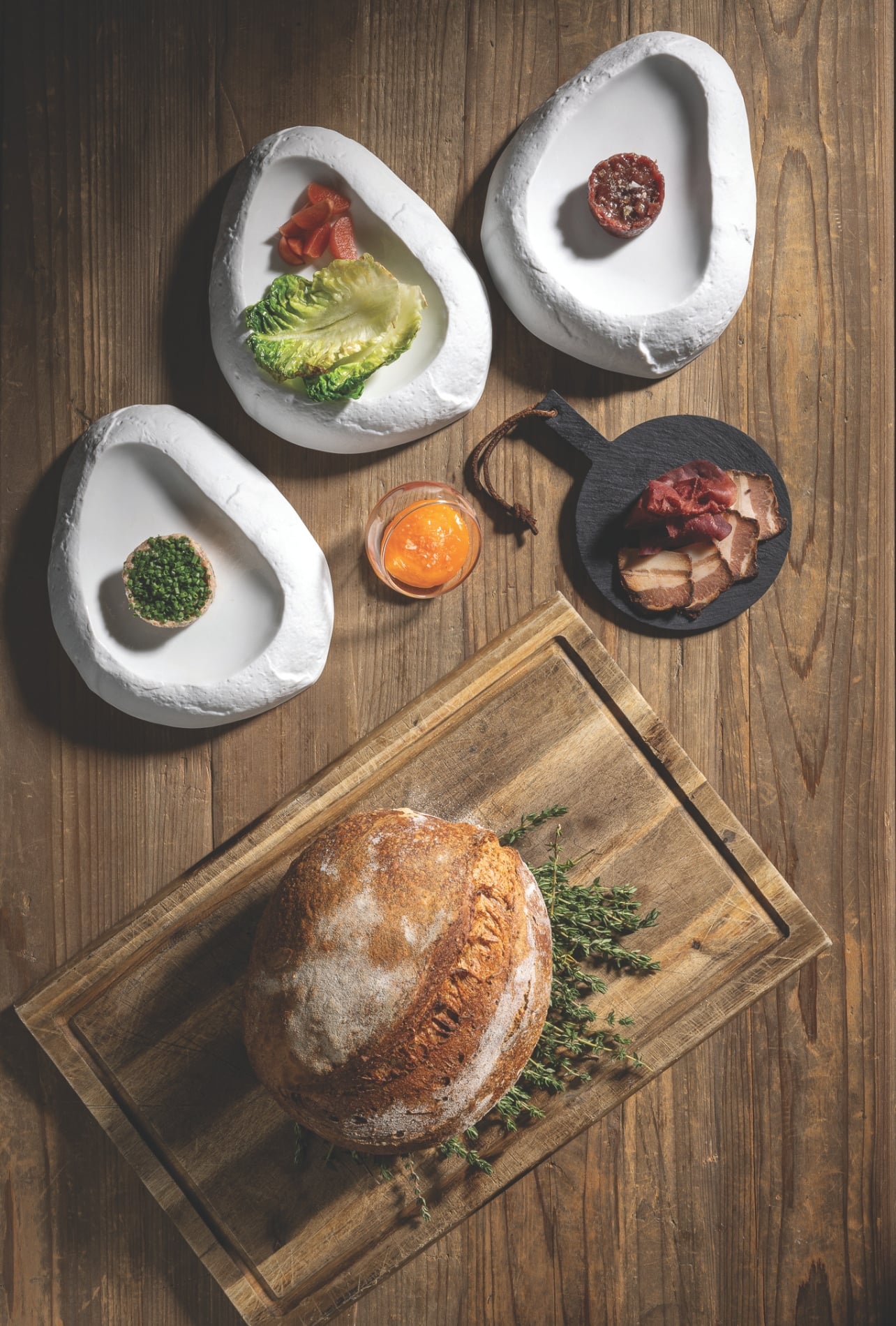
An artful composition of Alpine-informed flavors at Berggericht.
Where to Dine
Michelin Stars & Fine Dining
Berggericht A modern Michelin star on Kitzbühel’s culinary map, offering artfully composed plates. Expect tasting menus from Chef Marco Gatterer that spotlight the region with inventive precision.
Les Deux Brasserie & Bar Kitzbühel A sleek offshoot of the famed Munich restaurant, this newcomer (opened in the winter of 2024) blends French technique with Bavarian soul, delivering refined flavors in a chic Alpine setting. It was honored earlier this year with its first Michelin star.
In the Village & Surroundings
Neuwirt Among the best tables in town, with locally sourced dishes and a strong wine list.
Gasthof Hagstein One of the region’s most beautiful terraces, with traditional Tyrolean Stuben inside.
Hallerwirt A beloved spot for Austrian specialties located in one of the oldest farmhouses in the Alps.
Mocking Housed inside a traditional tavern and serving classic local fare that is reimagined for the modern palette.
Spitzbuam The young team of Florian Straif and Peter Wahrstätter assemble a balanced vision of European culinary technique and rare wines.
On the Slopes
Rosi’s Sonnbergstuben A legendary mix of Tyrolean hospitality, hearty fare, and Champagne-fueled afternoons. Folk music and long lunches often stretch until sunset.
Sonnbühel Rumored to be the oldest mountain restaurant in the world, perched high on the Hahnenkamm. Still the benchmark for Alpine dining with history.
Bei Tomschy At the mountain station of the Hahnenkamm cable car, this is an essential lunch and aprés stop. Ask for Christoph, one of the owners, and you’re in expert hands.
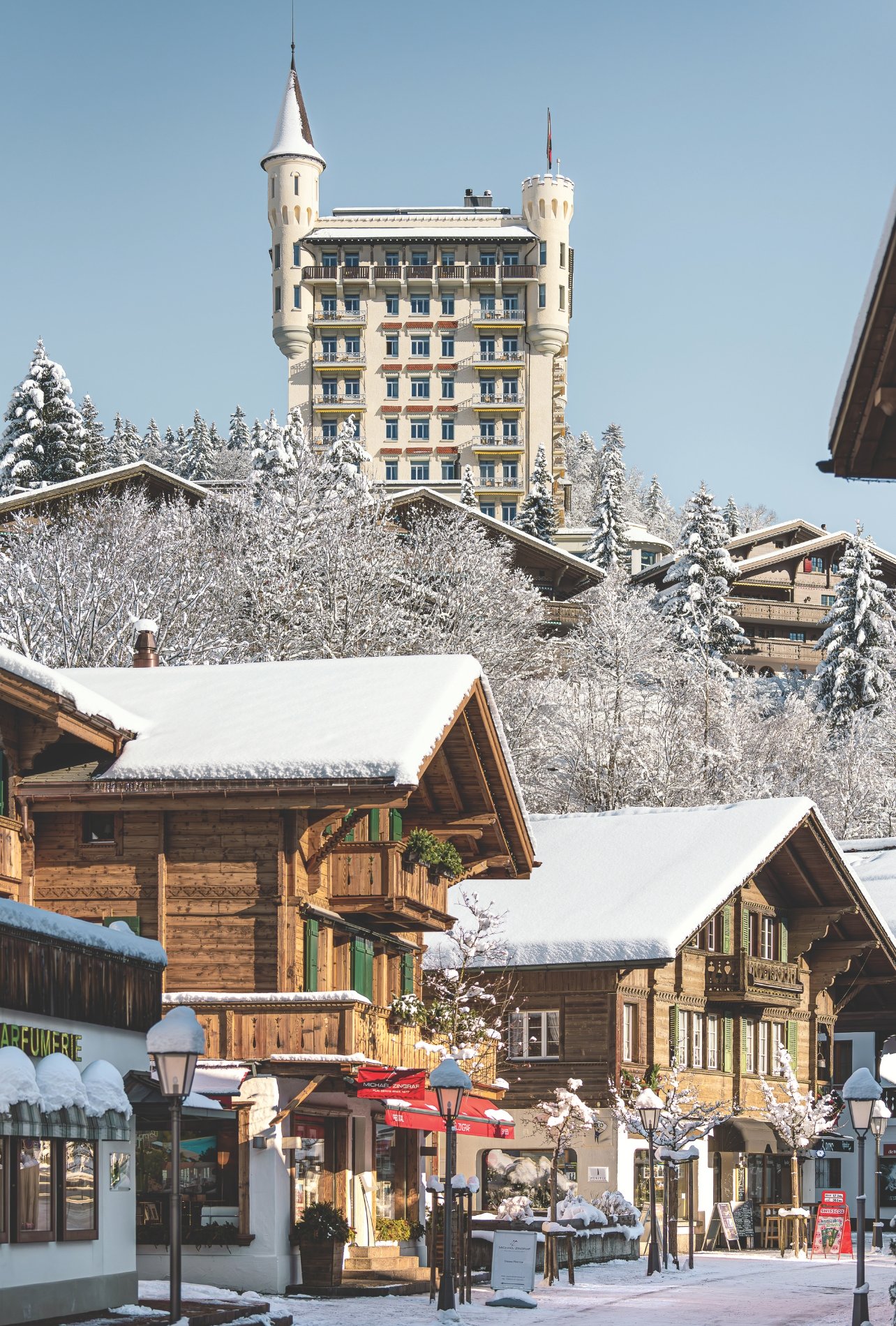
A view of picturesque Gstaad with its grand dame, Gstaad Palace, towering in the background. Photo by Melanie Uhkötter.
Gstaad, Switzerland
“Come up, slow down” has long been Gstaad’s motto, and it fits. Nestled in the Bernese Oberland, discretion reigns supreme in this Swiss village. While other ski towns court spectacle, Gstaad whispers. A place where strict building codes keep every chalet uniform and understated, and billionaires blend into the crowd in Moncler puffers and cashmere caps. Yet beneath the quiet surface lies a rich social world: leisurely lunches at historic institutions, treasure-filled boutiques and galleries along the promenade, and the kind of intimate après-ski scene that feels more like a private club than public party. For those seeking Alpine lifestyle at its most refined, Gstaad remains winter’s most discreet address.
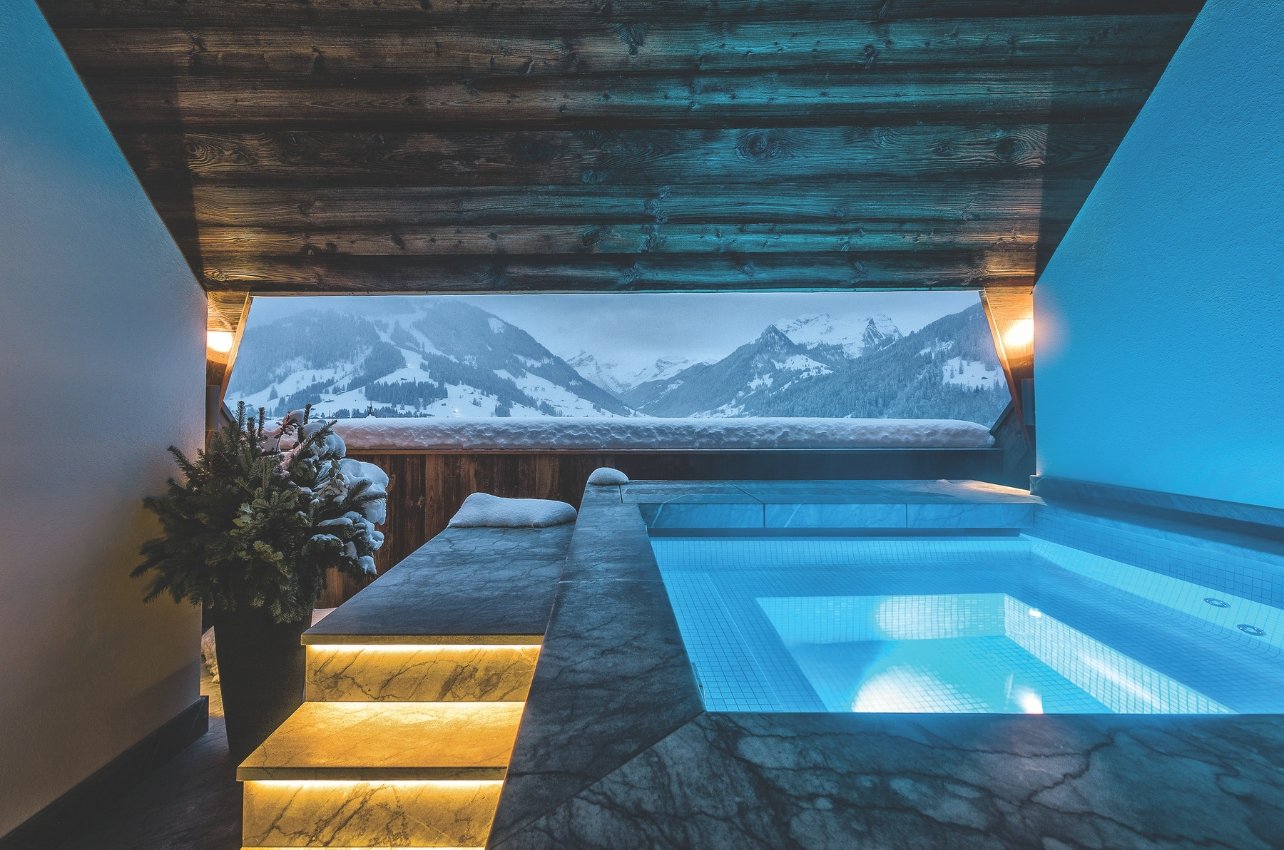
The Alpina Gstaad’s 4,300-square-foot Panorama Residence includes an outdoor jacuzzi, along with a sauna, steam room, and gym.
Where to Stay
Gstaad Palace Since 1913, this turreted grande dame has defined the town’s social life. Still owned by the Scherz family, it remains one of Europe’s last great family-run hotels. Ninety rooms and suites balance Alpine coziness with contemporary glamour. Days here unfold in the Palace Spa, with its hammam and panoramic jacuzzi, or up at the historic Walig Hut, a rustic Alpine refuge dating to 1783 that belongs exclusively to the hotel. Evenings in Gstaad belong to the Palace: five restaurants, including Le Grill (16 Gault Millau points) and the iconic La Fromagerie, which is housed in a former vault. Not to be missed, of course, is the legendary GreenGo nightclub, unchanged since 1971 and still hosting the Alps’ most illustrious parties. By dawn, the Palace stands above Gstaad as the village’s social hub.
The Alpina Gstaad This icon balances contemporary design with a deep respect for tradition. Its 56 rooms and suites embrace Swiss craftsmanship at every turn, constantly framing panoramic views of the valley. The Six Senses Spa remains one of Switzerland’s most celebrated, with treatments ranging from ancient Tibetan rituals to au courant biohacking therapies. On the culinary side, the Michelin-starred Martin Göschel reigns supreme, while a roster of standout dining, from the new Monti (already Gault Millau– awarded) to Japanese-focused Megu, which was recently named one of the best Asian restaurants in the country. The Alpina draws a crowd seeking both indulgence and innovation in the Alps.
Le Grand Bellevue Gstaad A 1912 Art Deco landmark reborn, Bellevue feels like a private estate, complete with its own cinema, an award-winning restaurant, and a convivial cocktail bar. Its blend of warmth and elegance has made it part of the fabric of Gstaad for generations.
The Park Gstaad (Four Seasons, opening 2026): Currently undergoing a full transformation, The Park Gstaad will reopen as a Four Seasons property in 2026.
Private Chalets
Le Chalet Lion Rouge (Rougemont): A 300-year-old farmhouse reimagined in 2024 into a seven-bedroom retreat with its own spa and multiple salons.
Le Chalet Saanen With eight bedrooms, two salons, and an outdoor sauna, this chalet is designed for large families or groups seeking classic chalet life with breathtaking views.
Where to Dine
Michelin Stars & Fine Dining
La Table du Valrose Set in the storybook village of Rougemont, this two-starred destination has quietly become one of Switzerland’s most exciting gastronomic addresses. Led by chef Benoît Carcenat, who reimagines Alpine ingredients with French precision. Expect elegant tasting menus rooted in seasonality, served in a dining room that feels both historic and contemporary, with views across the snow-dusted valley.
Martin Göschel The executive chef reigns supreme over The Alpina hotel with a precise, restrained style combining classic dishes, modern influence, and Swiss-only ingredients. His namesake flagship kitchen holds one Michelin star and 18 Gault Millau points.
In the Village & Surroundings
Olden A Gstaad institution, both a meeting place for bons vivants and a culinary landmark for international cuisine.
16 Art-Bar Beloved by locals, this intimate spot is best known for its côte de boeuf, paired with recommendations from its well-regarded sommelier, Simon Buchs.
Le Cerf (Rougemont): Famous for its fondue and raclette served with rustic charm.
Restaurant Sonnenhof (Saanen): Elegant cuisine served on one of the valley’s most spectacular terraces.
Rössli (Feutersoey): Family-owned since 1919, it still serves its signature poached trout.
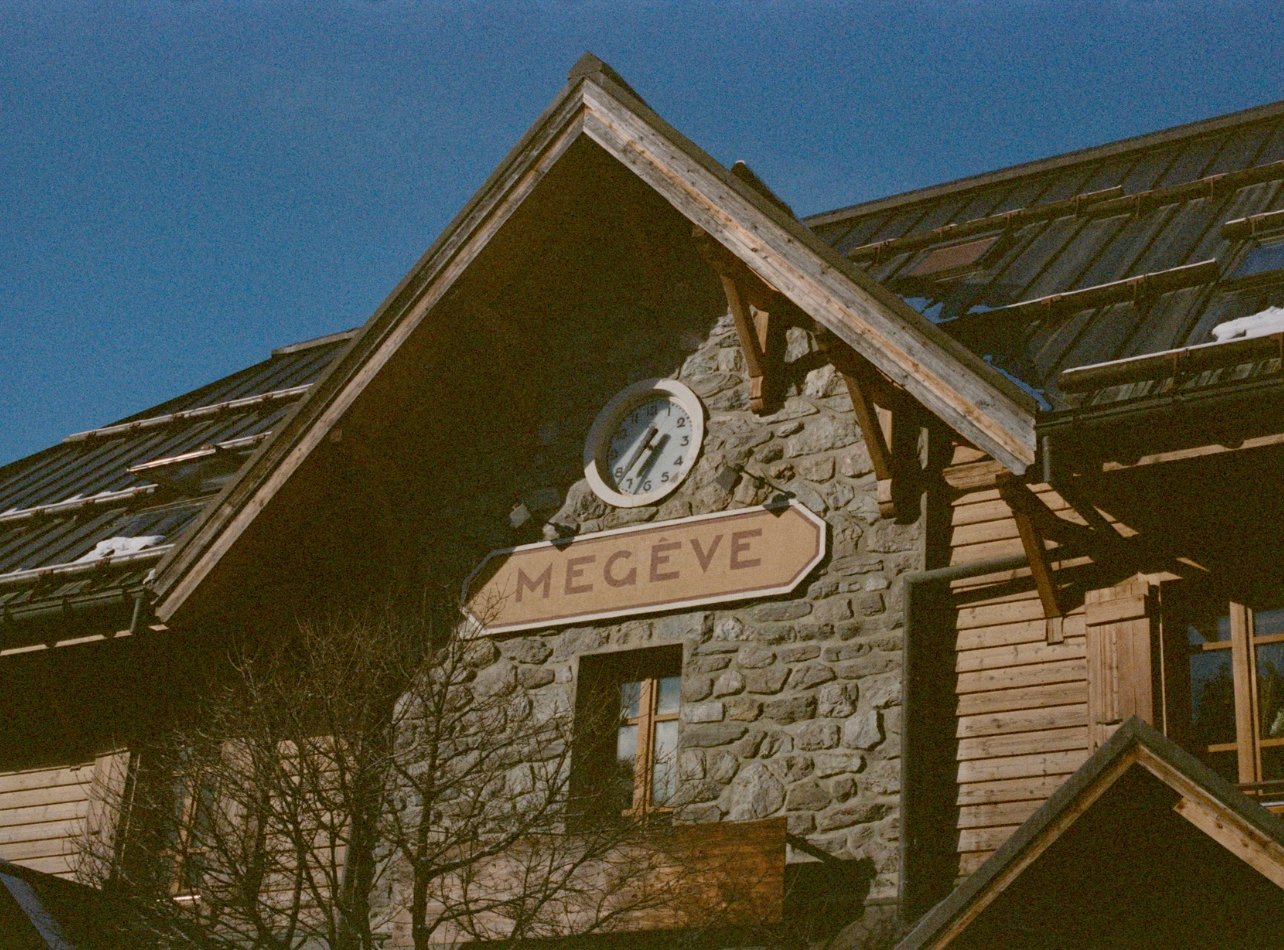
Welcome to the charming medieval village of Megève.
Megève, France
Tucked into the Haute-Savoie, Megève isn’t just another ski resort, it’s a century-old idea of Alpine refinement brought to life. When Baroness Noémie de Rothschild—unimpressed with the glitz of pre–World War I St. Moritz, and the turbulent political climate—set her sights on creating a French alternative, she worked with her personal ski instructor to locate this medieval village in the shadow of Mont d’Arbois. Nearly a century later, her vision endures. Today, Megève still feels like a place apart: horse-drawn carriages circling a church square, cobblestone lanes lined with a trove of boutiques, gourmet dining, and breathtaking vistas. For those visiting from the US, think of Megève as embodying the intimacy of the Hamptons or Martha’s Vineyard, a generational family enclave returned to, year after year.
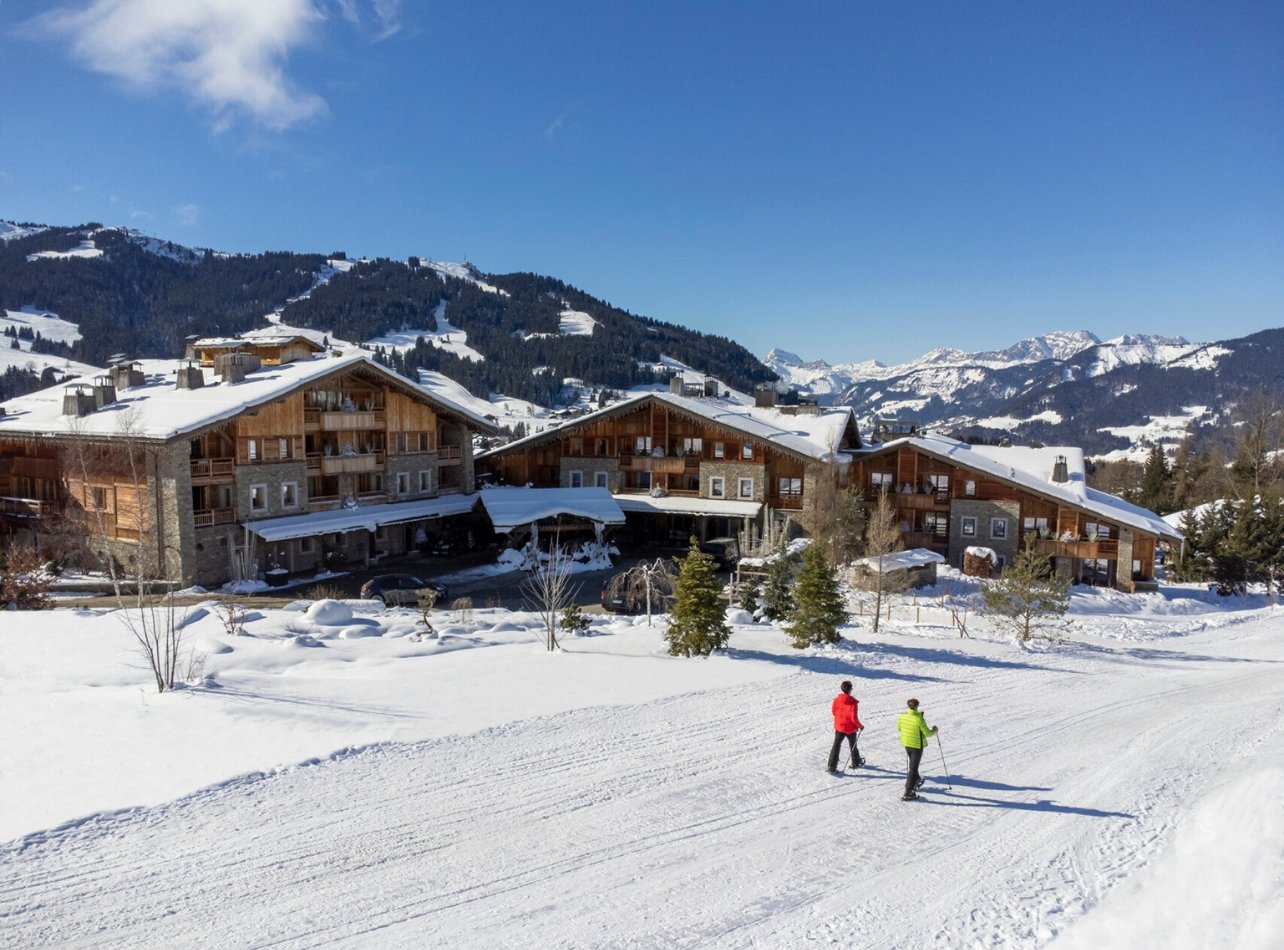
Snow-shoeing outside the Four Seasons. Photo by Sylvain Terret.
Where to Stay
Depending on how many people you are traveling with, the question becomes whether to rent a chalet or stay at a hotel. One of the principal local families in Megève, the Sibuets, own and operate multiple chalets in the region: All run and serviced like private hotels and each more fabulous than the next, accommodating as few as six to as many as 16 guests.
Les Fermes de Marie Owned by the Sibuet family, this beloved five-star property stitches together nine restored chalets into a rustic- luxe hamlet of 70 rooms and suites, and private, on-property chalets. The concierge is legendary; the spa is among the Alps’ finest (don’t return home without a few choices from their line of Pure Altitude products); families adore the kids’ club; and skiers appreciate the in-house ski shop that whisks you and your equipment straight to the slopes in one of the property’s vintage Land Rover Defenders.
Le Sarto Set just below Megève’s Calvary sanctuary, this seven-bedroom Art Deco chalet pays homage to architect Henry Jacques Le Même, the mind behind the modern ski chalet. A private wellness suite with pool, hammam, and yoga studio elevates the experience, while a dedicated manager and private chef ensures the comforts of a five-star hotel. The result is less a rental home and more a living museum of Alpine design.
Four Seasons Hotel Megève Ski-in/ski-out on Mont d’Arbois, this is Rothschild heritage reborn under a global luxury flag. Beyond the impeccable service, expect one of the region’s most indulgent spas, an extensive art collection, and the kind of ski concierge who makes you forget the hassle of gear altogether. Don’t miss its wine cellar, one of the largest in the Alps, holding more than 15,000 bottles.
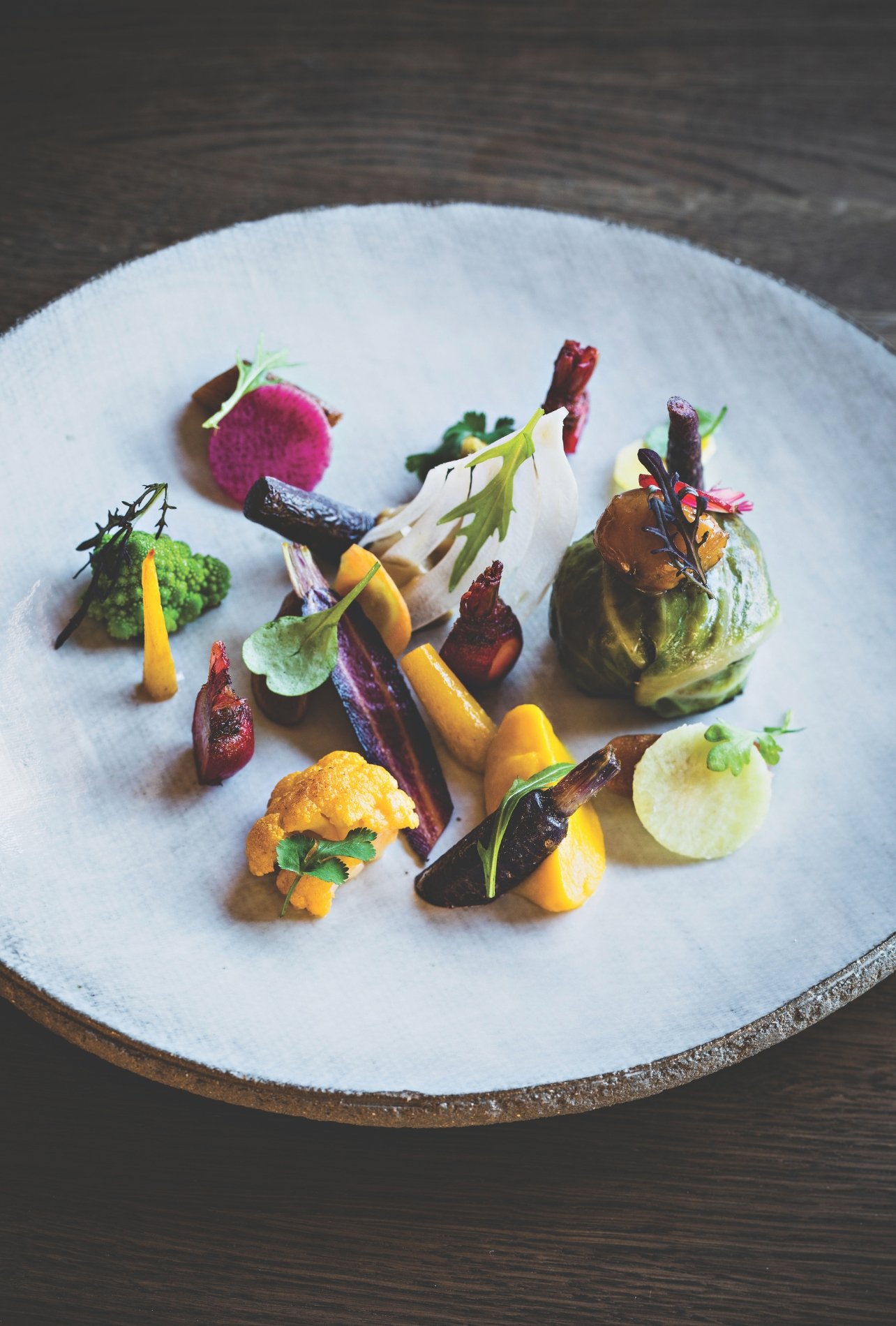
A bright smattering of vegetables composed by Chef Alexandre Baule at Michelin-starred La Table de l’Alpaga.
Where to Dine
Michelin Stars & Fine Dining
Flocons de Sel Emmanuel Renaut’s three Michelin–starred gastronomic masterpiece has finally reopened in its eponymous hotel.
La Table de l’Alpaga Contemporary Alpine cuisine by Chef Alexandre Baule earned its Michelin star with precision and flair, and is focused on local ingredients.
In and Around the Village
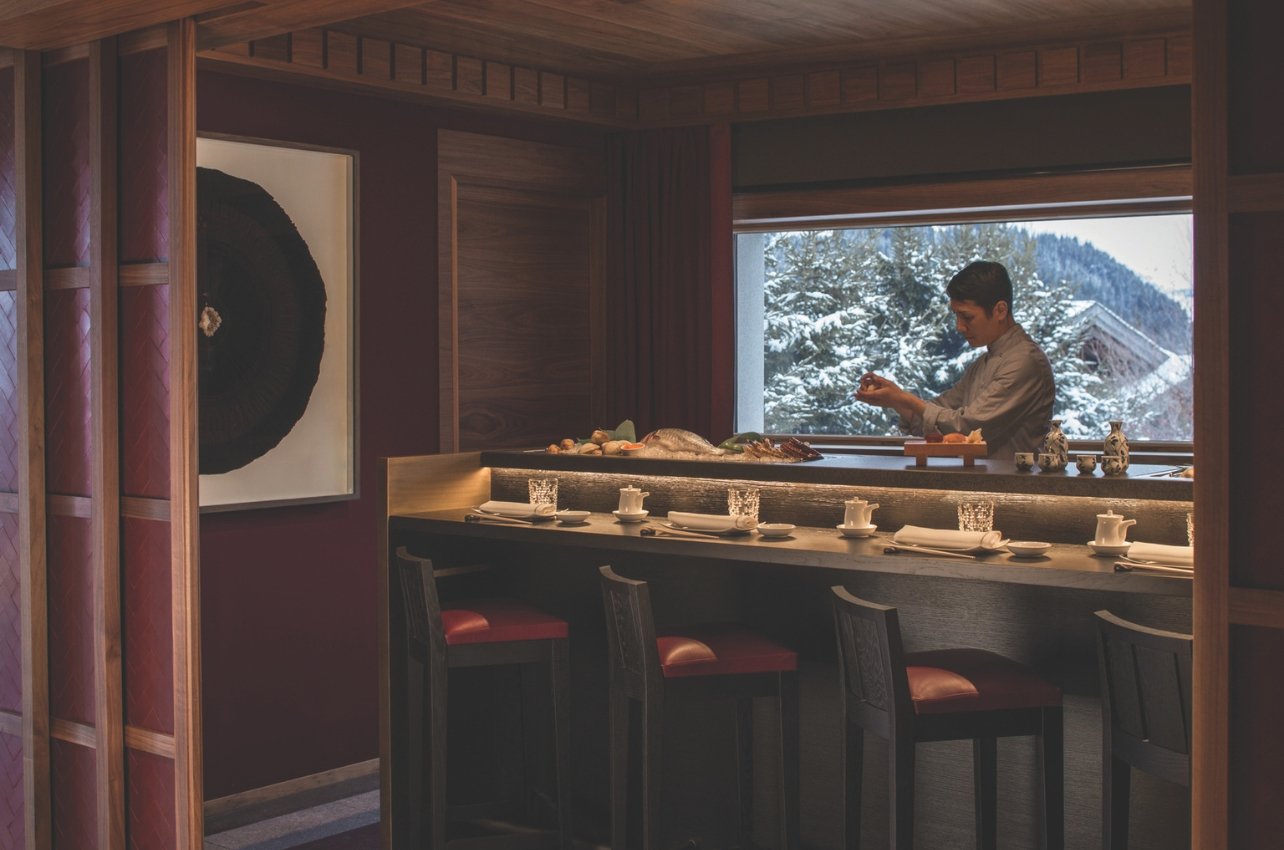
Kaito, inside Megève’s Four Seasons hotel, is a culinary gem. Photo by Richard Waite.
Brasserie Benjamin A buzzing, all-day brasserie with elevated comfort food, and Kaito for elevated Japanese fare that rivals any urban counterpart. Be sure not to miss the tasting menu. Both are located in the Four Seasons.
Le Restaurant Traditionnel Les Fermes de Marie Alpine-inspired fare centered in the heart (and hearth) of the hotel. The hotel’s fondue restaurant, Le Carnotzet, is also not to be missed.
Le Hibou Blanc The buzziest brasserie-bar in town is perfectly situated on the main square for people-watching; ideal for lunch or après-ski cocktails.
Le Beef Lodge Located in the Lodge Park hotel, this is one of the best steakhouses in the Alps. Not to be confused with the popular Beef Bar chain that has sprung up across Europe, this is a one-of-a kind institution.
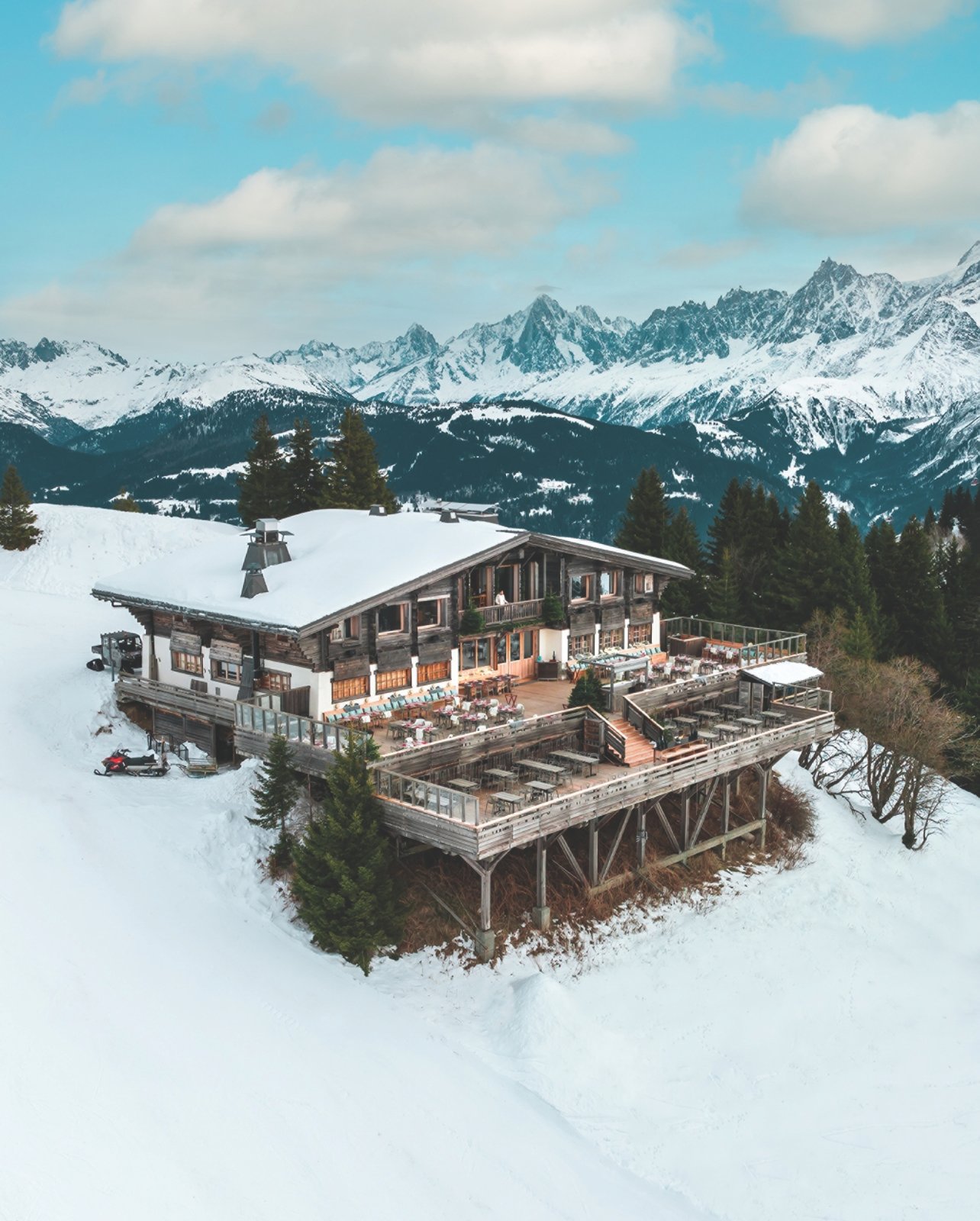
Idéal 1850 is a favored lunch spot with panoramic views. Photo by Jeremy Austin.
On the Slopes
Idéal 1850 Lunch with panoramic views and Champagne sabering.
Le Relais des Fermes Classic mountain dishes with a polished touch.
Sous les Freddy’s A local favorite, equal parts cozy and chic. Perfect for lunch or aprés vibes. It’s almost impossible to find, so be sure to ask your ski instructor.
How to Après Now
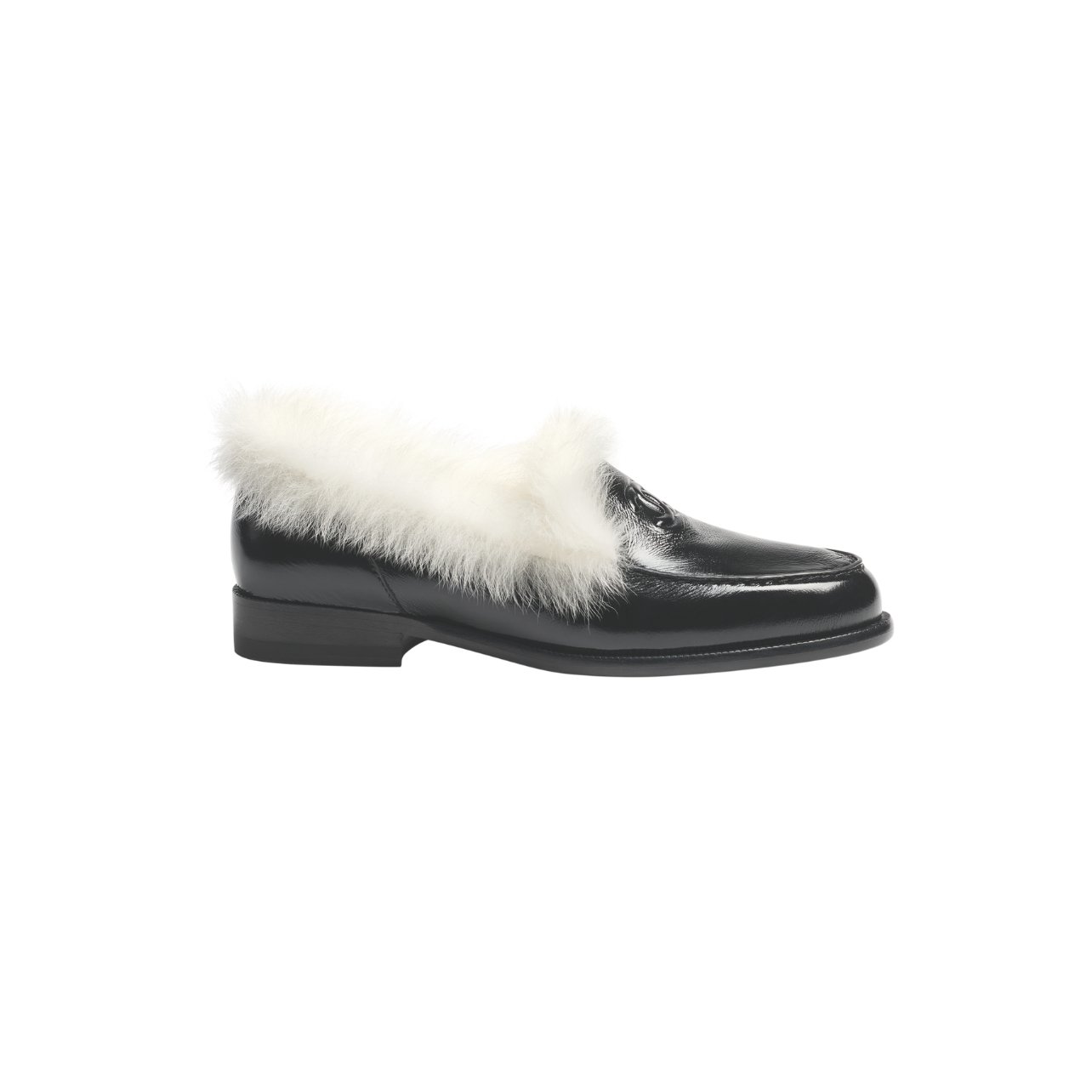
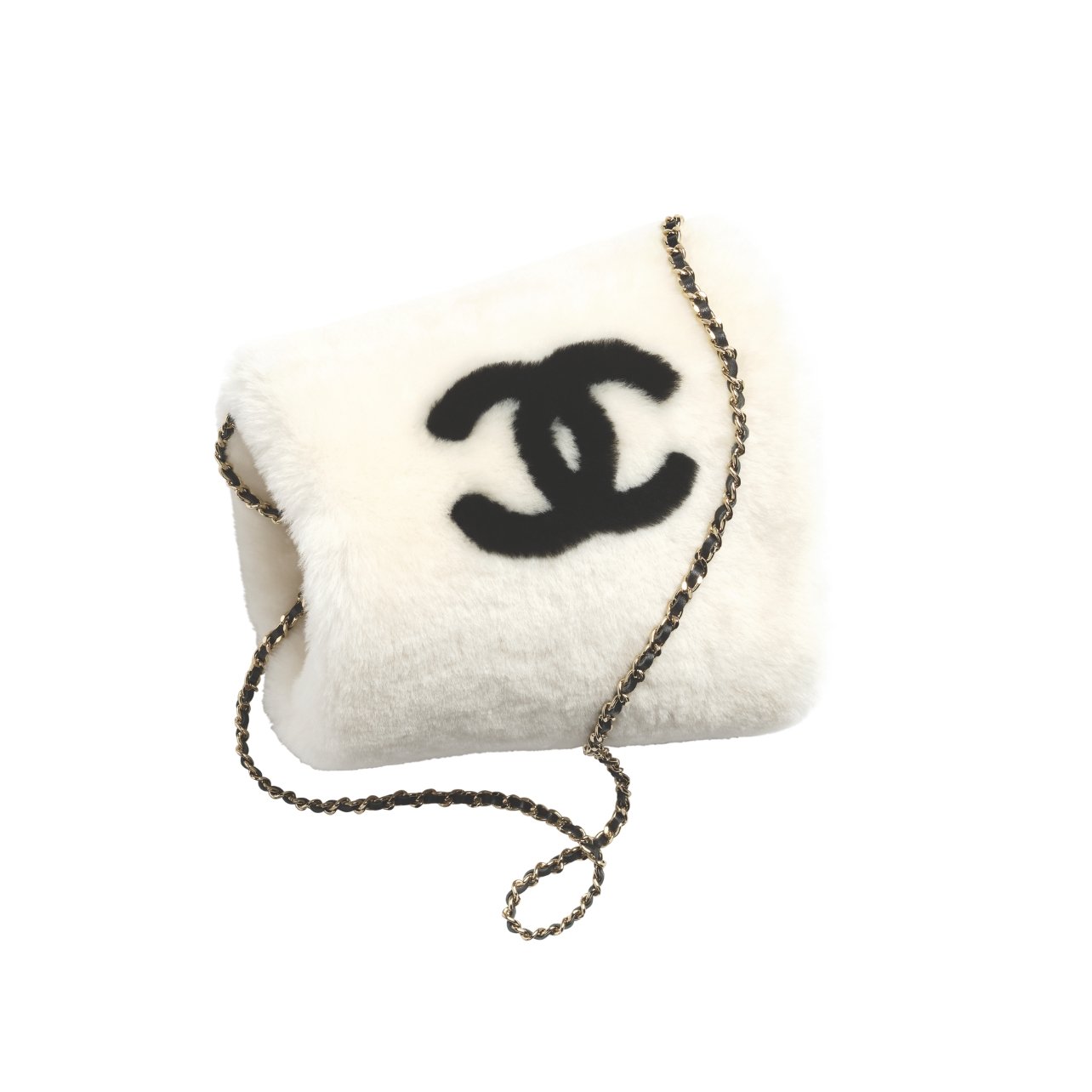
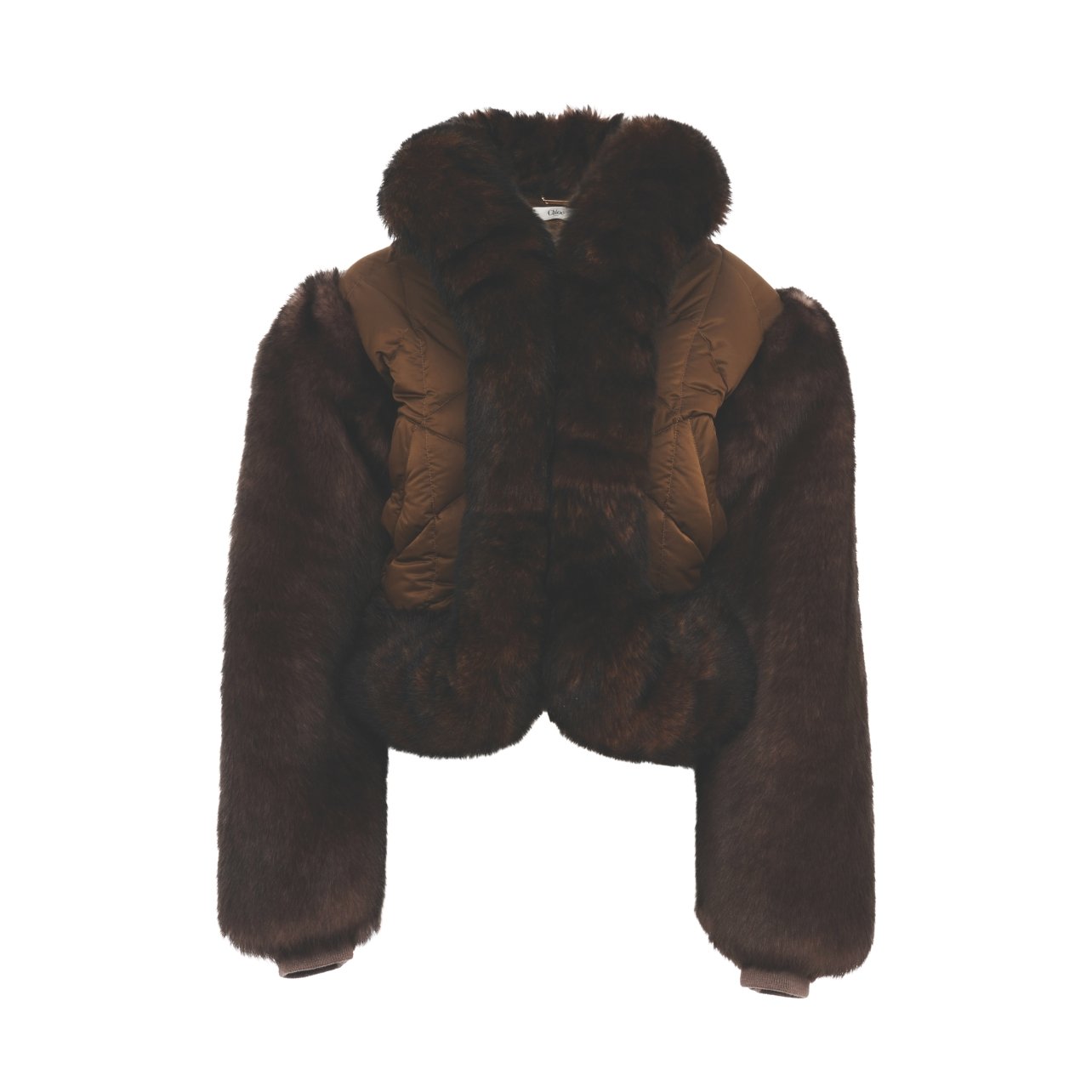
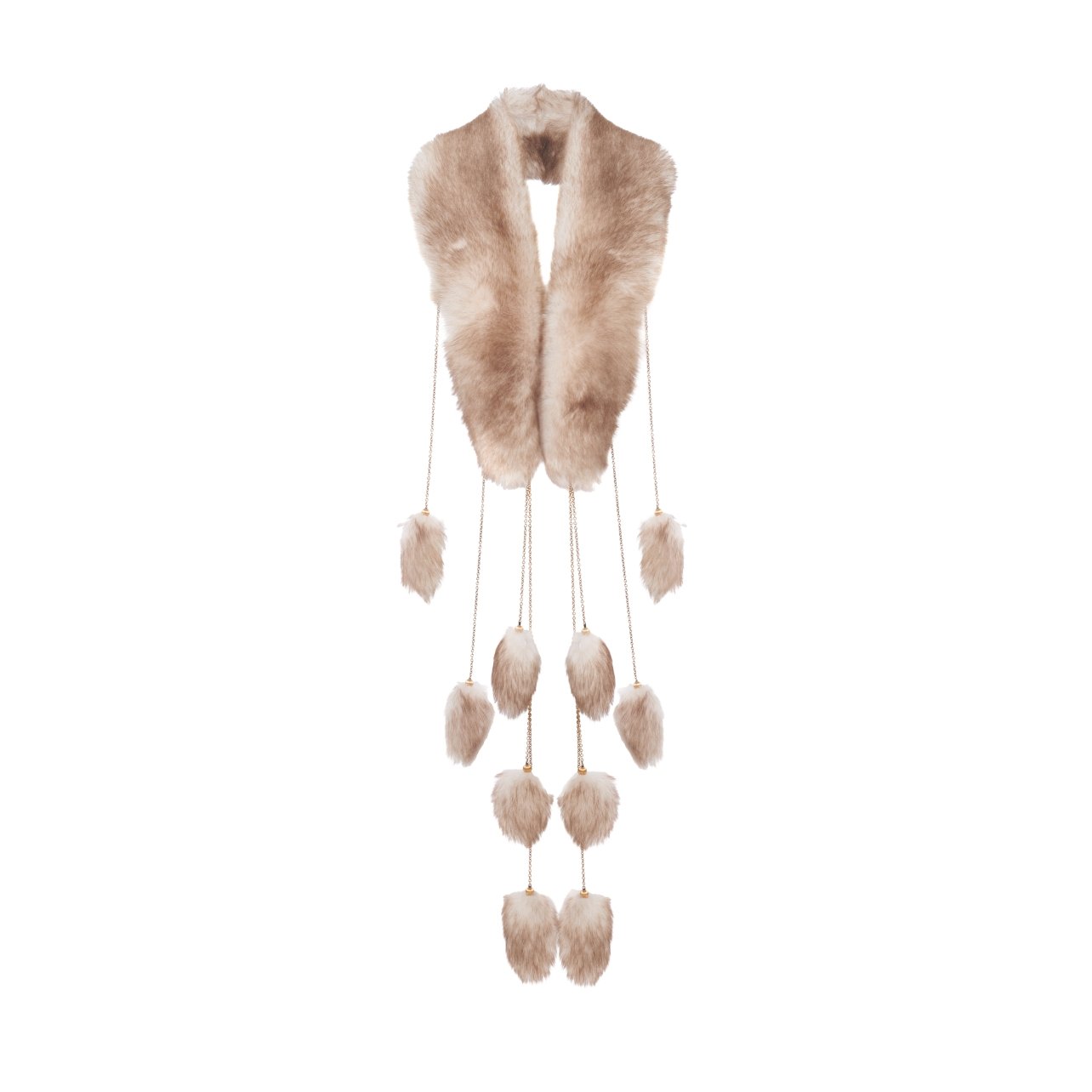
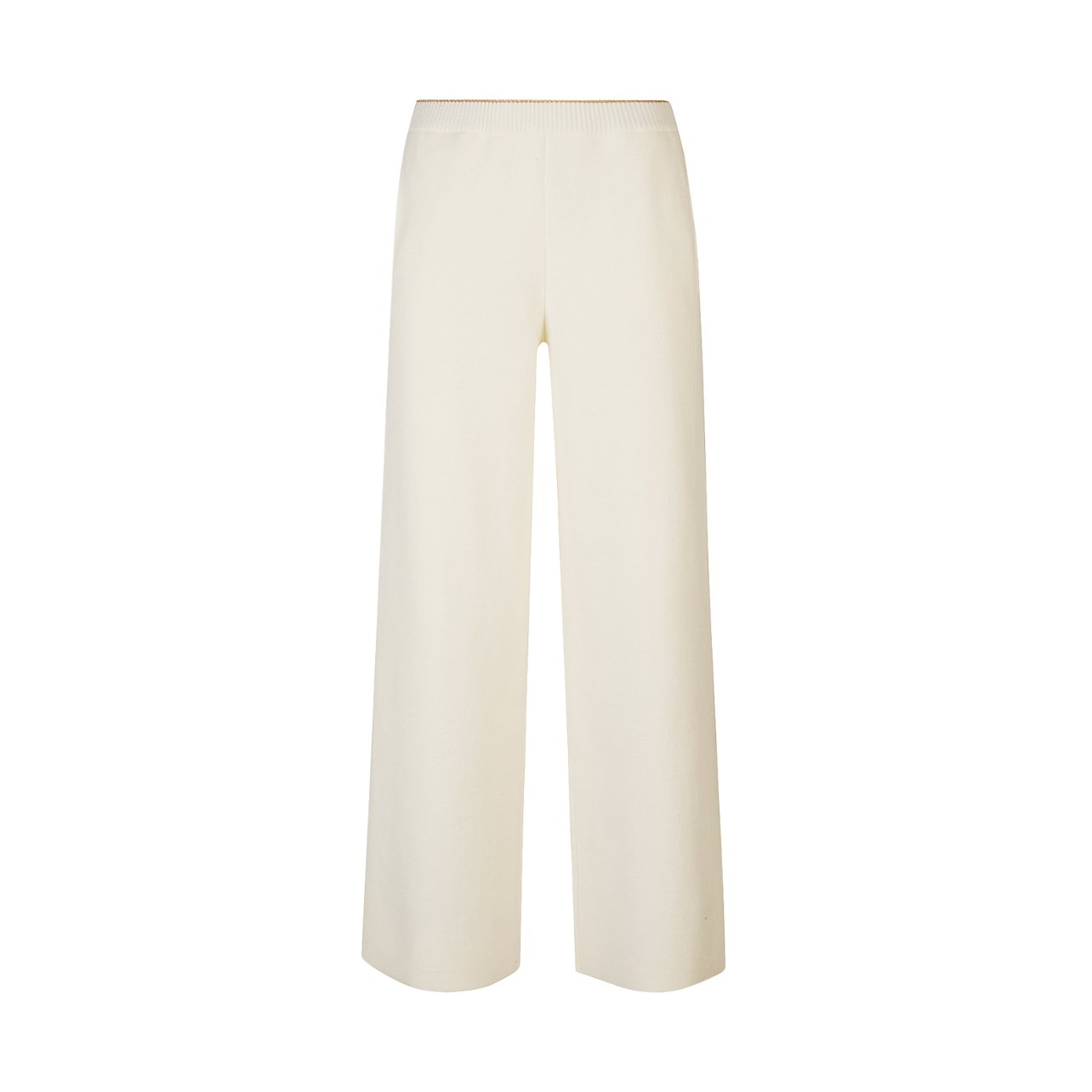
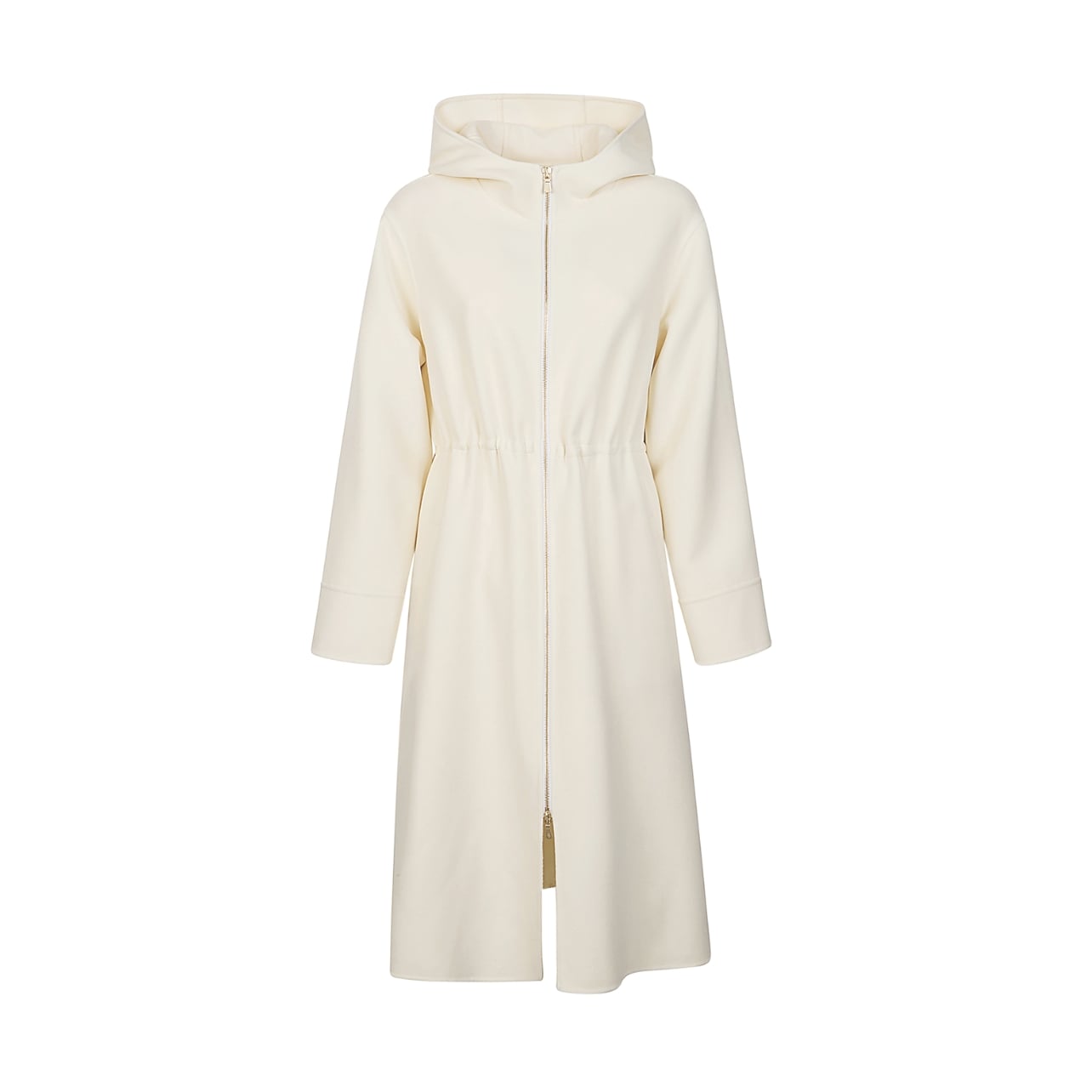
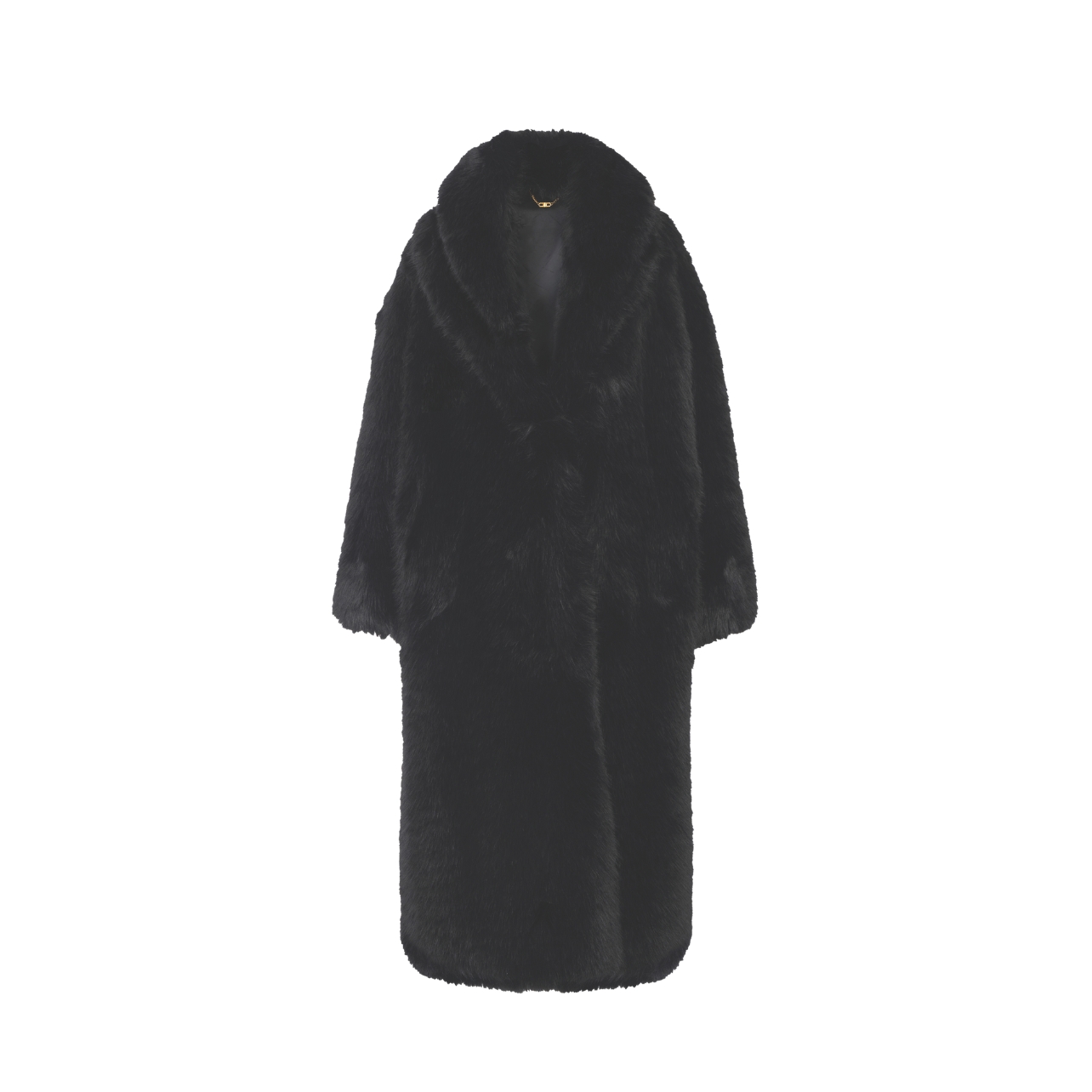
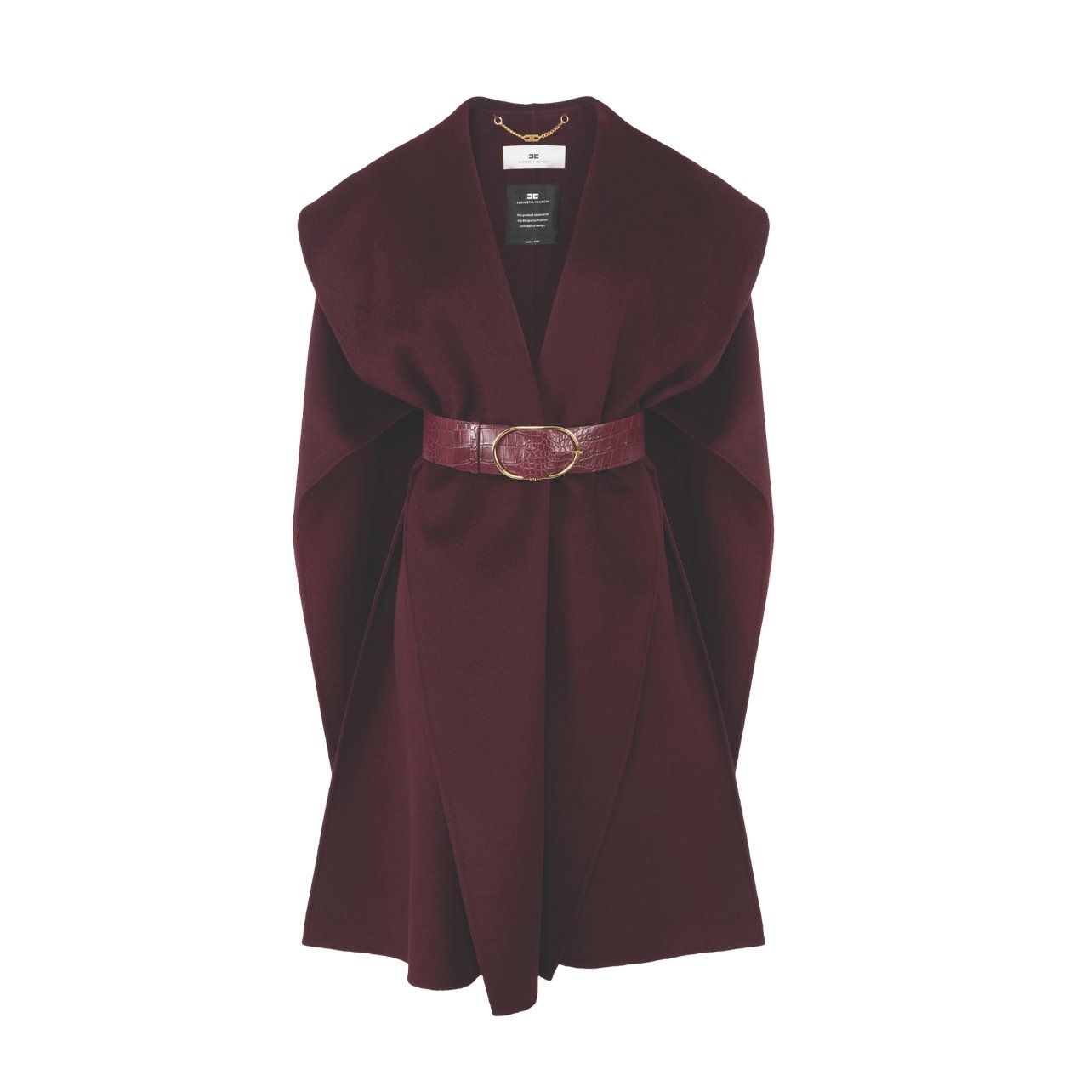
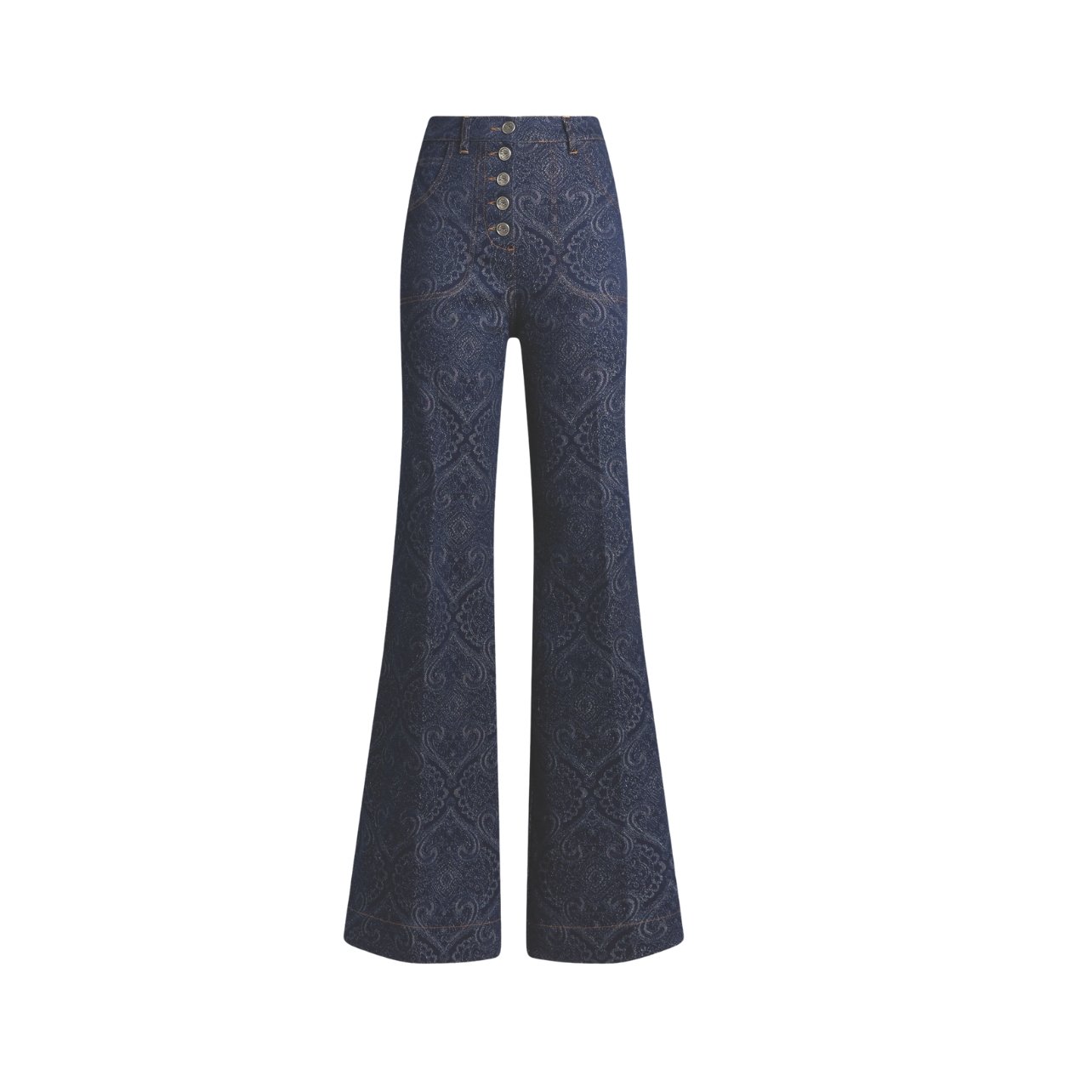
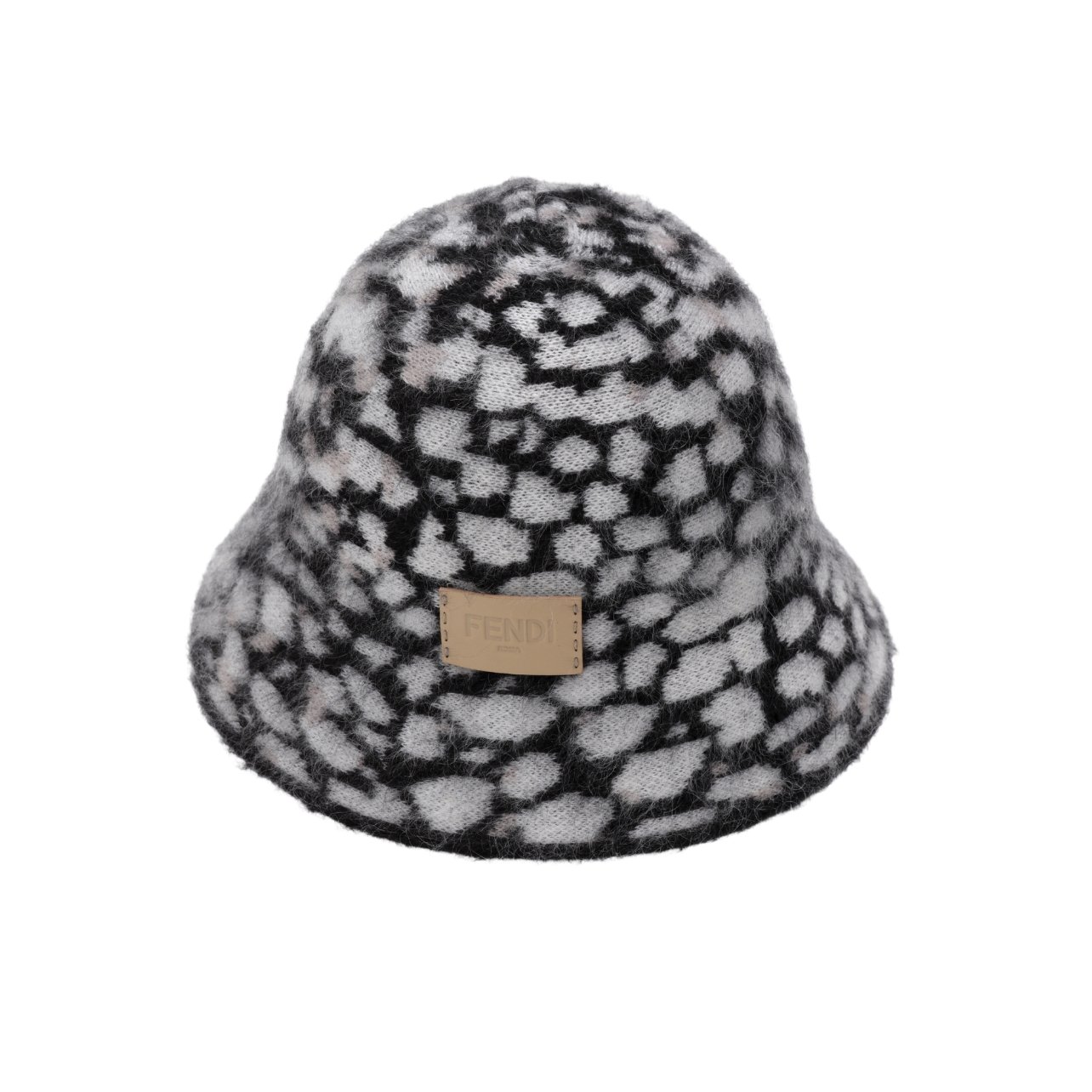
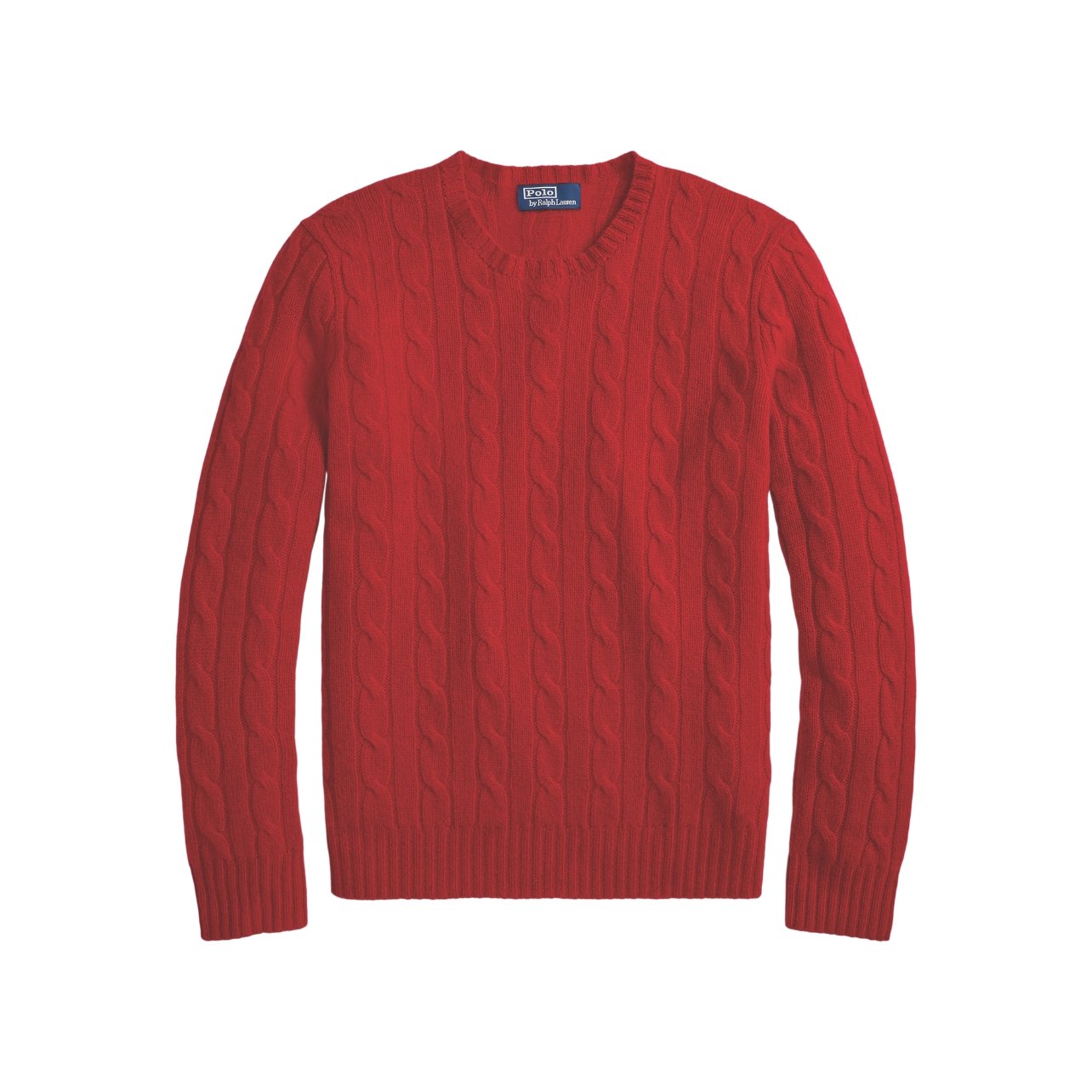
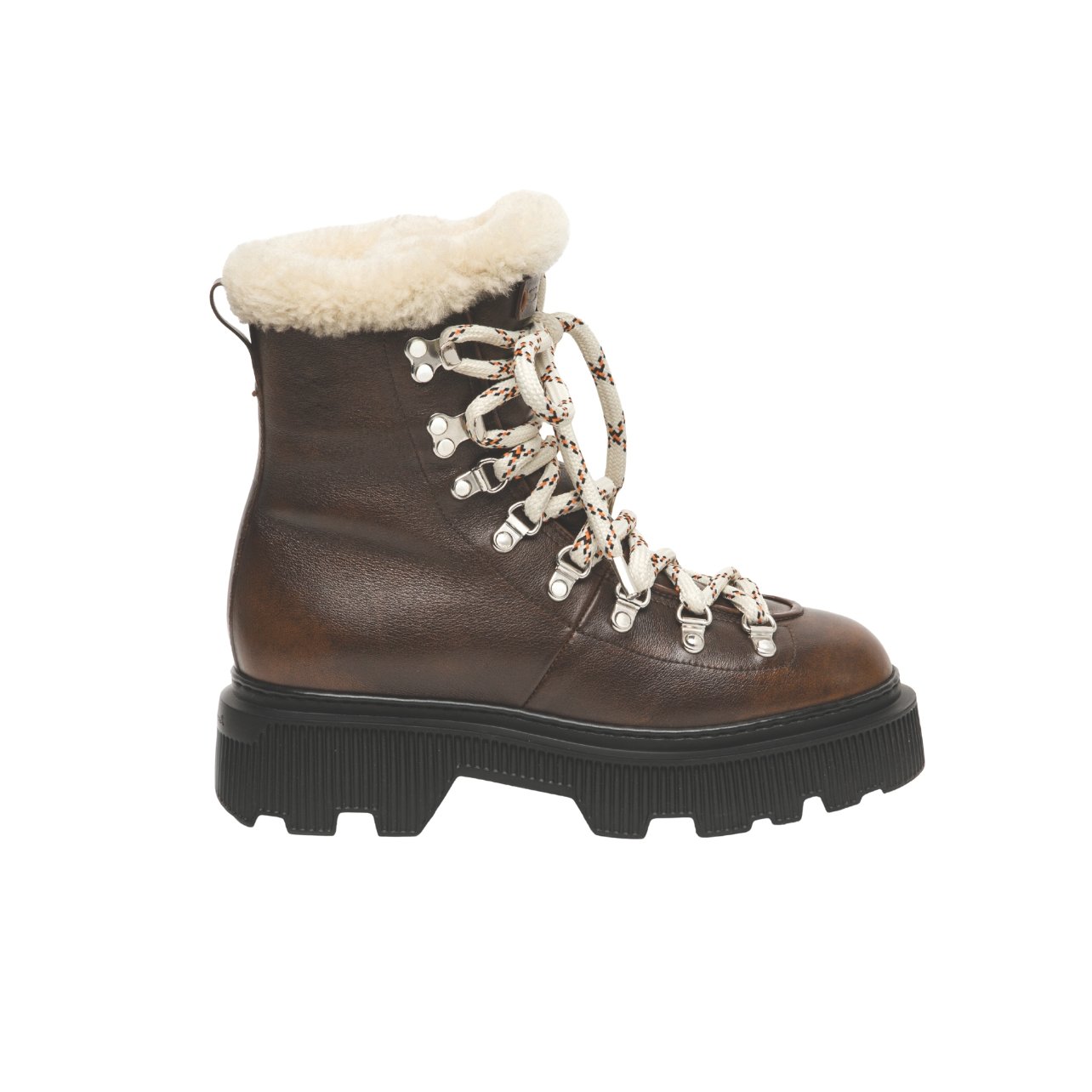
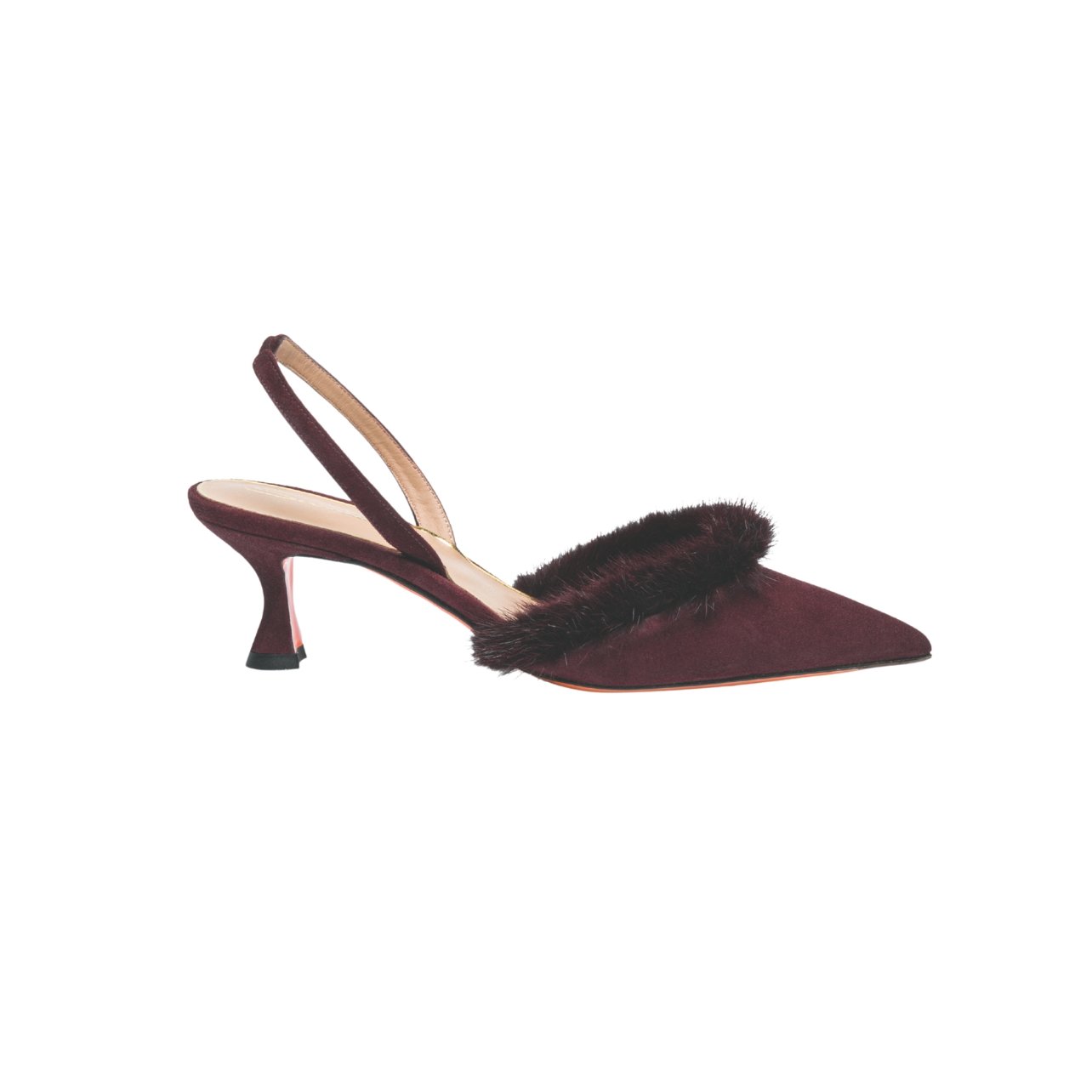
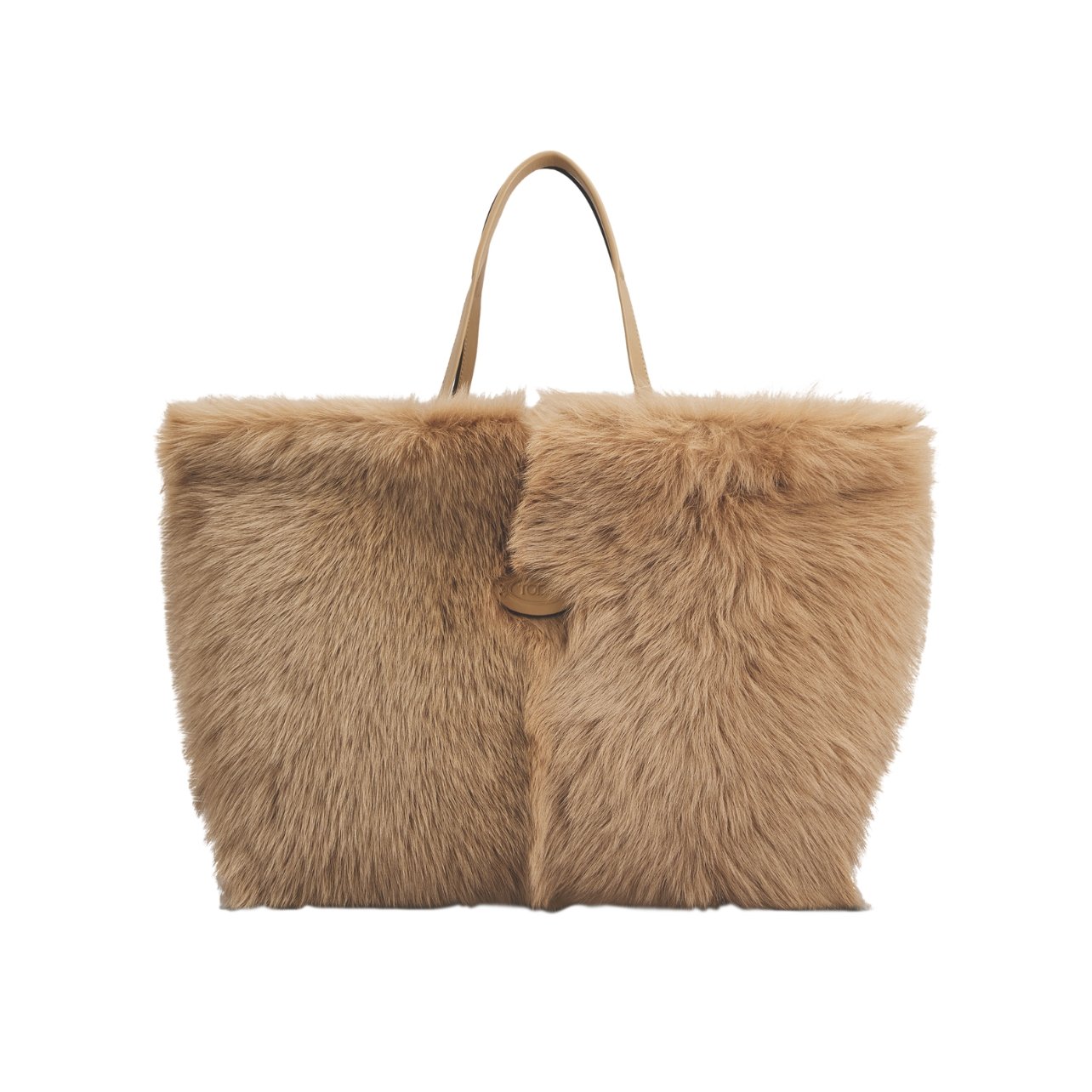
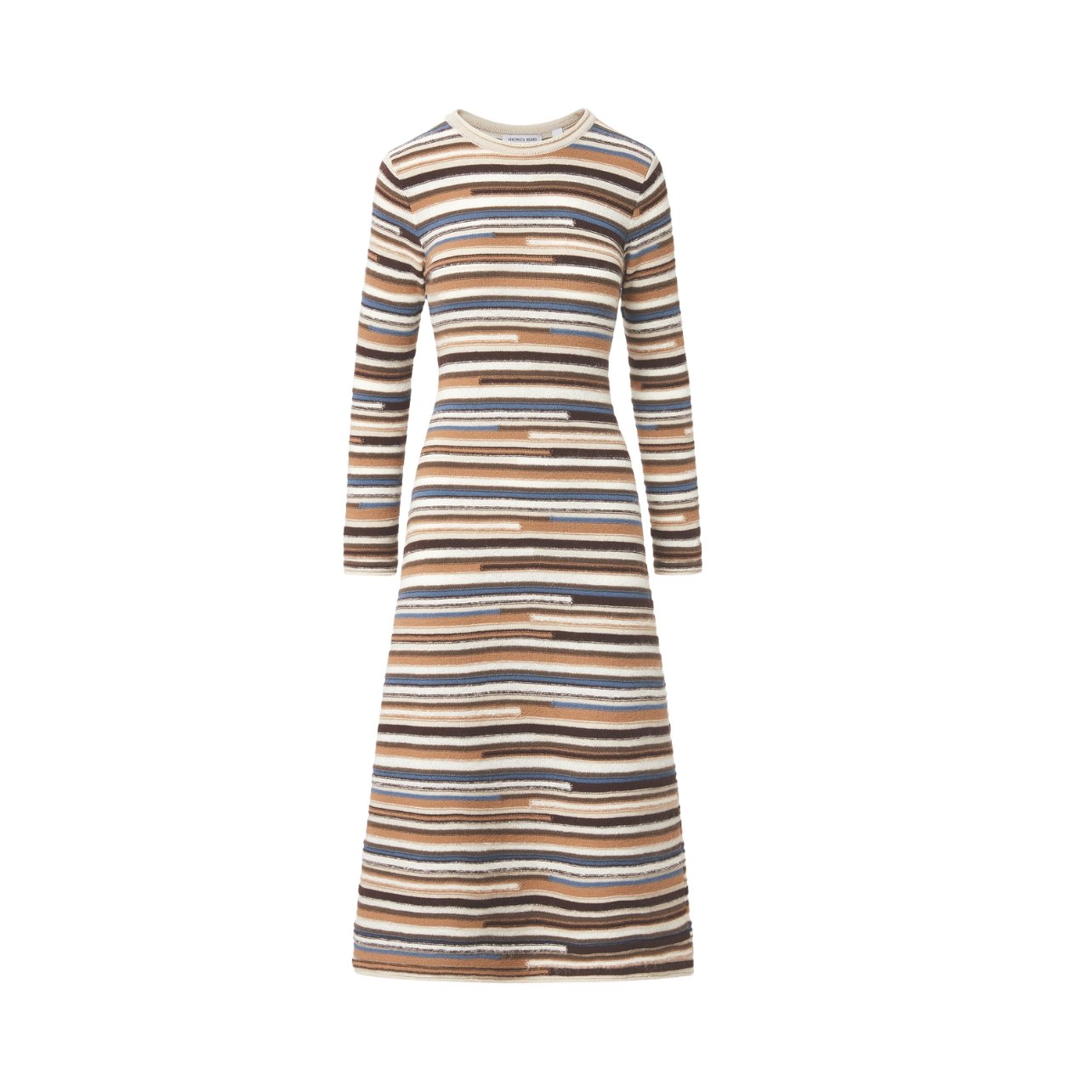
From chalet to Champagne bar, après-ski style is heating up this season. Think sculpted knits, sumptuous layers, and shearling trimming in all the right places—because true alpine glamour happens off the mountain. —Jennifer Perlman