by Nick Remsen
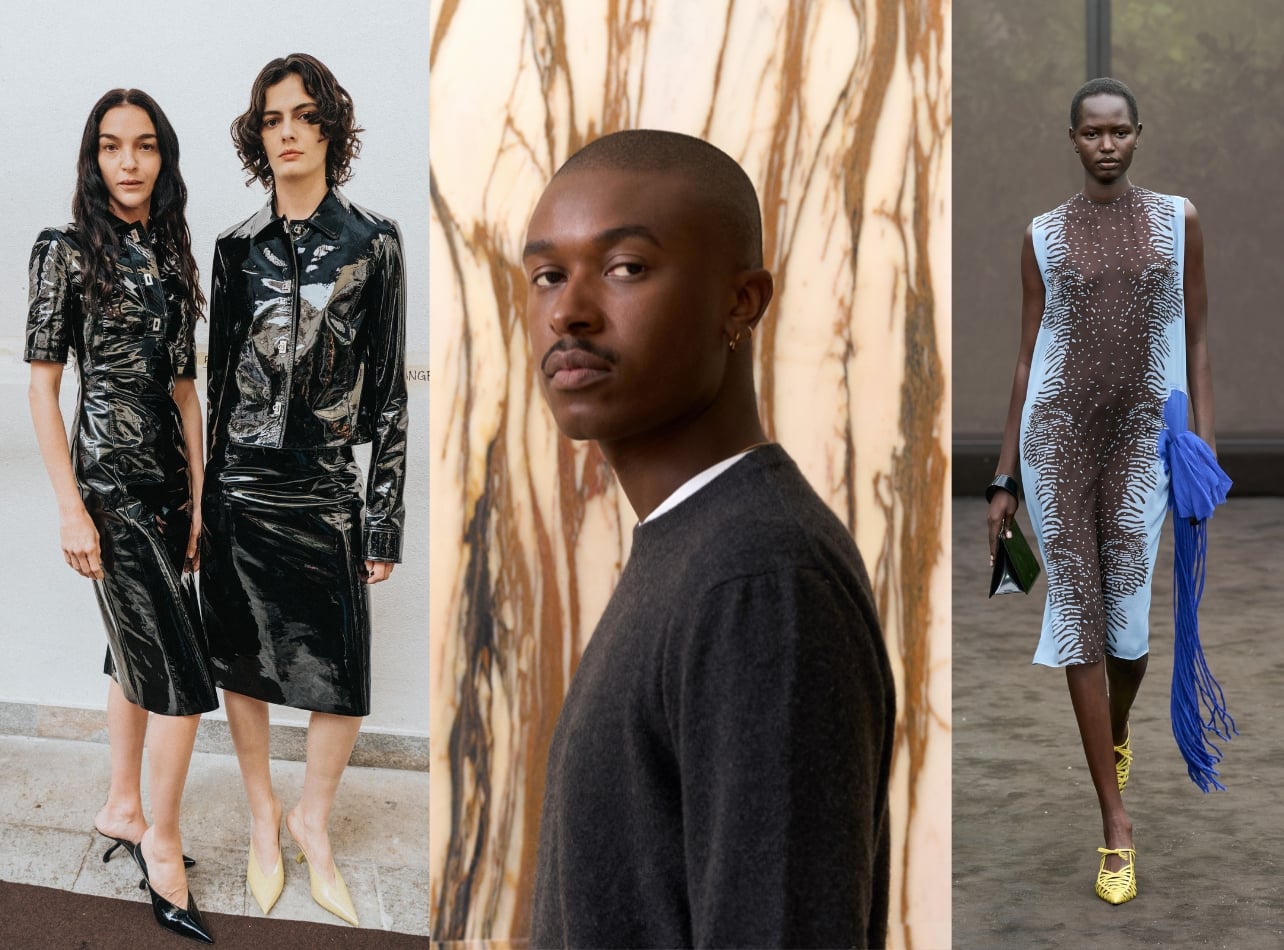
Ferragamo Creative Director Maximilian Davis; photo by Rita Lino.
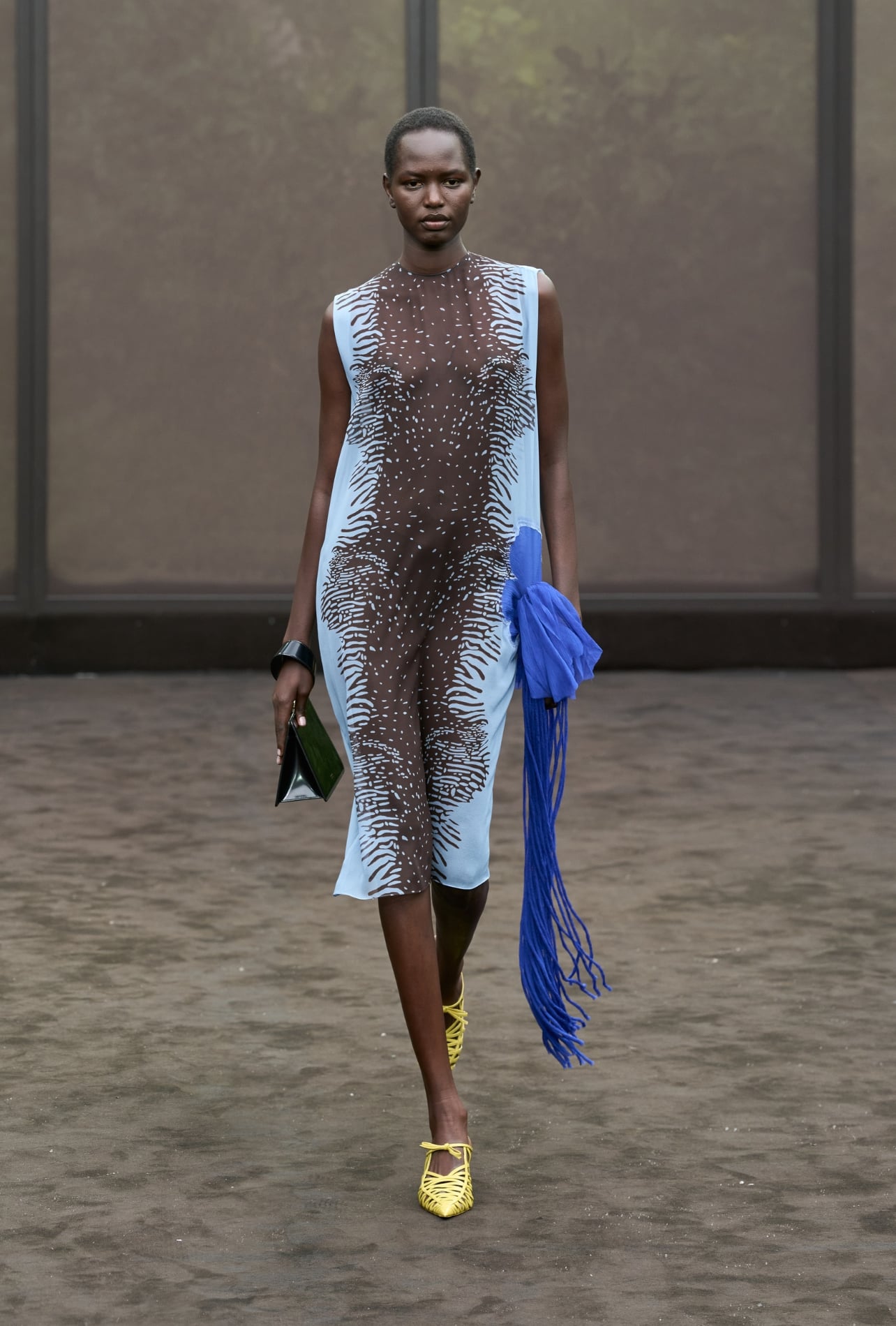
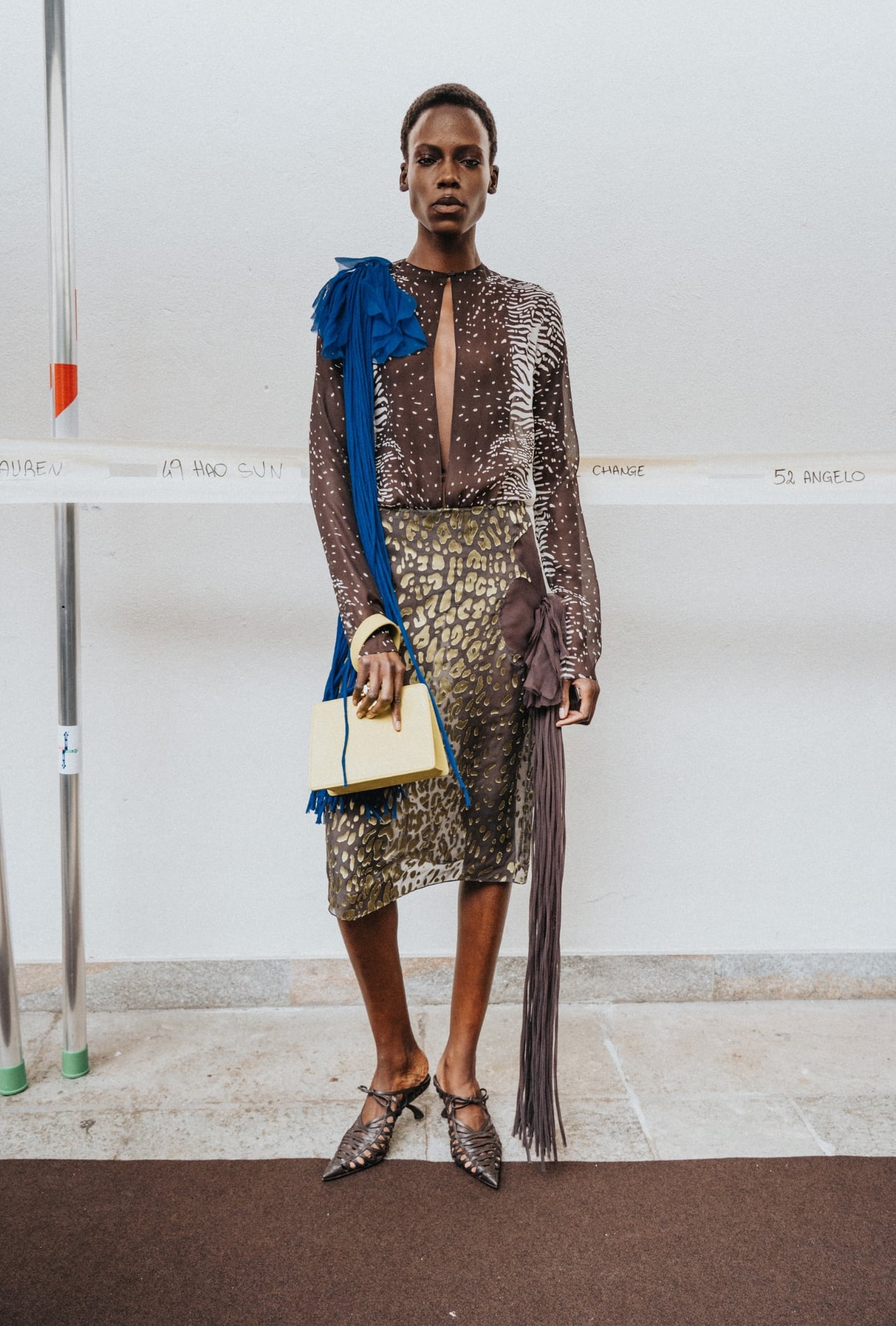
“I wanted to convey a sense of liberation, and for Spring 2026 in particular, we looked to the 1920s as a key source of inspiration for me,” says Ferragamo Creative Director Maximilian Davis. “That was a moment people were celebrating freedom, rebelling against society—creating for themselves. Women dressed in relaxed, loose silhouettes, redefining femininity and pushing back against societal norms.” Davis, who brilliantly mines the depths of Ferragamo’s archive to create endlessly in-demand contemporary collections, has been at the helm of the Florentine house for the last four years. Ahead of the release of his Spring collection, which is in-store now at Bal Harbour Shops, we chatted with the British-born designer about house codes, history, and how he continues to innovate season after season.
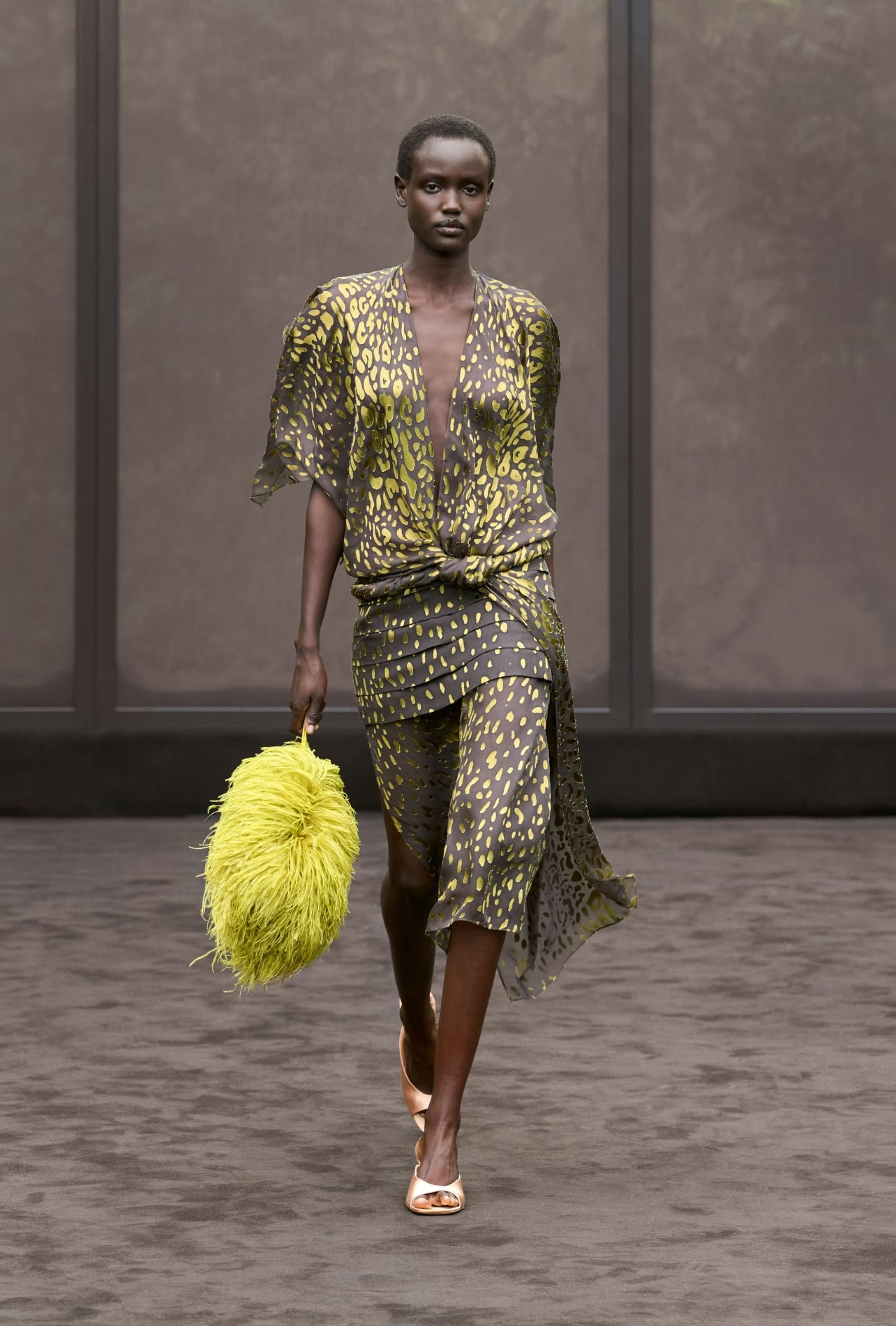
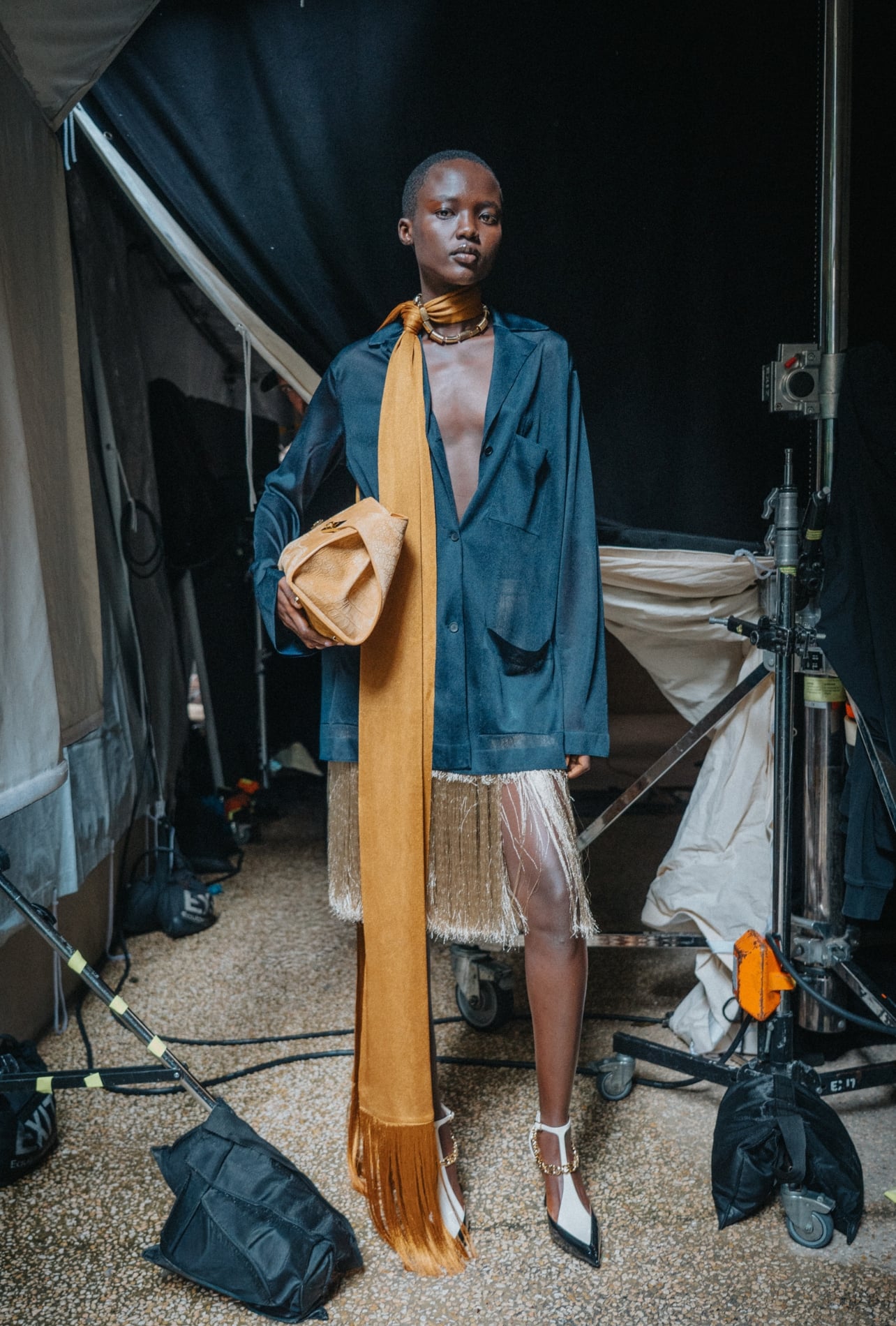
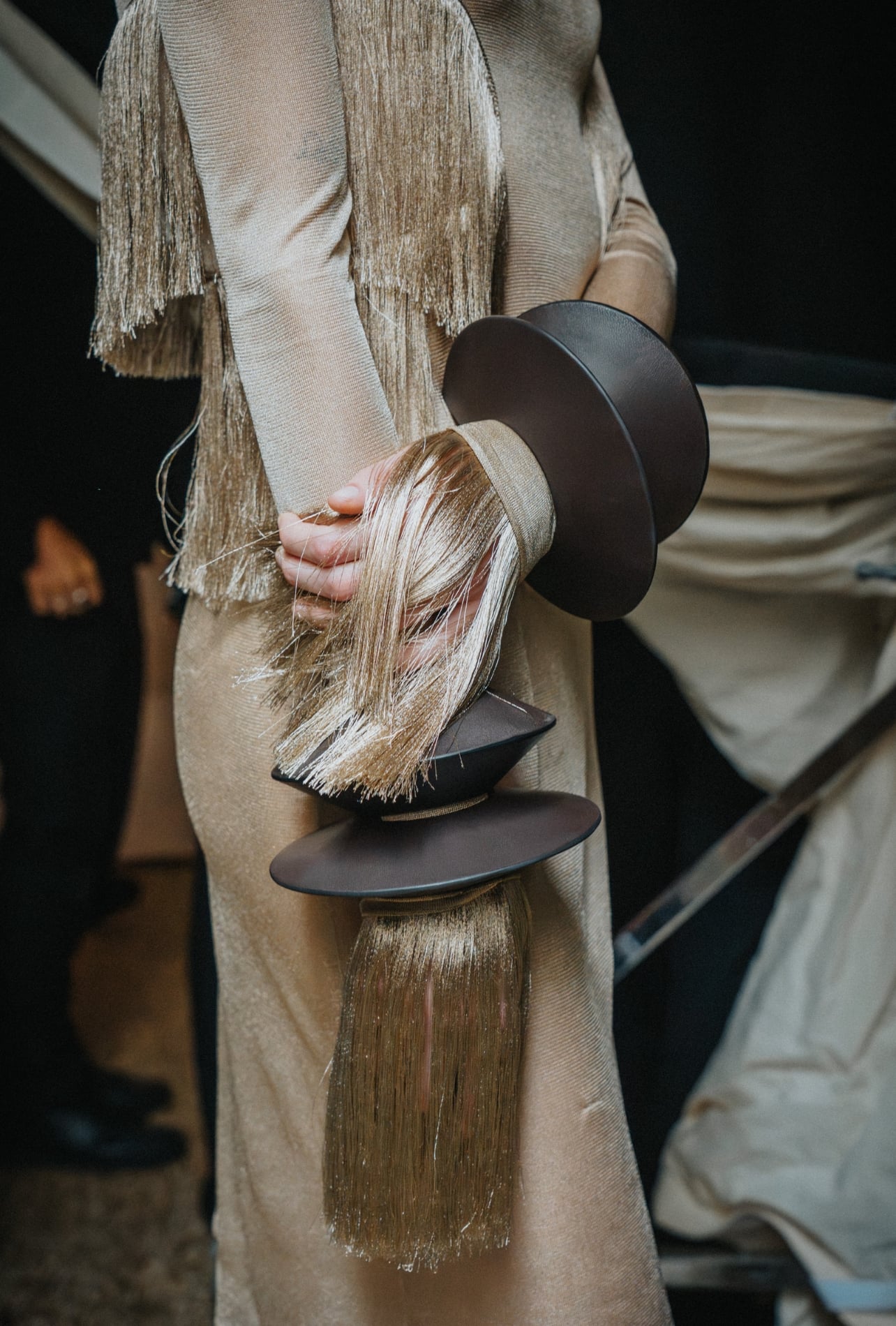
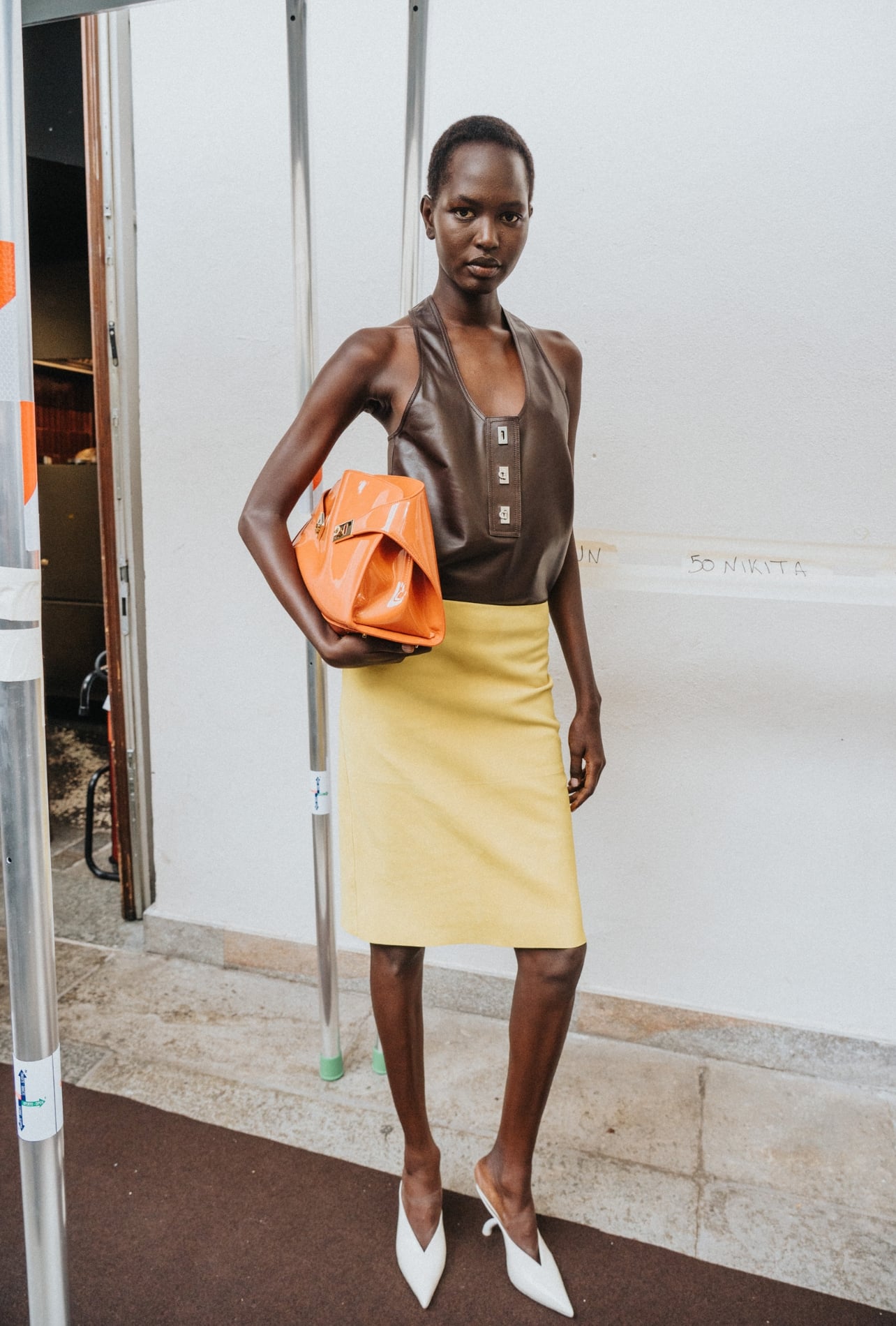
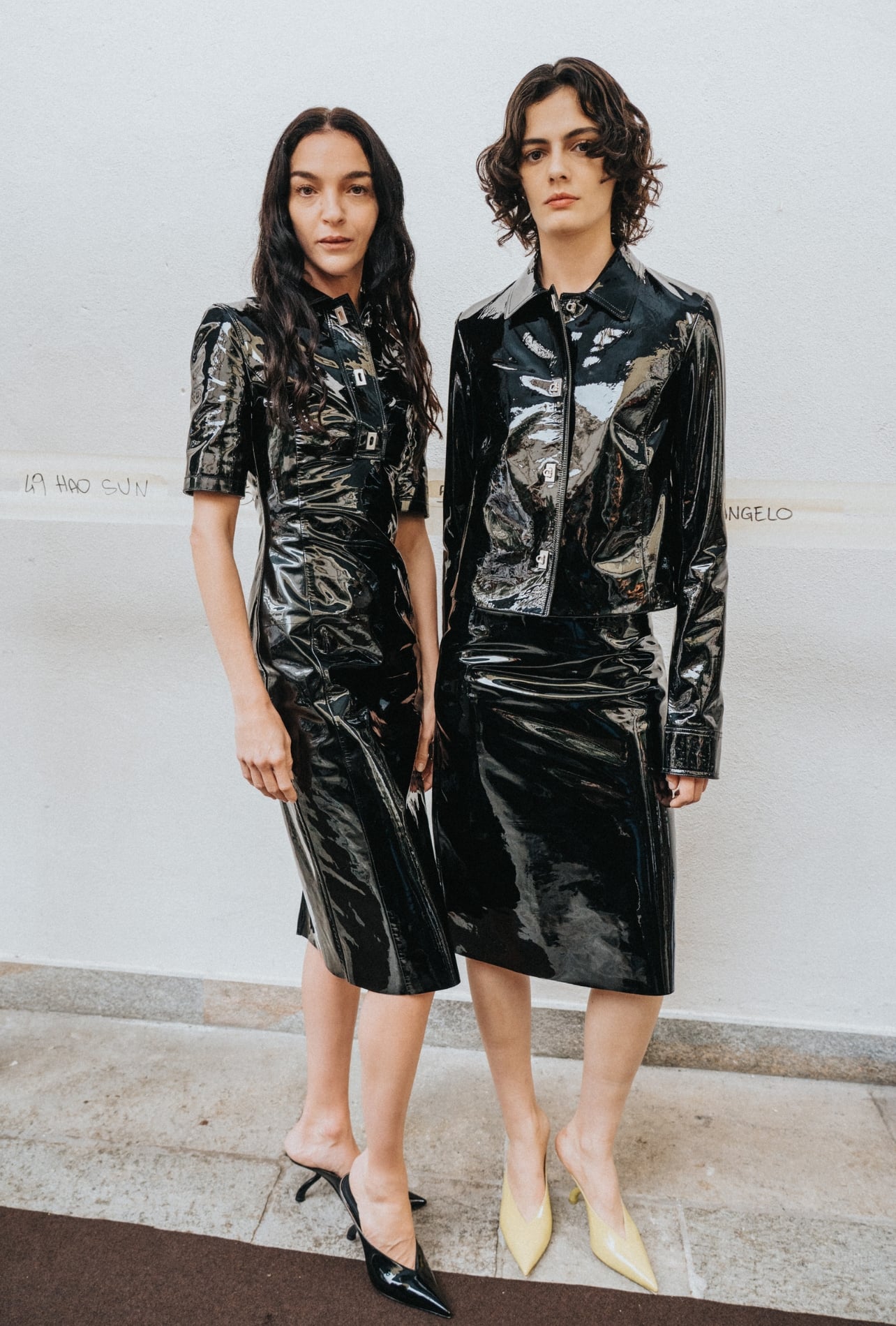
Ferragamo’s history is rooted in innovation as much as elegance. Which house codes feel non-negotiable to you—and which are still open for reinterpretation?
Innovation and elegance have defined Ferragamo since Salvatore registered the first of many patents, and that remains at the center of who we are today; but what I am trying to do is to modernize that elegance. To give it new energy. In each collection, I always start with the archives, utilizing Ferragamo’s history as a starting point; but naturally, my aesthetic and my heritage always come out some way or another.
Is there an element of the Ferragamo archive you feel is still misunderstood, or under-recognized, by the industry at large?
I don’t think many people understand truly how rich and abundant the Ferragamo archive is; it contains over 14,000 pairs of shoes alone! What I do hope more people begin to understand through my work is how I adopt the precision and craft that Salvatore worked with from such an early age. I find inspiration in this every day, and it has allowed me to grow and expand Ferragamo under my own creative direction.
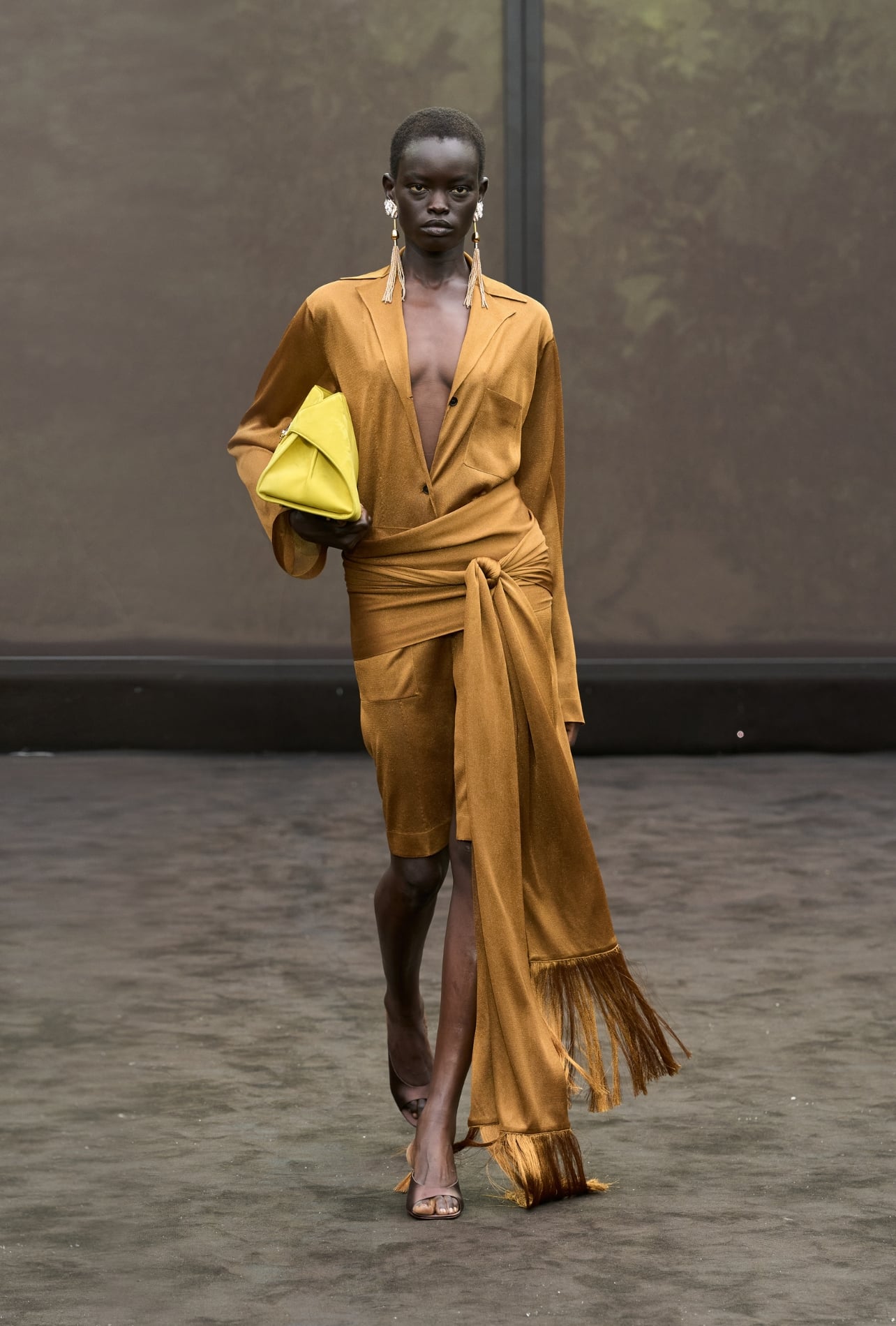
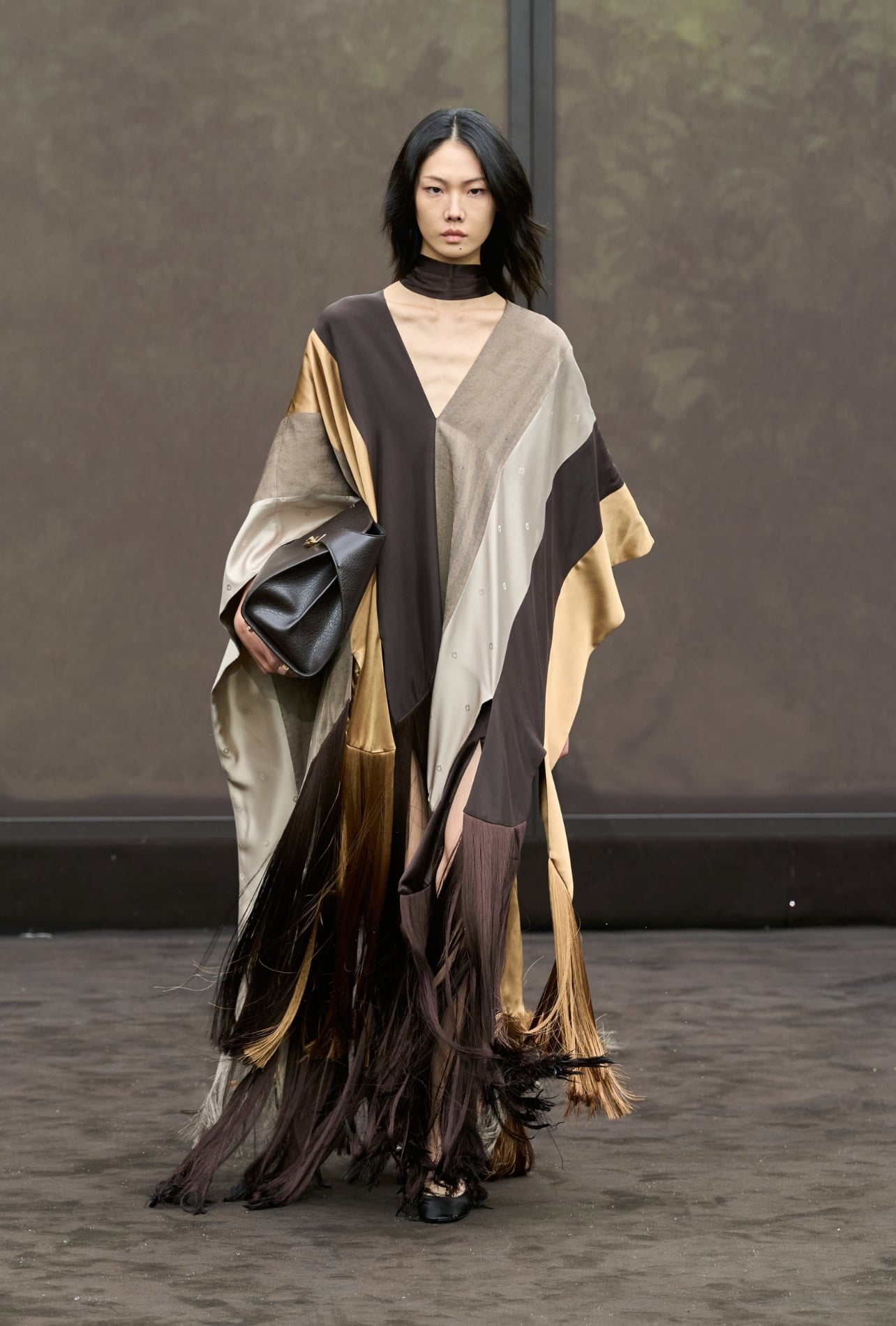
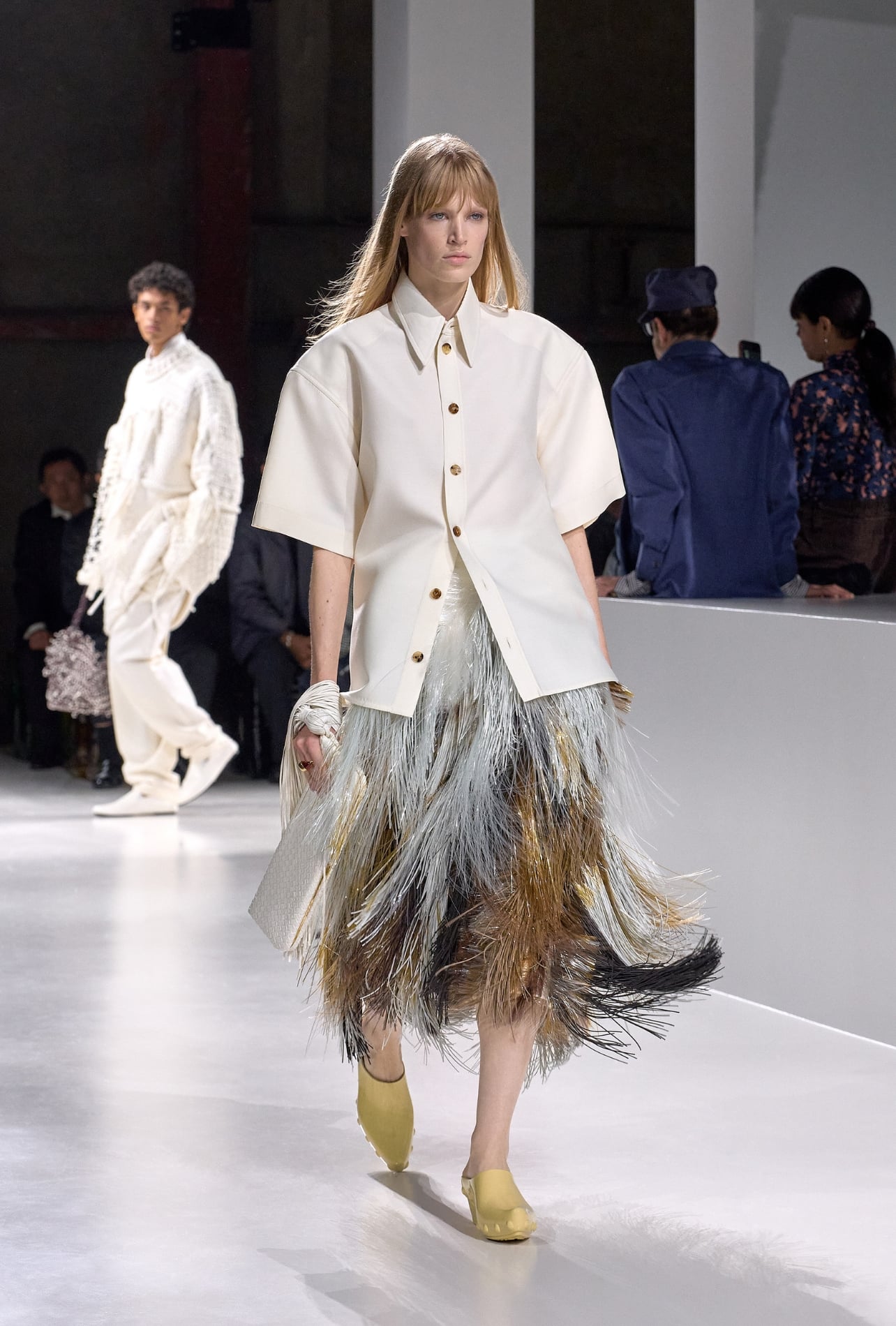
Ferragamo has an incredible history of dressing Hollywood. What makes a red-carpet moment actually resonate beyond the night itself?
Of course, it is making sure the look is constructed perfectly for the talent, and making sure they are as comfortable and as confident as possible. We want to create product and images that not only look good on a screen but also look and feel good to the people wearing them. I’ve always said to be sexy is more a feeling rather than an image.
How far ahead do you personally think when designing?
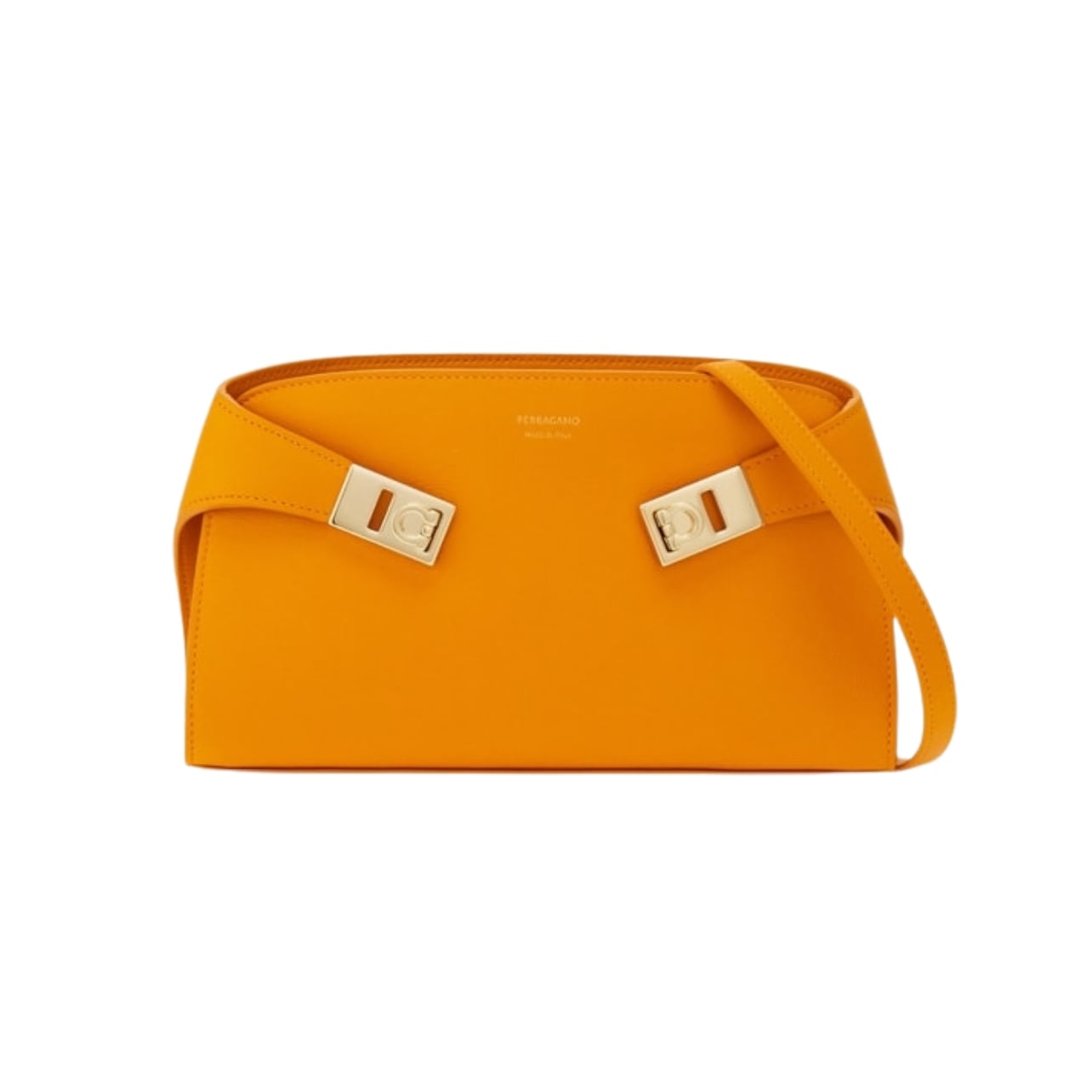
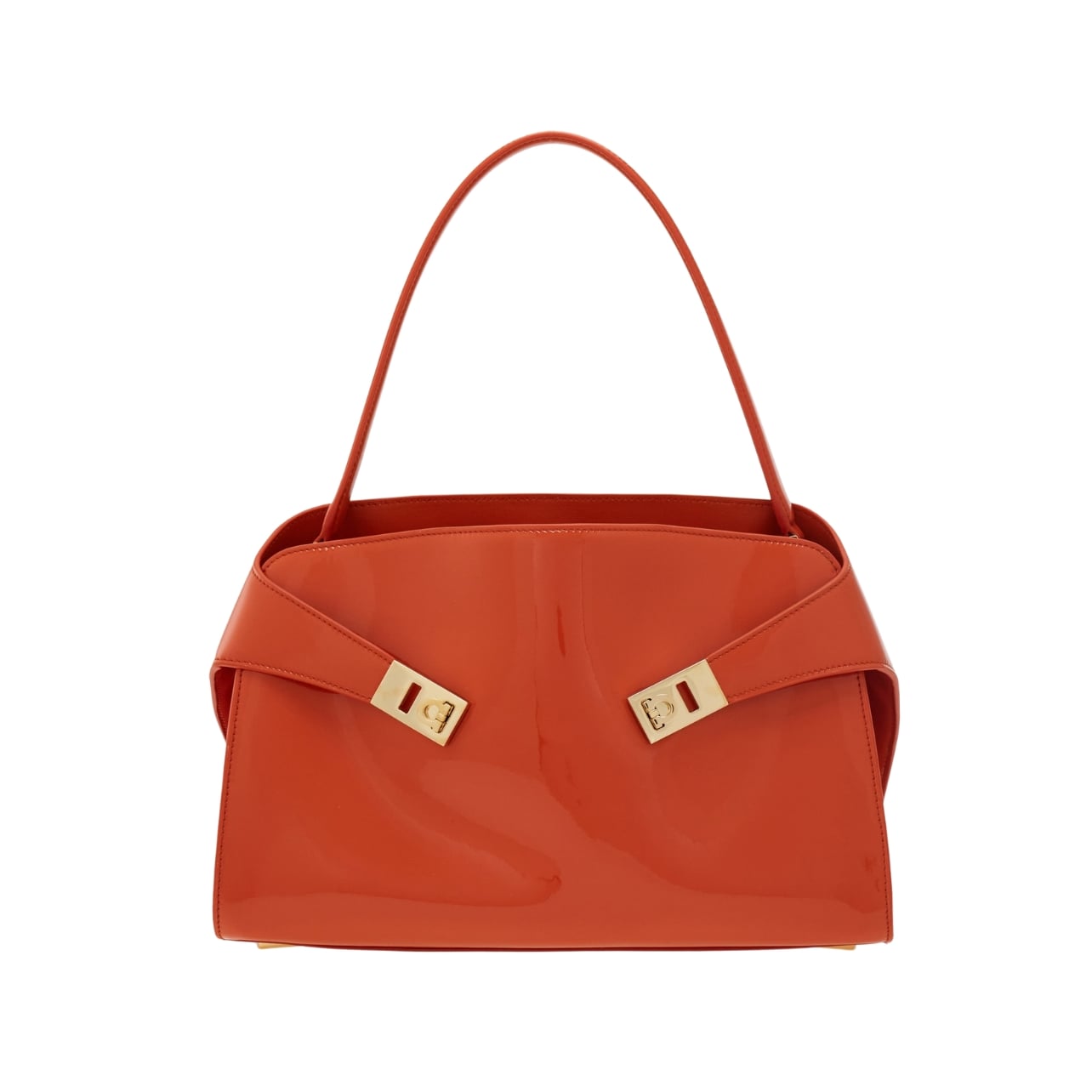
I am always thinking of what comes next, and we generally tend to work on two collections at once, alongside any special projects we may have. Throughout that process, I’m talking to my team and challenging ourselves to think of something new or ways to improve, but also something that connects our unique heritage to the needs and demands of the modern consumer. Everything moves so much quicker today, and I think it’s the job of any designer to be able to adapt quickly.
How do you protect creative intuition in an industry driven by speed, metrics, and immediate feedback?
I always have trust in myself and my instincts because it is how my family raised me. I believe in my own vision and experience, but I’m part of a team and a family that is still deeply connected to and involved with the brand. I would not be where I am today if it weren’t for my family, and they always taught me that if my intuition is there, and you remain grounded and confident, then success in everything else will follow.
What do you think fashion still does better than any other cultural medium—and where does it fall short?
Fashion is a direct form of self-expression. I have been fortunate enough to travel and see so many different parts of the world, and I pay close attention to what people wear or to see what has been created in history or culture. When I travel back to the Caribbean, I am always inspired by the ease and elegance of the way people dress; there is no rush to do anything. This element of fashion has always been more important to me than anything else creatively.
When someone looks back on your tenure at Ferragamo in ten years, what do you hope they’ll say changed?
I hope people feel that my time at Ferragamo marked a meaningful point of evolution, building on a unique foundation but expanding and modernizing it for the future, bringing together Ferragamo’s extraordinary Italian heritage with a new sense of sensuality and ease, and shaped by my own cultural references.