By Kat Herriman
No matter where winter adventures take you—from the beaches of Miami to the slopes of Utah—there’s an exhibition worth detouring for. First up, “When I Don’t Sleep, I Dream,” a major retrospective of Cuban-born artist Wilfredo Lam’s captivating paintings at New York’s Museum of Modern Art.
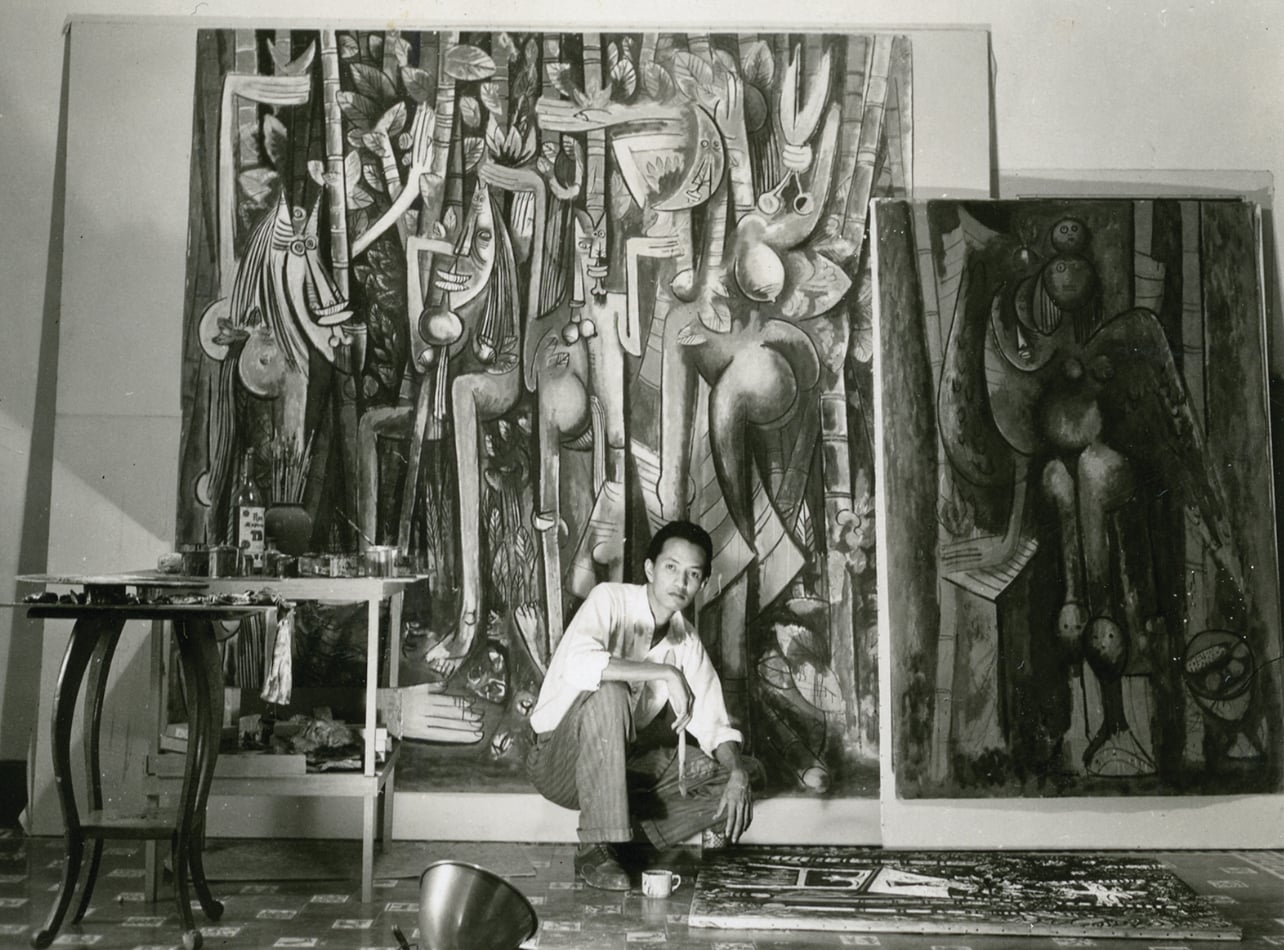
Wifredo Lam in his Havana studio, 1943, with La jungla (The Jungle), 1942–43, left; La mañana verde (The Green Morning), 1943, right; and on the floor, La silla (The Chair), 1943
MoMA, New York
The title of Wifredo Lam’s new exhibition at The Museum of Modern Art, “When I Don’t Sleep, I Dream,” reads like a manifesto. It reminds us that dreams aren’t passive, hazy states, but rather engines of change. To imagine is to act. Lam was one of those rare artists who could fuse vision with movement, transforming imagination into architecture, conjuring a modernism rooted not in Europe’s fantasies of cultural dominance of the Other, but in the psychic terrain of the colonized and displaced.
Born in Cuba to a Chinese father and a mother of African and Spanish descent, Lam carried the world inside him. His life zigzagged from Havana to Madrid and Paris, and back across the Atlantic—a circuit of exile and return that shaped both his politics and his poetics. The exhibition, organized by Christophe Cherix and Beverly Adams, honors that fluidity. Rather than tracing a tidy biography, it follows Lam’s transformations—how he bent Cubism to his will, folded Surrealism into Santería, and used painting to stage collisions between the truth of myth and the falsity of modernity.
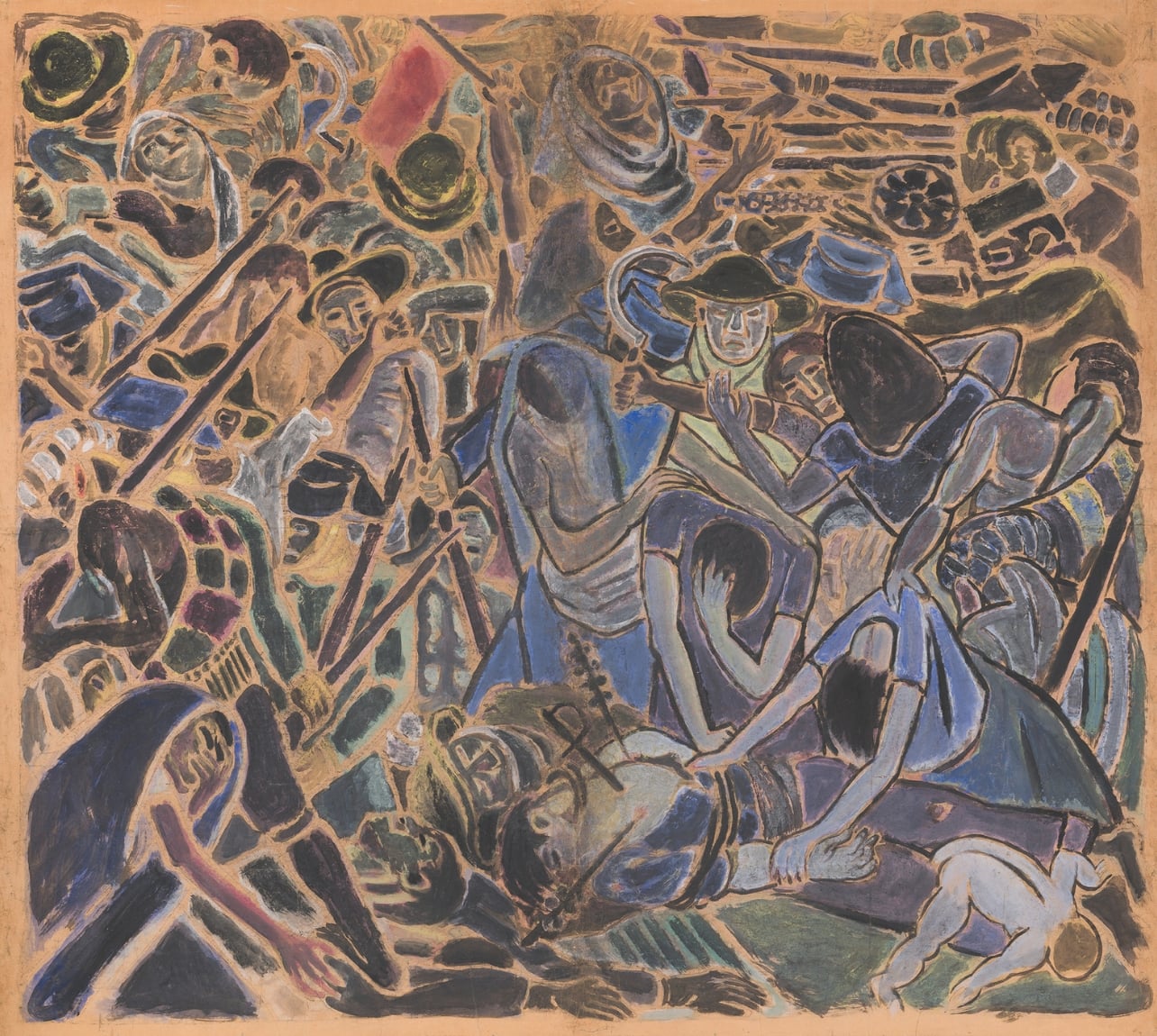
Lam’s La guerra civil (The Spanish Civil War), 1937
Where a 2016 Tate Modern retrospective charted Lam’s global influence and introduced him to many, MoMA’s iteration zooms in on Lam’s use of decolonization as a creative strategy. Lam once famously wrote: “My painting is an act of decolonization, not in a physical sense, but in a mental one.” Through more than 130 works—paintings, drawings, prints, and ceramics—the show reveals Lam’s contributions as both agitator and dreamer, a painter who turned hybrid identity into aesthetic resistance.
It reminds us that the term “decolonization” is not a recent phenomenon but a history of action. At the core of the show is The Jungle (1942–43), a MoMA icon seen anew. Long interpreted as a dreamscape, it now feels like an act of awakening—its tangle of limbs, sugarcane, and masks reanimating histories that modernism tried to forget. Through April 11, 2026; moma.org
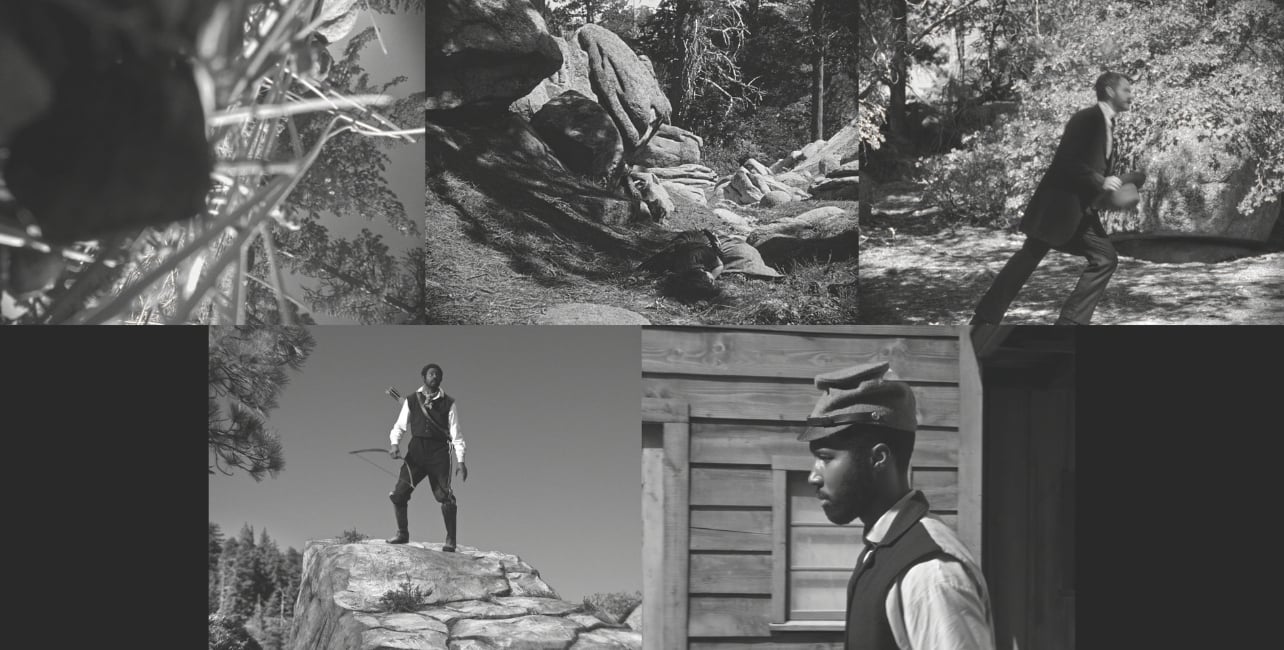
Stan Douglas’s Birth of a Nation (still), 2025, at “MONUMENTS”
MOCA, Los Angeles
The most anticipated show in Los Angeles this year—besides the Hammer’s 2025 biennial—”MONUMENTS” has been a long time coming. Co-organized by MOCA and The Brick, the exhibition gathers toppled Confederate statues and contemporary artworks into a single, combustible conversation about power, history, and who gets remembered. Organized with the wisdom of many voices including leading artist Kara Walker, the show is as much about what comes down as what endures. Through May 3, 2026; moca.org
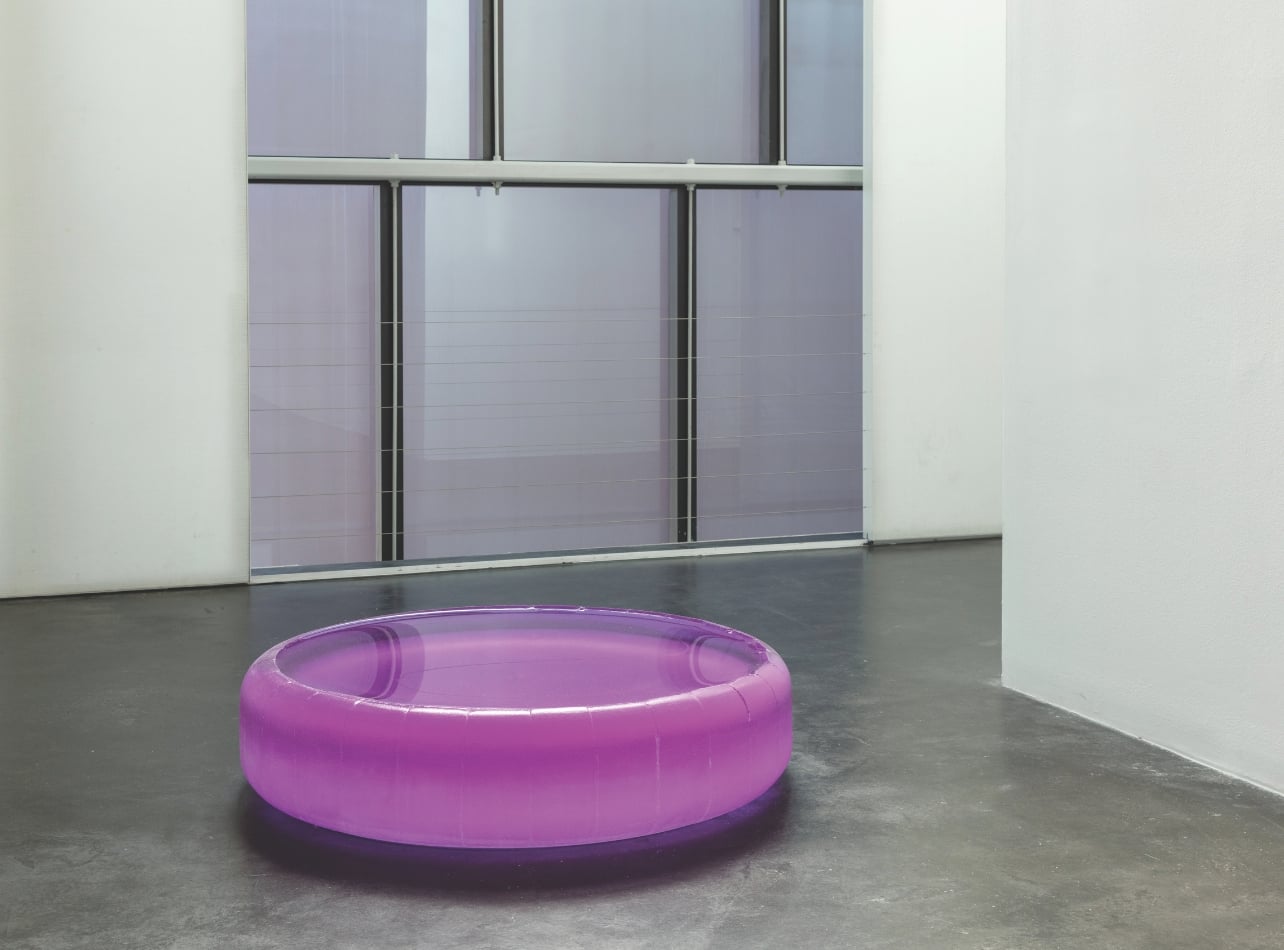
An installation view of Roni Horn’s “Water, Water on the Wall, You’re the Fairest of Them All”
MCA, Denver
Roni Horn’s polished glass sculptures, seen in “Roni Horn: Water, Water on the Wall, You’re the Fairest of Them All,” sit inside MCA Denver like oversized hard candies or tiny ice-skating rinks—gleaming planes that catch the city’s alpine light. Their surfaces shift with every passing cloud or visitor, turning perception into performance. Known for her lifelong dialogue with place, weather, and identity, Horn transforms minimal forms into emotional landscapes. In Denver, for her first show exclusively devoted to water, the New York–born artist’s luminous volumes take on the geological proportions they were always meant to. Through February 15, 2026; mcadenver.org
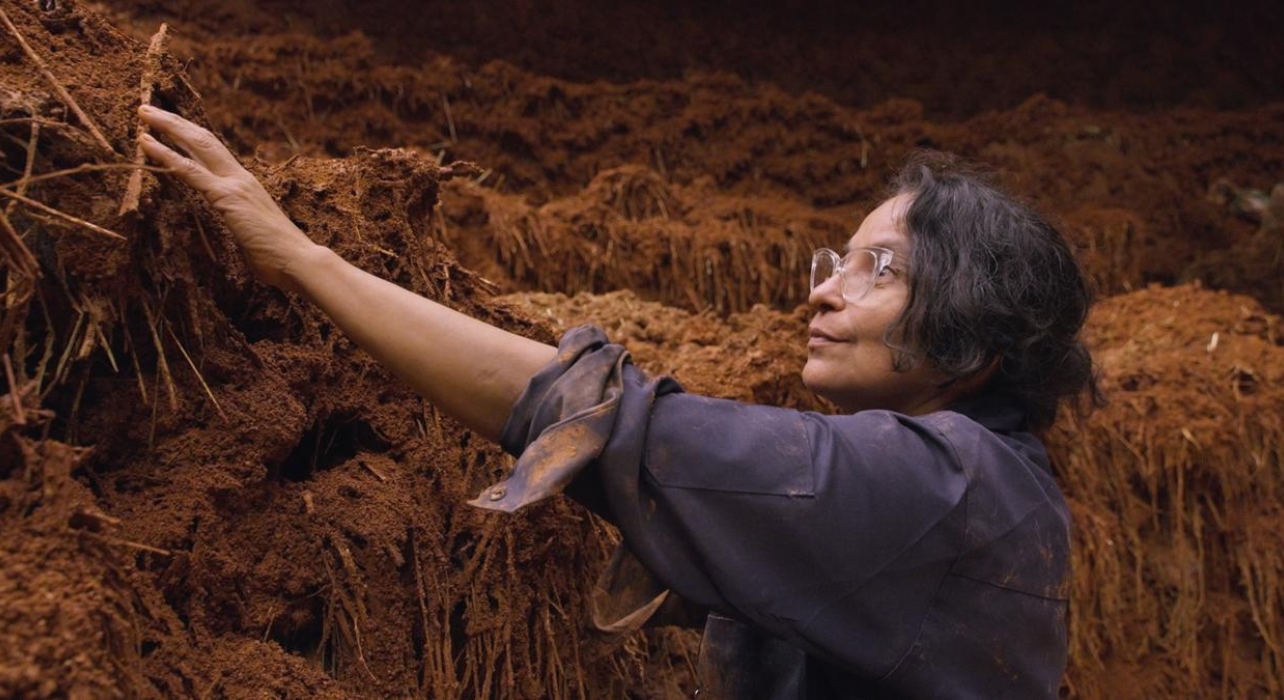
Artist Delcy Morelo’s solo show is on view at Mexico City’s Museo Universitario Arte Contemporáneo
MUAC, Mexico City
The smell of dirt engulfed you when you entered Delcy Morelos’s rapturous exhibition at Dia Art Foundation in New York—a show that turned packed soil into something spiritual, physical, and alive. For her upcoming presentation, “Delcy Morelos: El espacio vientre,” at the Museo Universitario Arte Contemporáneo (MUAC) in Mexico City, the Colombian artist once again turns to the earth as both subject and material. Drawing on Indigenous cosmologies and ritual practices, Morelos transforms architecture into a breathing organism—one that envelops visitors in a charged atmosphere of scent, texture, and reverence for the ground beneath us. Through June 28, 2026; muac.unam.mx
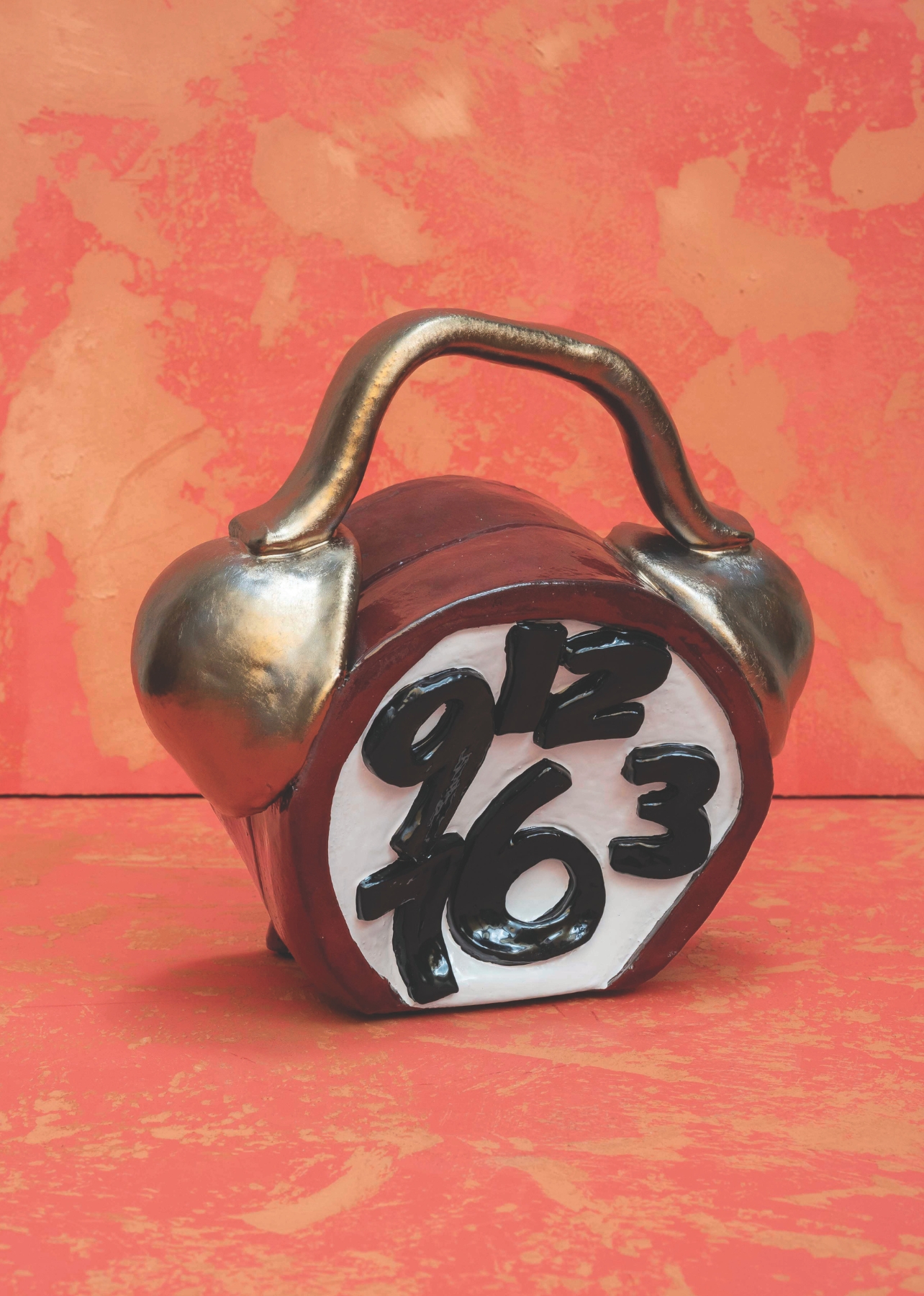
Woody De Othello’s Wake Up, 2025
PAMM, Miami
Born in Miami in the 1990s, the Bay Area–based artist Woody De Othello is celebrated for transforming everyday objects into tender, breathing surrogates of the self. His first major institutional exhibition at PAMM, “Woody De Othello: coming forth by day,” therefore feels like a fitting homecoming for an artist whose sensitivity to the spirit of materials was recognized early on by gallerist and resident bellwether Nina Johnson.
De Othello’s ceramic forms resonate on many frequencies at once; they nod to Miami’s tactile, improvisational spirit, where art often begins not in theory but in touch: clay, pigment, texture, and light. His work feels right at home in a place that prizes process as much as polish, and where the handmade still carries the charge of invention. Through June 28, 2026; pamm.org
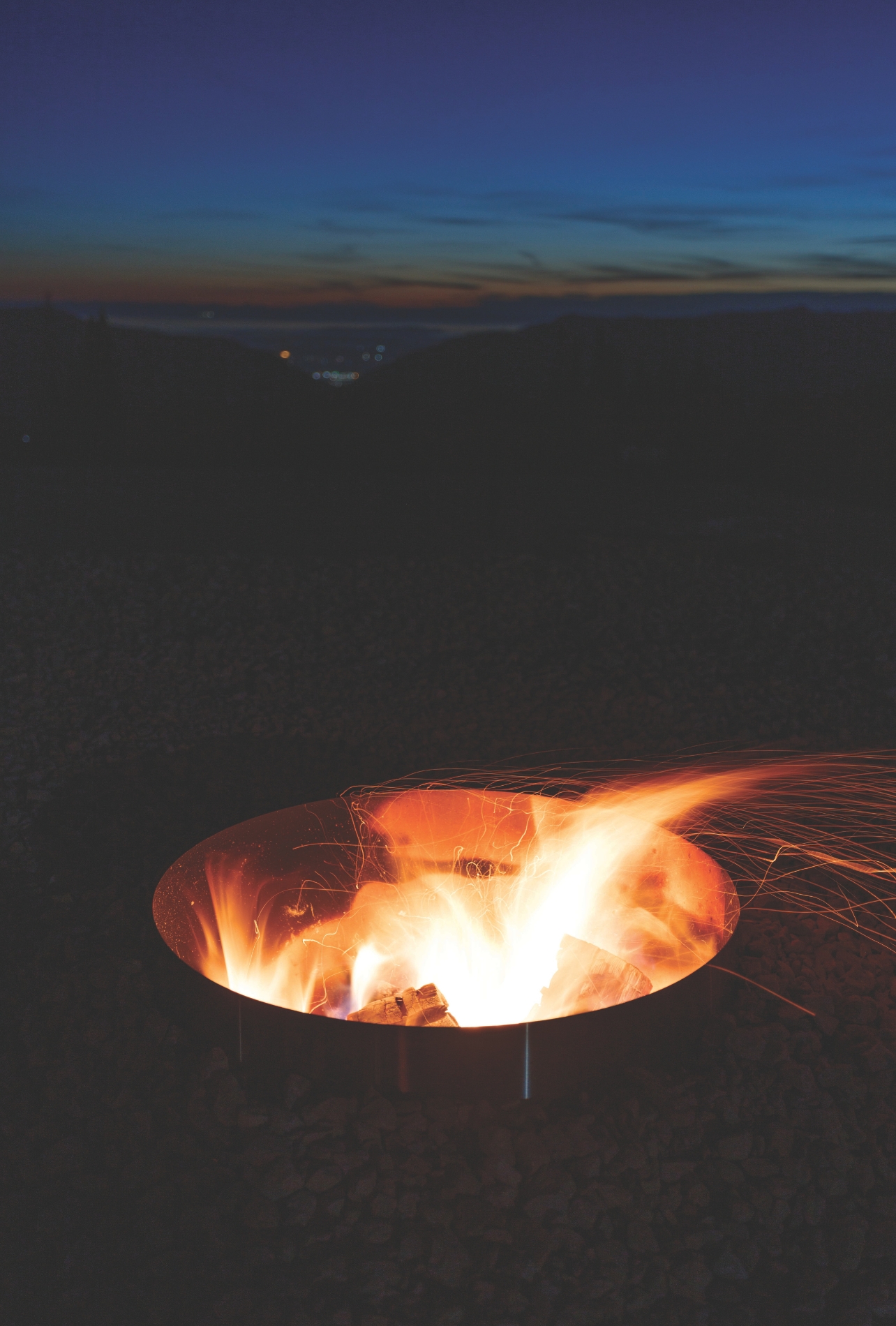
A detail from Nancy Holt’s Starfire, in situ at Powder Mountain, Utah
Powder Mountain, Utah
With aspirations to become the Storm King of the West, Powder Mountain (about an hour north of Salt Lake City) opens its winter season with a fresh dusting of ambitious new sculptures to view on the slopes, including a group of trees strung up with crystal chandeliers, a glamorous and uncanny installation conceived by New York artist Kayode Ojo; and a Big Dipper–shaped firepit, an exhumed work by the late Land Art iconoclast Nancy Holt. It’s truly a winter wonderland. Ongoing; powdermountain.com
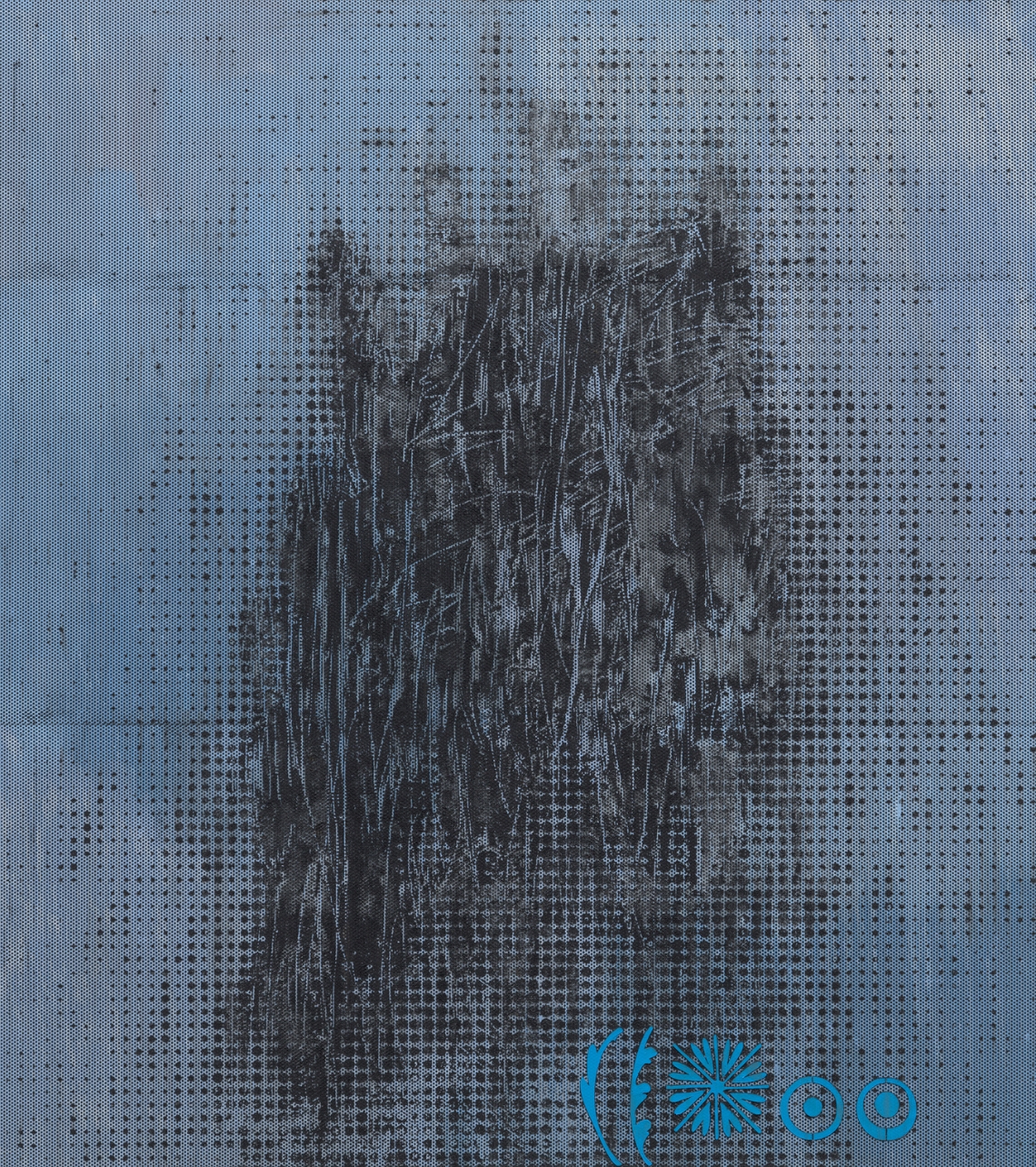
Jacqueline Humphries’ JH587, 2024
Aspen Art Museum, Aspen
Jacqueline Humphries has long pushed painting to keep pace with the screen, translating code, emoji, and glare into abstraction that hums with feedback. Her first major institutional outing in years lands, fittingly, in Aspen—a place where tech goes to unplug, though the current is never really allowed to cut out entirely. In a town defined by both retreat and relentlessness, Humphries’ considered paintings flicker between canvas and screen, rest and recursion, mirror and glitch. Through April 5, 2026; aspenartmuseum.org
Photos (from top): Courtesy of MoMA; Wifredo Lam, ADAGP, Paris/ARS, New York 2025; © Stan Douglas; Photo by Wes Magyar; Juan Manuel Romo Olmedo; photo by Phillip Maisel © Woody De Othello, courtesy the artist, Jessica Silverman, and Karma; Carlson Photography; Photo by Ron Amstutz