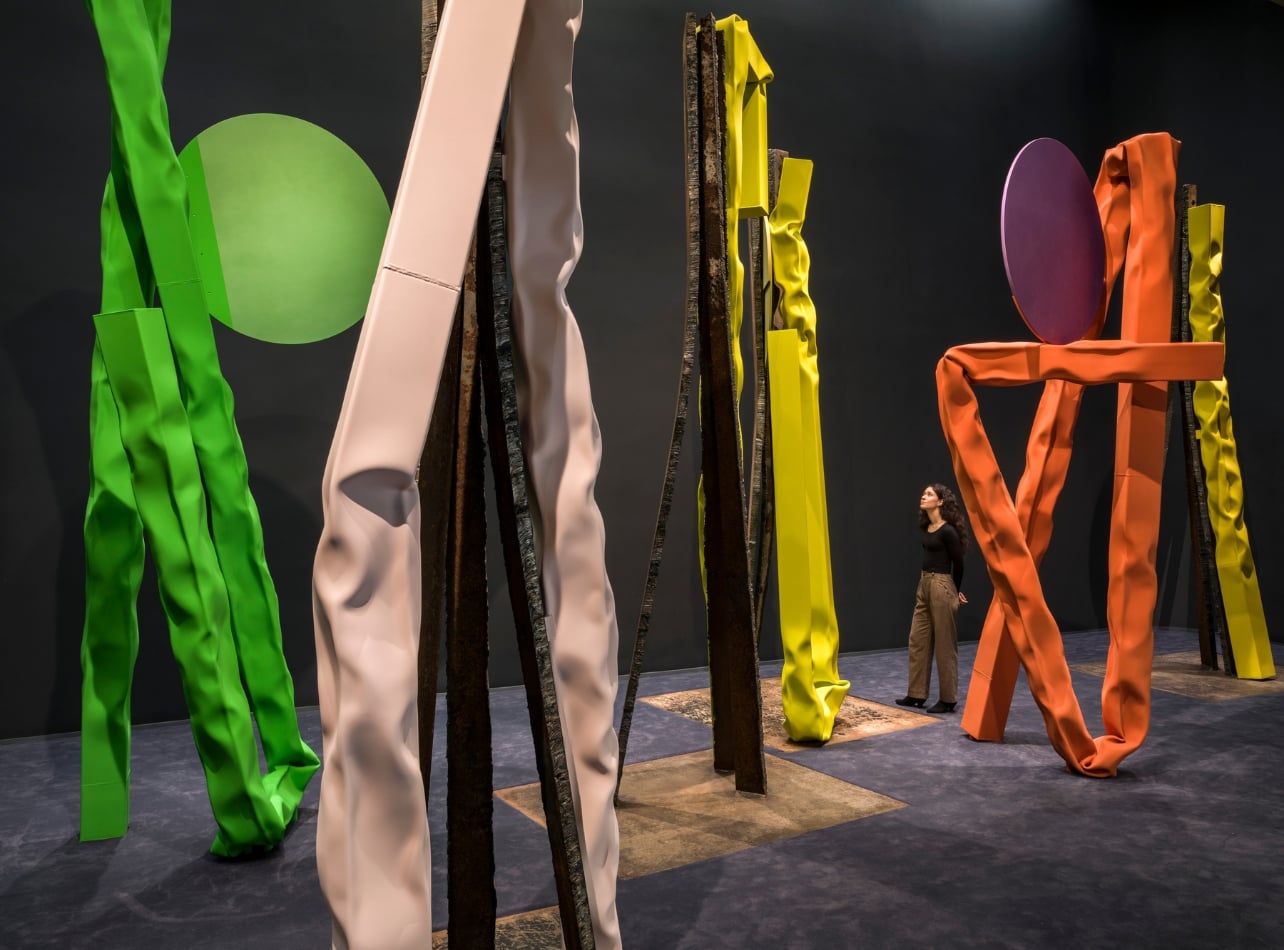
Installation view, “Carol Bove,” at New York’s Guggenheim; Photo by David Heald © Solomon R. Guggenheim Foundation, New York.
As winter thaws, cultural institutions across the country are mounting their marquee spring shows. In Downtown New York, all eyes are on the Whitney Biennial, in its 82nd year, widely considered the “national championships” of American art, and Uptown, Carol Bove takes over the Guggenheim with her epic sculptures. There’s also a complementary pairing of shows—one on stage at The Met, the other at MoMA—celebrating the artistic partnership of Frida Kahlo and Diego Rivera. We also preview In Miami and Los Angeles, two museums bring futbol into focus as the World Cup approaches this summer, while in Houston we turn our gaze to one of the most extraordinary American painters, Cy Twombly, at the Menil Drawing Institute. Read on to plan your art agenda this spring.
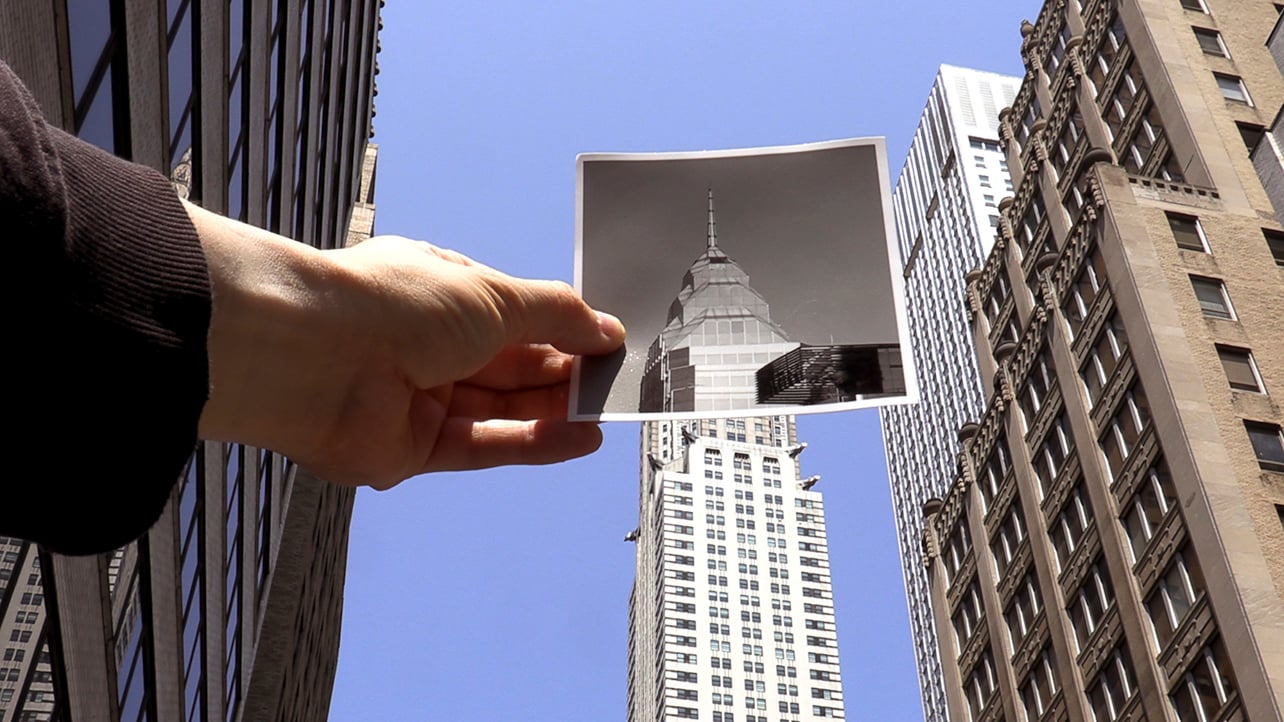
A still from “Sanhattan,” by Ignacio Gatica, on view at the Whitney Biennial. Courtesy of the artist.
Art in America
As the longest-running American-art survey, the Whitney Biennial is one of the most important barometers of contemporary art. Over the decades, it has launched the careers of artists and curators alike; for many it’s considered a rite of passage. For viewers in the know, those latent stakes are what make the exhibition so tantalizing to follow. If the Venice Biennale is the Olympics, the Whitney Biennial is the National Championships.
As a result, the show is widely covered by critics and closely watched by gallerists searching for the “winners” amid what sometimes amounts to a scorched-earth landscape of reviews. Polarizing though it may be, even the grumbling has become a kind of comforting ritual—one that feels stabilizing in a moment when nearly everything else seems up for grabs.
Nevertheless, the Biennial must still contend with the present. Each edition inevitably returns to the same enduring question: What does American art look like today?
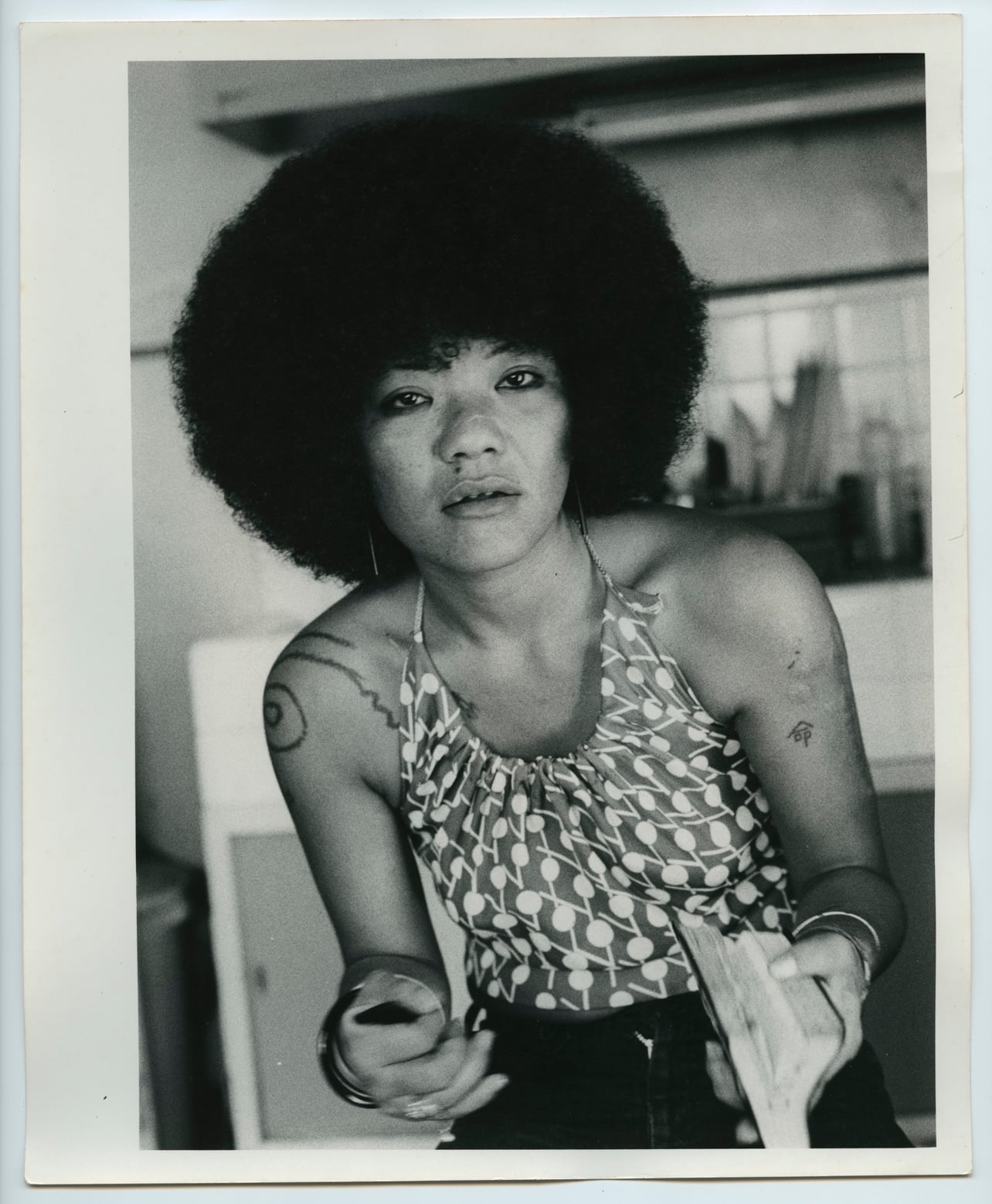
Mao Ishikawa, “Untitled,” from the series Akabanaa (Red Flowers), 1975-77; courtesy of POETIC SCAPE; photography by Mao Ishikawa.
This year’s curators, Marcela Guerrero and Drew Sawyer, were not too humble to admit that they had no idea what 2026 would look like. They didn’t try to find evidence to fit a hypothesis or their own expertise. They devoted themselves to going on the road and seeing art everywhere they could. As they met with artists and attended exhibitions—the legwork of a biennial—they allowed the conversations they were having to shape the exhibition as a whole. The result? A year in art in the US.
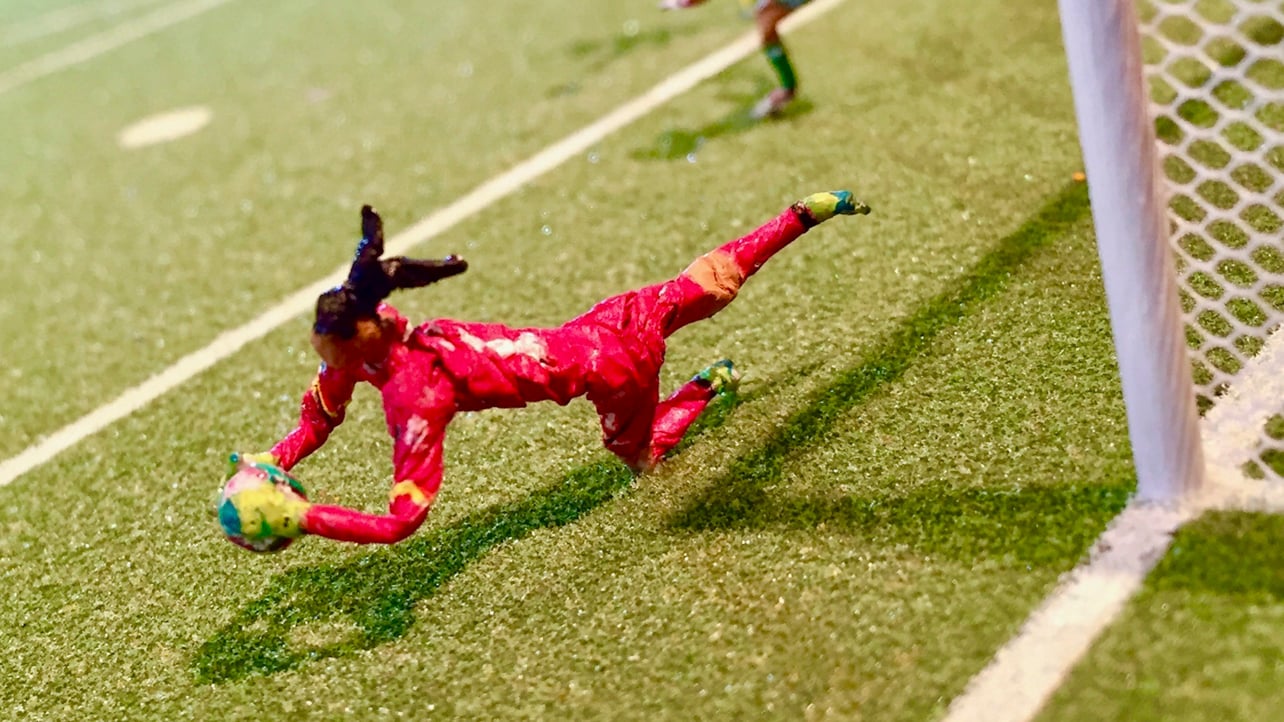
Lyndon J. Barrois, Sr., “U.S. goalkeeper Hope Solo dives for a decisive save against Australia,” 2015, detail of “Fútballet,” 2018; courtesy of the artist.
The Art World Joins the Team
Rarely does the art world play ball, but with the 2026 FIFA World Cup landing in the US, museums are stepping onto the field. At LACMA in Los Angeles, “Fútbol Is Life: Animated Sportraits” (February 15 through July 12) by artist Lyndon J. Barrois, Sr., transforms iconic soccer moments into handcrafted mini sculptures and stop-motion animations that become almost like devotional objects.
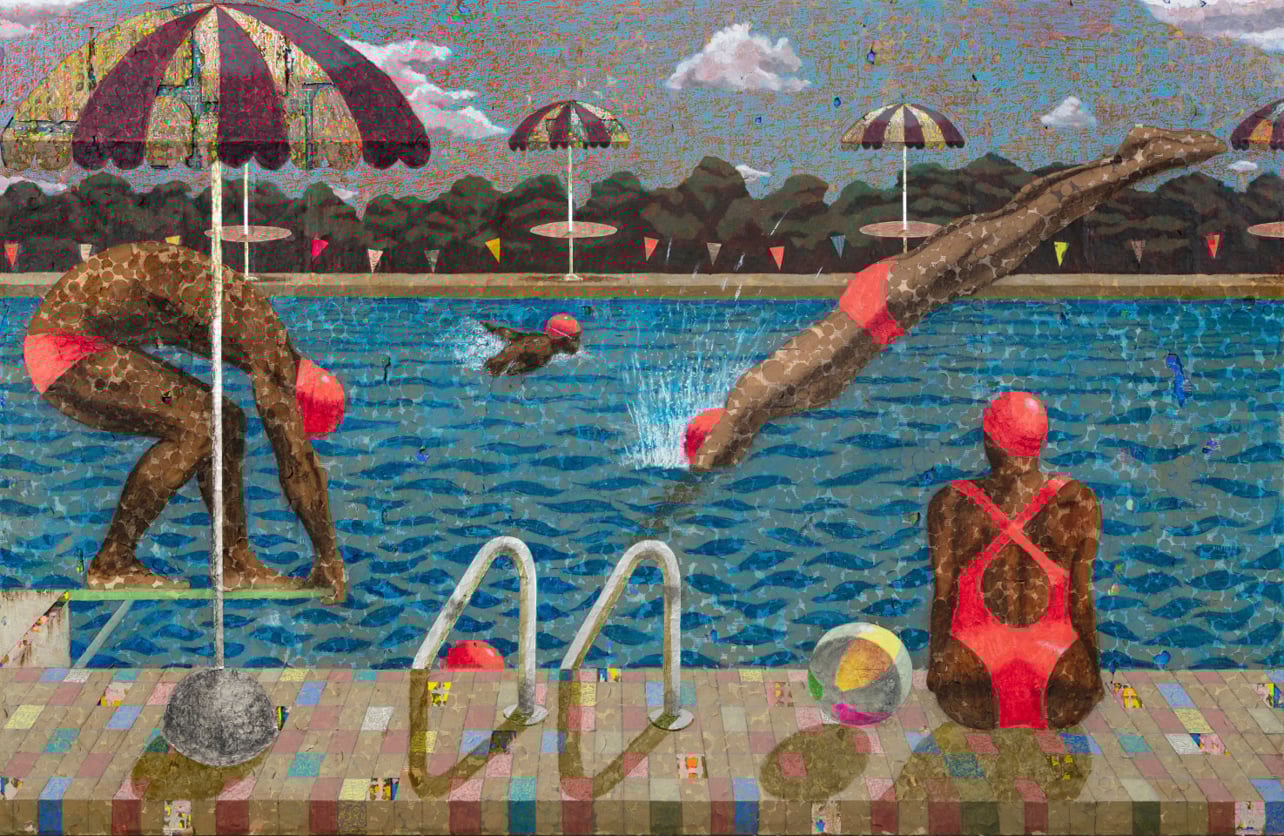
“Open Swim,” by Derek Fordjour, 2021, on view at PAMM; photo by Daniel Greer; courtesy David Kordansky Gallery.
Meanwhile, the Pérez Art Museum Miami presents “Get in the Game: Sports, Art, Culture” (through August 23), an ambitious group exhibition exploring athletic performance, from neighborhood basketball to historic World Cup moments, through the eyes of contemporary artists like Philippe Parreno and Hank Willis Thomas. Both exhibitions tap into the soft cultural power of sport: the way it unites people from different places and backgrounds, even in these fractured times.
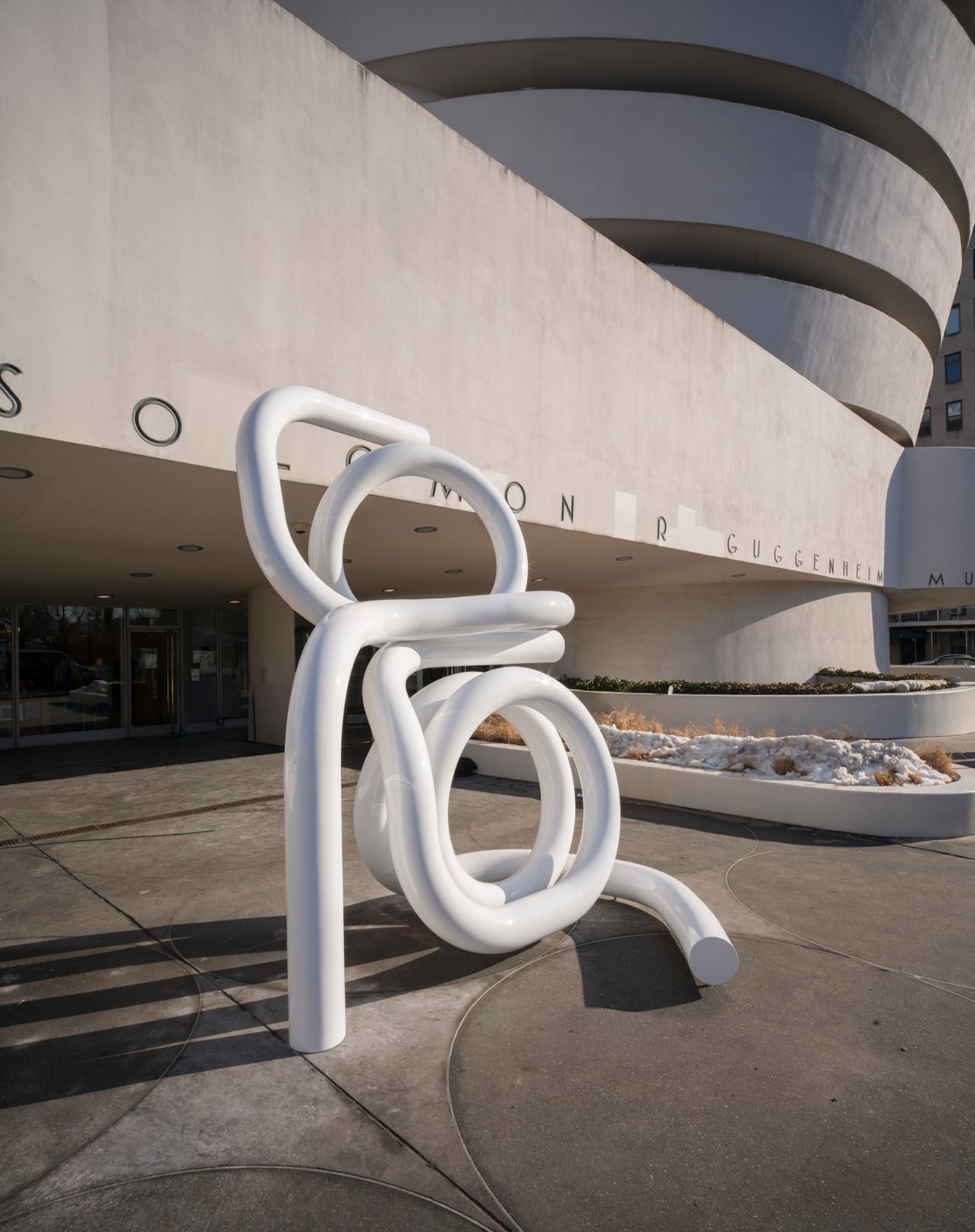
One of Carol Bove’s sculptures outside New York’s Guggenheim; Photo by David Heald © Solomon R. Guggenheim Foundation, New York.
Play Her Game
Artist Carol Bove’s space in Brooklyn’s Red Hook neighborhood has become a place of legend—if only as the birthplace of her most recent sculptures, which arrive so immaculately fabricated it can feel almost impossible that human hands were involved in their creation. Her powder-coated ribbons of steel defy our preconceptions of the material as unforgiving, translating the fluid shapes of digital renderings into heavy, resolutely physical bodies.
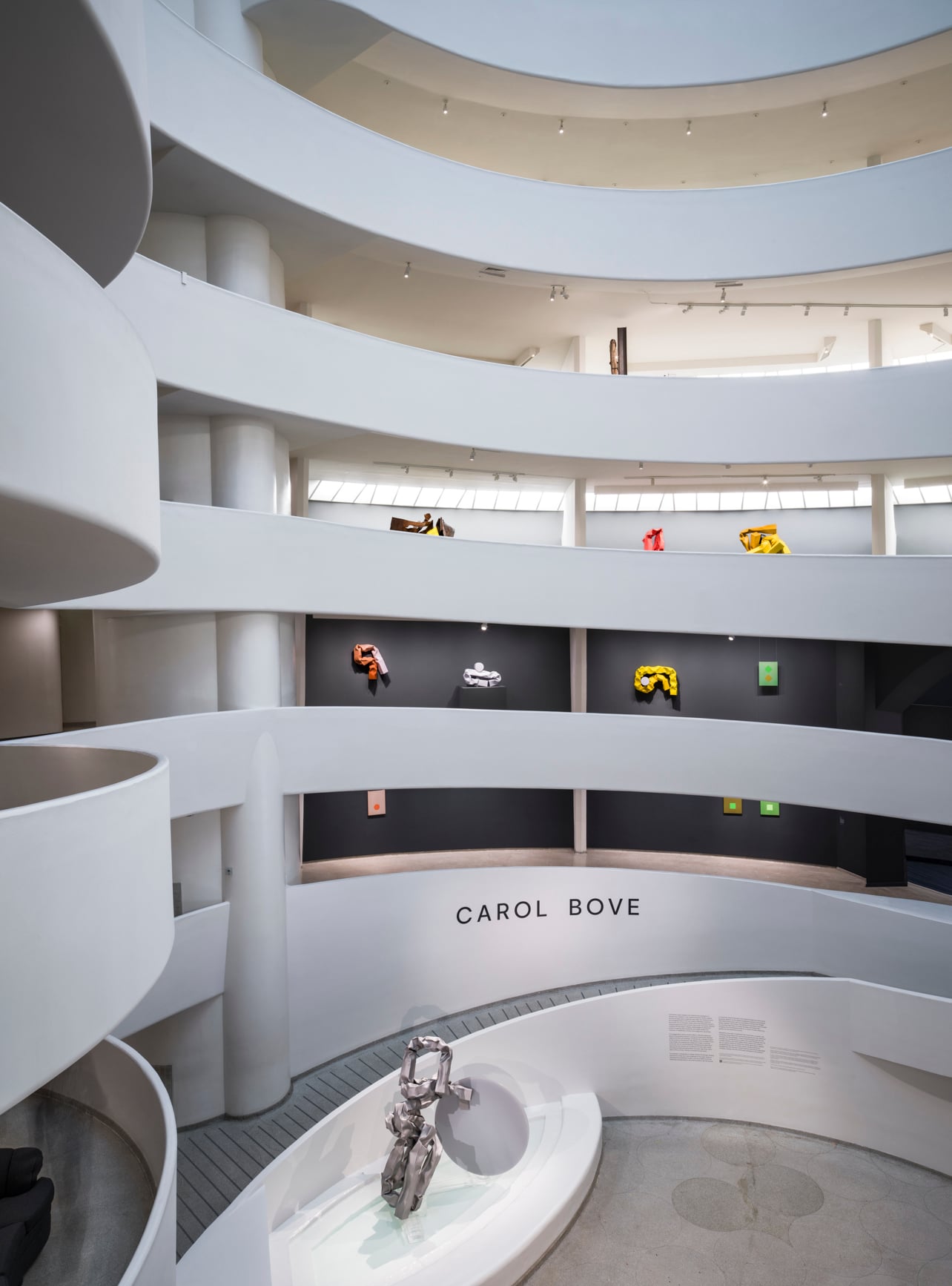
Installation view from “Carol Bove,” at New York’s Guggenheim; Photo by David Heald © Solomon R. Guggenheim Foundation, New York.
A welcome reversal, but then, Bove has always been ahead of the zeitgeist. In the early aughts, Bove first gained recognition for her sculptural shelves—carefully arranged groupings of objects presented as discrete works—that responded to our impulse to organize, collect, and continually rearrange what we own, while subtly poking fun at the preciousness of earlier minimalist displays. These concerns return at a new scale this March at the Guggenheim’s “Carol Bove,” the artist’s first museum survey and the largest presentation of her work to date. It is rumored to include interactive elements; be prepared to play along.
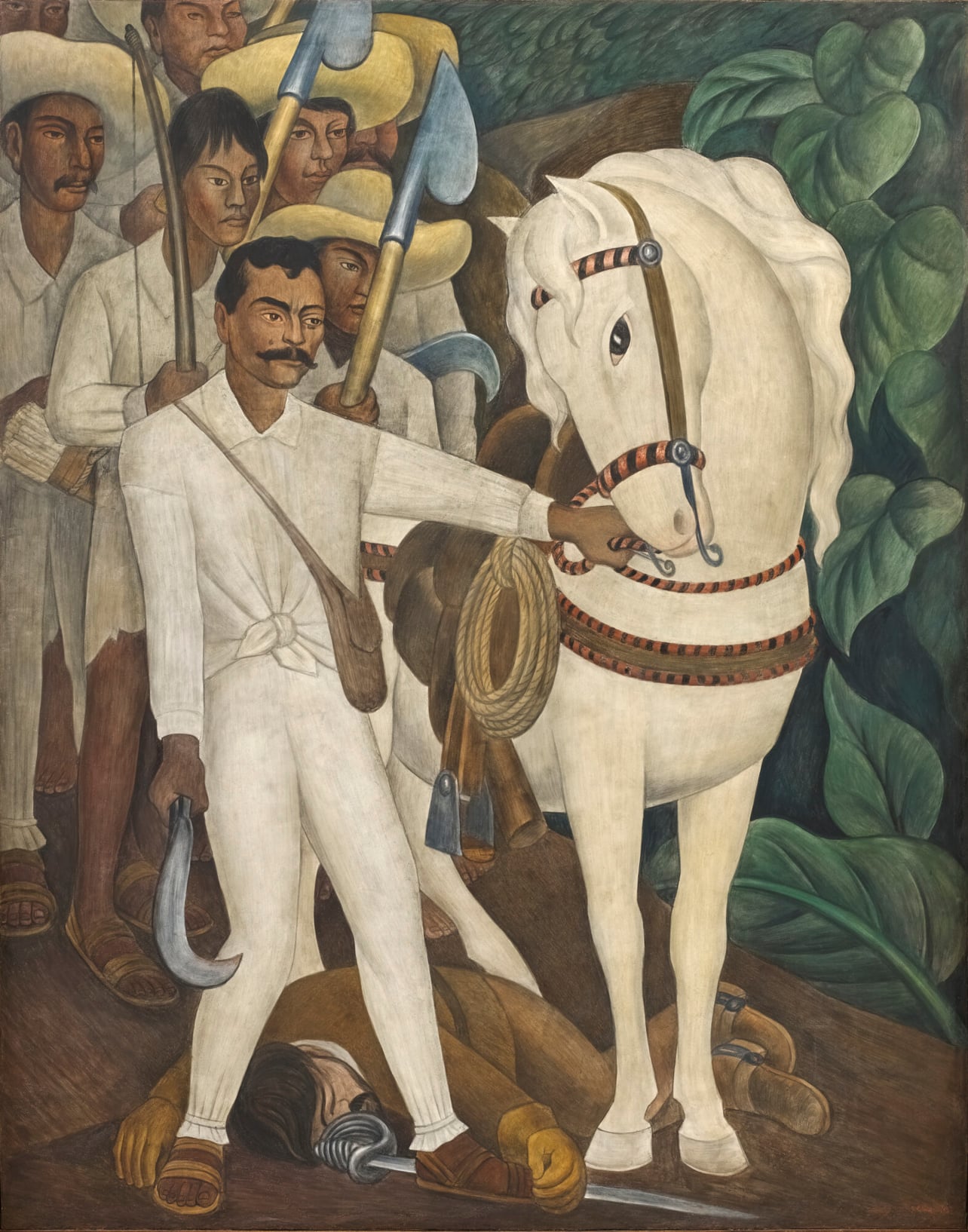
Diego Rivera. “Agrarian Leader Zapata,” 1931. Photo by John Wronn; 2025 Banco de México Diego Rivera Frida Kahlo Museums Trust. Mexico, D.F./Artists Rights Society (ARS), New York.
Frida and Diego Do New York
Frida Kahlo and Diego Rivera live in the cultural imagination as lovers and collaborators, but their story is far messier than legend sometimes suggests. This spring, to more deeply explore Kahlo and Rivera’s artistic partnership, the Metropolitan Opera and the Museum of Modern Art will stage a cross-medium conversation.
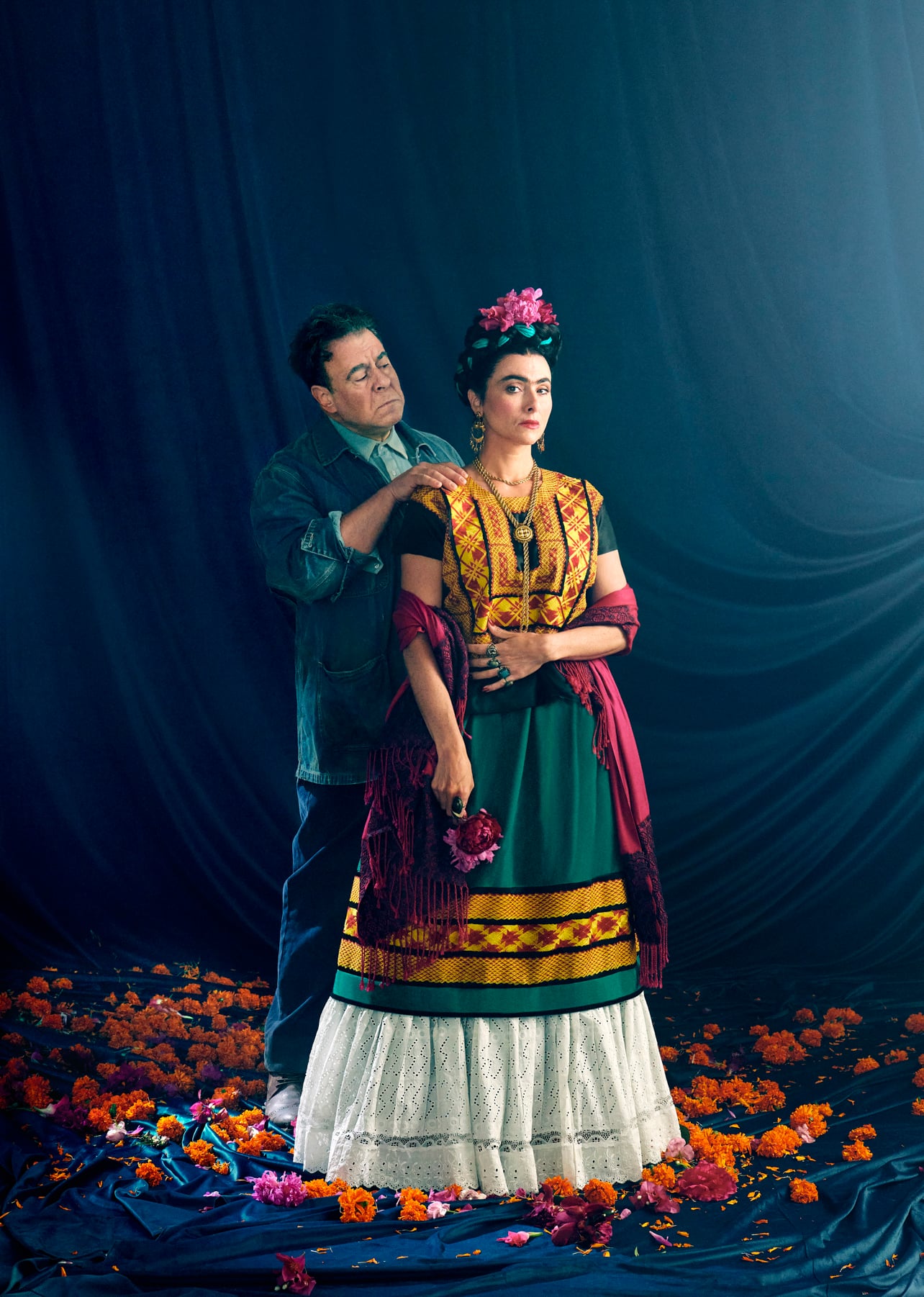
Opera singers Carlos Álvarez as Diego Rivera and Isabel Leonard as Frida Kahlo in “El Último Sueño de Frida y Diego.” Photo by Zenith Richards, courtesy of Met Opera.
At the Met, El Último Sueño de Frida y Diego reimagines the iconic couple’s bond through music, myth, and magical realism. In turn, MoMA’s “Frida and Diego: The Last Dream” assembles works by both artists in an immersive installation shaped by the opera’s themes. Together, they reveal a couple constantly in dialogue—artists who challenged, inspired, and reinvented each other in life, and continue to do so today.
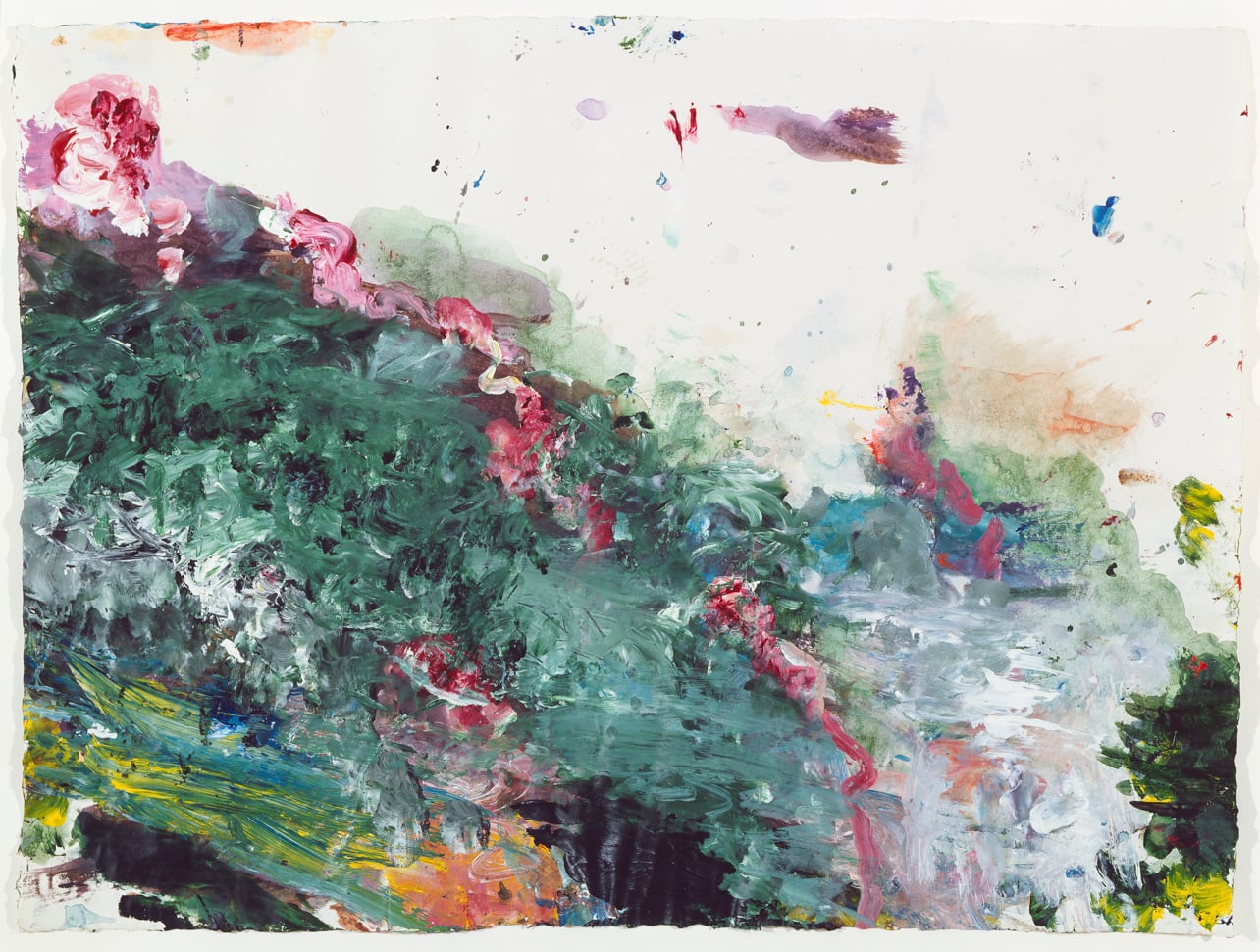
Cy Twombly’s “Untitled,” 1986, at The Menil Drawing Institute; courtesy Cy Twombly Foundation.
Cy Twombly’s Next Chapter
Cy Twombly, the enigmatic American painter known for his scribbles, myth-laden imagery, and poetic gestures, carved out a singular place in 20th century art. Larry Gagosian’s longtime favoritism cemented a cult following for the work that has only grown. Now the Cy Twombly Foundation is ready to expand Twombly’s lore, making bold moves with major gifts and a rumored New York outpost. One standout gesture—a gift of 121 drawings—has inspired “The Gift of Drawing: Cy Twombly” (through August 9) at The Menil Drawing Institute this spring, revealing works that have never been exhibited in the US.